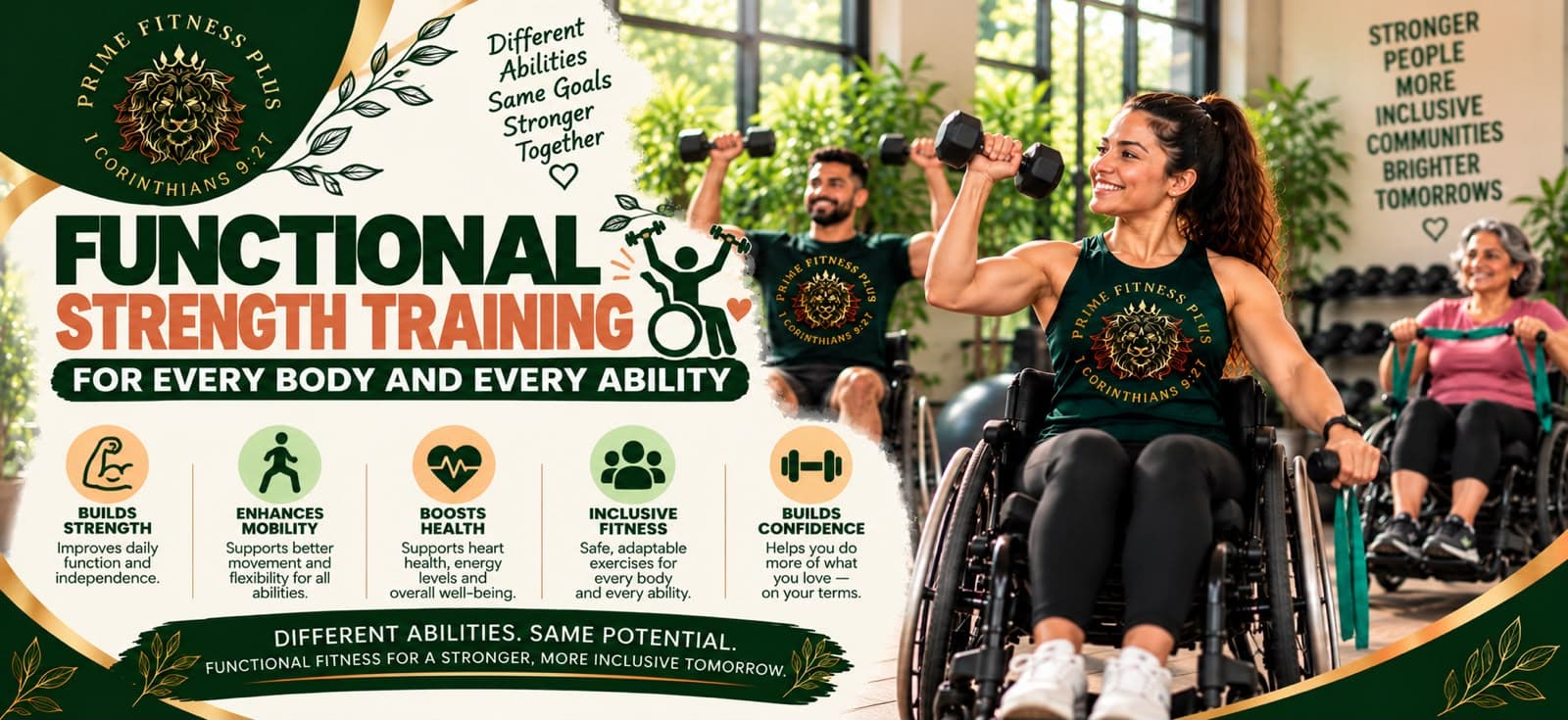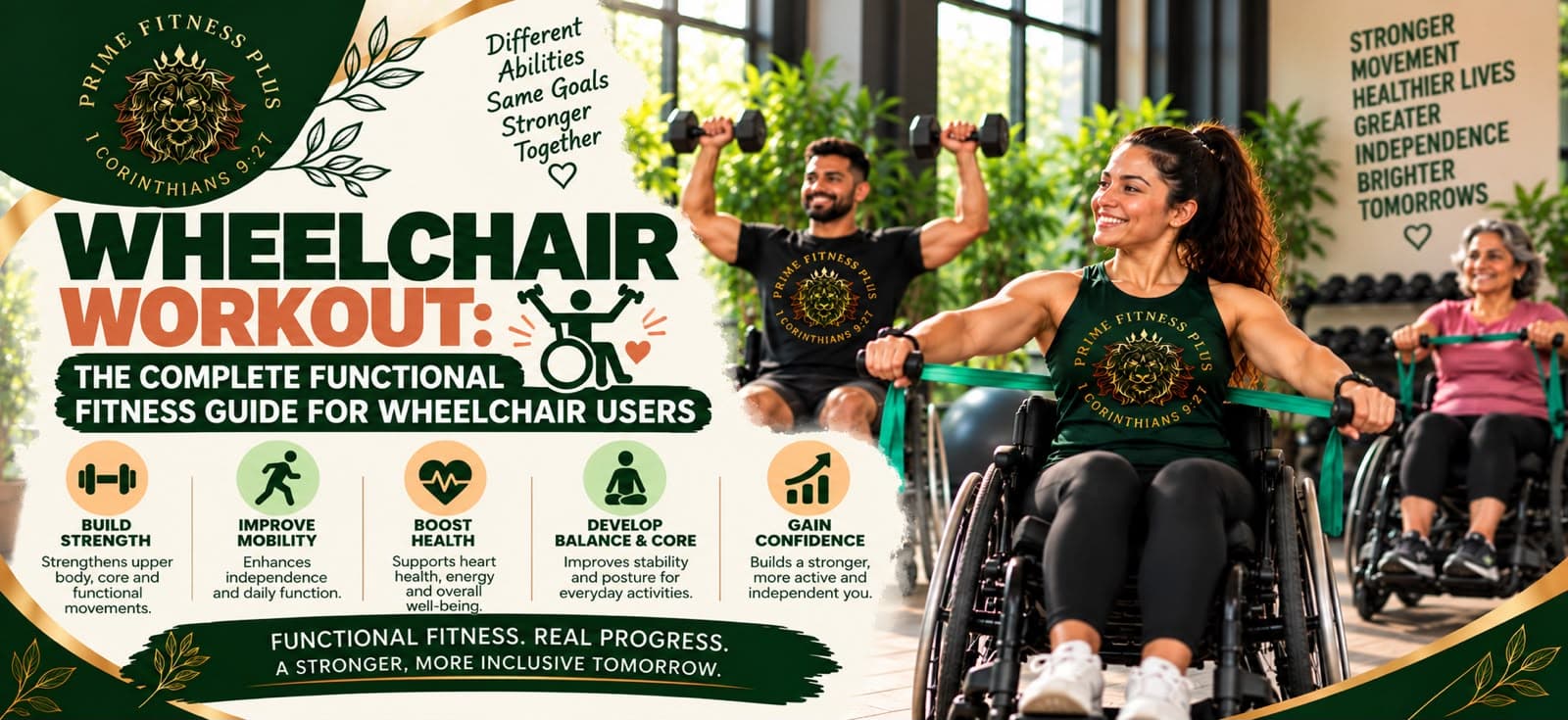
Staying active is important for everyone, and a Wheelchair Workout can help wheelchair users build strength, improve mobility, and support overall health. Living with a wheelchair does not mean giving up on fitness. With the right exercises and a consistent routine, you can improve everyday movement, boost confidence, and make daily tasks easier. Whether you use a wheelchair full-time or part-time, this guide explains safe, practical ways to exercise at home or in a fitness centre, with a focus on functional movement that supports daily life.
Many people believe wheelchair users have limited exercise options. That is simply not true. Functional fitness focuses on movements that help with reaching, pushing, lifting, transferring, and maintaining balance. These movements are far more useful in daily life than simply lifting heavy weights or spending long hours in the gym.
What Is a Wheelchair Workout?
A wheelchair workout is a structured fitness routine designed for people who use manual or power wheelchairs. It focuses on improving upper-body strength, core stability, flexibility, joint mobility, and cardiovascular health.
These workouts can be performed using:
- Resistance bands
- Dumbbells
- Medicine balls
- Cable machines
- Body weight
- Household items like water bottles
The goal is to improve movement, reduce muscle stiffness, and help people carry out everyday activities with greater comfort and independence.
Why Functional Fitness Matters in a Wheelchair Workout
Functional fitness prepares your body for the movements you perform every day, rather than focusing solely on appearance.
For wheelchair users, this includes:
- Pushing the wheelchair comfortably
- Moving between the wheelchair and bed
- Picking up objects safely
- Reaching overhead
- Carrying groceries
- Sitting with better balance
- Reducing shoulder strain during daily movement
A regular functional routine also supports a well-balanced Adaptive Exercise Program tailored to individual abilities and daily needs.
These movements help promote greater independence and may reduce the risk of overuse injuries.
Benefits of a Regular Wheelchair Workout
Builds Upper Body Strength
The shoulders, arms, chest, and back perform much of the daily work for wheelchair users. Building strength helps these muscles manage daily activities with less fatigue.
Better upper-body strength can support:
- Wheelchair propulsion
- Transfers
- Carrying objects
- Opening heavy doors
- Lifting shopping bags
Regular Wheelchair Strength Training also helps improve endurance for everyday activities.
Improves Core Stability
Many people think that core exercises target only the abdominal muscles.
Your core also includes muscles in the lower back, sides, and pelvis. A stronger core supports better sitting posture, improves balance, and makes reaching or transferring safer.
Good core strength may also reduce back discomfort caused by prolonged sitting.
Supports Heart Health
Cardiovascular activity keeps the heart and lungs active and improves stamina.
Examples include:
- Arm cycling
- Fast wheelchair pushing
- Boxing movements
- Resistance band circuits
- A Seated Workout that keeps the arms moving continuously
Regular cardio sessions promote healthy blood circulation and improve endurance.
Maintains Joint Mobility
The shoulders, wrists, elbows, and neck are engaged continuously during wheelchair use.
Gentle mobility exercises help maintain comfortable movement and reduce stiffness.
Daily stretching may also improve posture and reduce muscle tightness.
Helps Manage Weight
Regular physical activity burns calories and helps preserve muscle mass.
When combined with balanced nutrition, regular exercise can support healthy weight management.
Supports Mental Well-Being
Exercising often helps people feel more energetic and positive.
Many wheelchair users say that regular physical activity improves confidence and reduces everyday stress.
Before Starting a Wheelchair Workout
Before starting any exercise routine, consult your healthcare provider or physical therapist, especially if you have:
- Recent surgery
- Pressure sores
- Shoulder pain
- Heart conditions
- Spinal cord injury
- Multiple medical conditions
Start slowly and gradually increase workout intensity over time.
Stop exercising immediately if you experience:
- Sharp pain
- Dizziness
- Chest discomfort
- Difficulty breathing
- Severe fatigue
Listening to your body is one of the most important aspects of staying active safely.
Warm-Up Exercises
A proper warm-up prepares the muscles and joints for exercise.
Spend about five to ten minutes doing gentle movements.
Shoulder Rolls
Roll your shoulders forward and backwards.
Repeat ten times.
Neck Mobility
Slowly move your head:
- Left
- Right
- Up
- Down
Avoid sudden movements.
Wrist Circles
Rotate both wrists in each direction.
Repeat for about thirty seconds.
Arm Swings
Move both arms forward and backwards at a comfortable pace.
Deep Breathing
Take slow breaths as you raise your arms.
Lower them while breathing out.
Repeat several times.
Best Strength Exercises for a Wheelchair Workout
Strength training helps improve independence in everyday activities by building stronger muscles throughout the upper body.
Seated Shoulder Press
Hold dumbbells or resistance bands.
Push upward above your head, then lower slowly.
Repetitions:
8–12
Bicep Curls
Keep your elbows close to your sides.
Lift the weight towards your shoulders before lowering it slowly.
Repetitions:
10–15
Triceps Extensions
Raise one dumbbell overhead.
Lower it behind your head before you extend your arm again.
Strong triceps aid transfers and wheelchair propulsion.
This movement is commonly included in Wheelchair Strength Training routines because it improves pushing power.
Chest Press
Using resistance bands or a cable machine:
Push forward from chest level.
Return slowly while keeping your movements under control.
Seated Row
Pull resistance bands toward your body.
Squeeze your shoulder blades together, then return to the starting position.
This exercise improves posture and strengthens the upper back.
It also fits well into a Chair Workout at home with minimal equipment.
Lateral Raises
Raise both arms to shoulder height.
Lower them slowly and under control.
Use light weights to prevent unnecessary shoulder strain.
Front Raises
Lift both arms straight in front of your body to shoulder height.
Lower them slowly while maintaining proper posture.
This movement strengthens the shoulders and supports many daily reaching tasks.
Adding these exercises to your weekly routine builds a strong foundation before progressing to cardio and flexibility training. They also work well as part of a comprehensive Wheelchair Exercise routine designed for beginners and experienced exercisers alike.
Core Exercises
Strong core muscles support balance, posture, and improved control during everyday movements. These exercises can be added to your weekly routine after your strength session.
Seated Knee Lifts
If your mobility allows, slowly raise one knee at a time while keeping your upper body steady.
Repeat 10–15 times on each side.
Seated Twists
Hold a medicine ball or simply clasp your hands.
Rotate gently from one side to the other while keeping your movements steady.
Repeat 12–15 times.
Lean and Return
Lean slightly forward while keeping your back straight.
Return to an upright sitting position by engaging your abdominal muscles rather than swinging your body.
Repeat 10–12 times.
Side Bends
Reach one hand towards the floor while bending sideways.
Return to the starting position, then repeat on the opposite side.
Complete 10 repetitions on each side.
Wheelchair Cardio Exercises for Better Endurance
Cardiovascular training improves stamina, heart health, and circulation. Adding these activities to your weekly routine can make everyday tasks feel less tiring over time.
Wheelchair Push Intervals
Push your wheelchair at a comfortable pace for one minute.
Speed up for 30 seconds before returning to a moderate pace.
Repeat for several rounds.
Shadow Boxing
Throw controlled punches while remaining seated.
Mix different movements such as:
- Jabs
- Hooks
- Uppercuts
Maintain steady breathing throughout the session.
Arm Cycling
Use an upper-body cycle machine if one is available.
Maintain a comfortable pace for 15–30 minutes.
Resistance Band Cardio Circuit
Alternate pulling and pressing movements with very little rest between each exercise.
This keeps your heart rate up while strengthening your upper body at the same time.
These Wheelchair Cardio Exercises are suitable for beginners as well as for those with prior fitness experience. They can also be combined with a Seated Workout to create a balanced weekly routine.
Flexibility Exercises
Stretching after exercise helps maintain comfortable movement and may reduce muscle tightness.
Hold each stretch for 20–30 seconds without bouncing.
Focus on stretching the:
- Chest
- Shoulders
- Neck
- Triceps
- Wrists
- Upper back
Gentle stretching can also help you recover after completing Wheelchair Cardio Exercises or strength training.
Beginner Wheelchair Workout Routine
This beginner routine takes about 30 minutes and can be done at home or in a fitness centre.
Warm-Up (5 Minutes)
- Shoulder rolls
- Arm swings
- Neck stretches
- Wrist circles
Strength Circuit
- Shoulder Press × 10
- Bicep Curl × 12
- Chest Press × 10
- Seated Row × 12
- Lateral Raise × 10
Complete two rounds.
Rest for one minute between rounds.
Core Circuit
- Seated Twists × 15
- Side Bends × 12
- Lean and Return × 12
Cardio Session
Perform shadow boxing or wheelchair pushing for 10 minutes.
Cool Down
Finish with stretching and slow, controlled breathing.
This routine also works well as a beginner-friendly Wheelchair Exercise plan because it combines strength, mobility, flexibility, and cardiovascular activity in one session.
Intermediate Workout Progression
After several weeks of regular exercise, you may gradually increase the intensity.
You can progress by:
- Completing three rounds instead of two
- Using slightly heavier resistance
- Extending your cardio sessions
- Taking shorter rest periods
Increase difficulty gradually while maintaining proper form in every movement.
Common Workout Mistakes
Many beginners make minor mistakes that may slow their progress.
Common examples include:
- Skipping warm-ups
- Choosing weights that are too heavy
- Moving too quickly
- Ignoring shoulder discomfort
- Sitting with poor posture
- Not taking enough recovery time
Making steady progress over time is far better than trying to do too much at once.
Equipment That Can Help
You do not need expensive equipment to stay active.
Many exercises can be completed using:
- Resistance bands
- Light dumbbells
- Medicine balls
- Stability cushions
- Cable machines
- Exercise mats
- Grip trainers
Even household items such as water bottles can be used in many exercises.
Home Workouts vs. Gym Workouts
Both options have their own advantages.
Home Workouts
- Convenient schedule
- No travel required
- Comfortable surroundings
- Lower cost
Gym Workouts
- Greater equipment variety
- Professional guidance
- Accessible fitness classes
- Opportunity to exercise with others
Choose the option that aligns with your goals, lifestyle, and available resources.
Nutrition for Active Wheelchair Users
Exercise works best when combined with balanced nutrition.
Aim to include:
- Lean protein
- Fruits
- Vegetables
- Whole grains
- Healthy fats
- Plenty of water
Eating balanced meals after exercise supports muscle recovery and daily energy levels.
Staying Consistent
Many people start exercising with enthusiasm but find it hard to continue.
Simple habits can help you stay on track:
- Schedule your workout days.
- Keep your sessions realistic.
- Record your progress.
- Celebrate small improvements.
- Exercise with a friend or trainer whenever possible.
- Choose activities you genuinely enjoy.
Following an Adaptive Exercise Program can also help you stay motivated by offering a structured routine tailored to your abilities and long-term goals.
Consistency over time yields better results than occasional intense workouts.
When to Seek Professional Support
Working with a certified adaptive fitness trainer or a physical therapist may be helpful if you:
- Are completely new to exercise
- Have limited shoulder mobility
- Are recovering from surgery
- Have balance concerns
- Want a structured fitness plan
Professional guidance can help you exercise safely as you work toward your personal goals.
Final Words
A Wheelchair Workout is about much more than exercise. It supports strength, mobility, heart health, posture, and greater independence in everyday life. You do not need expensive equipment or complicated routines to stay active. Starting with simple movements, staying consistent, and progressing at a comfortable pace can make a meaningful difference over time. Whether your goal is better endurance, stronger muscles, or improved daily function, a well-planned routine can help you move with greater confidence and support your long-term health.