Starting an exercise routine can feel challenging, especially if standing workouts, jumping, or long sessions are uncomfortable. A 10-Minute Seated Cardio Workout for Beginners offers a simple way to get moving. You can perform the exercises while seated in a sturdy chair, making this routine suitable for beginners, people with limited mobility, wheelchair users, or anyone looking for a short movement break.
Seated cardio involves repeated arm, leg, and upper-body movements that can raise your breathing and heart rate without running or jumping. The goal is to move at a comfortable pace and gradually build a regular exercise habit.
This guide explains how to prepare for a short seated workout and how to follow a simple 10-minute routine.
What Is a 10 Minute Seated Cardio Workout for Beginners?
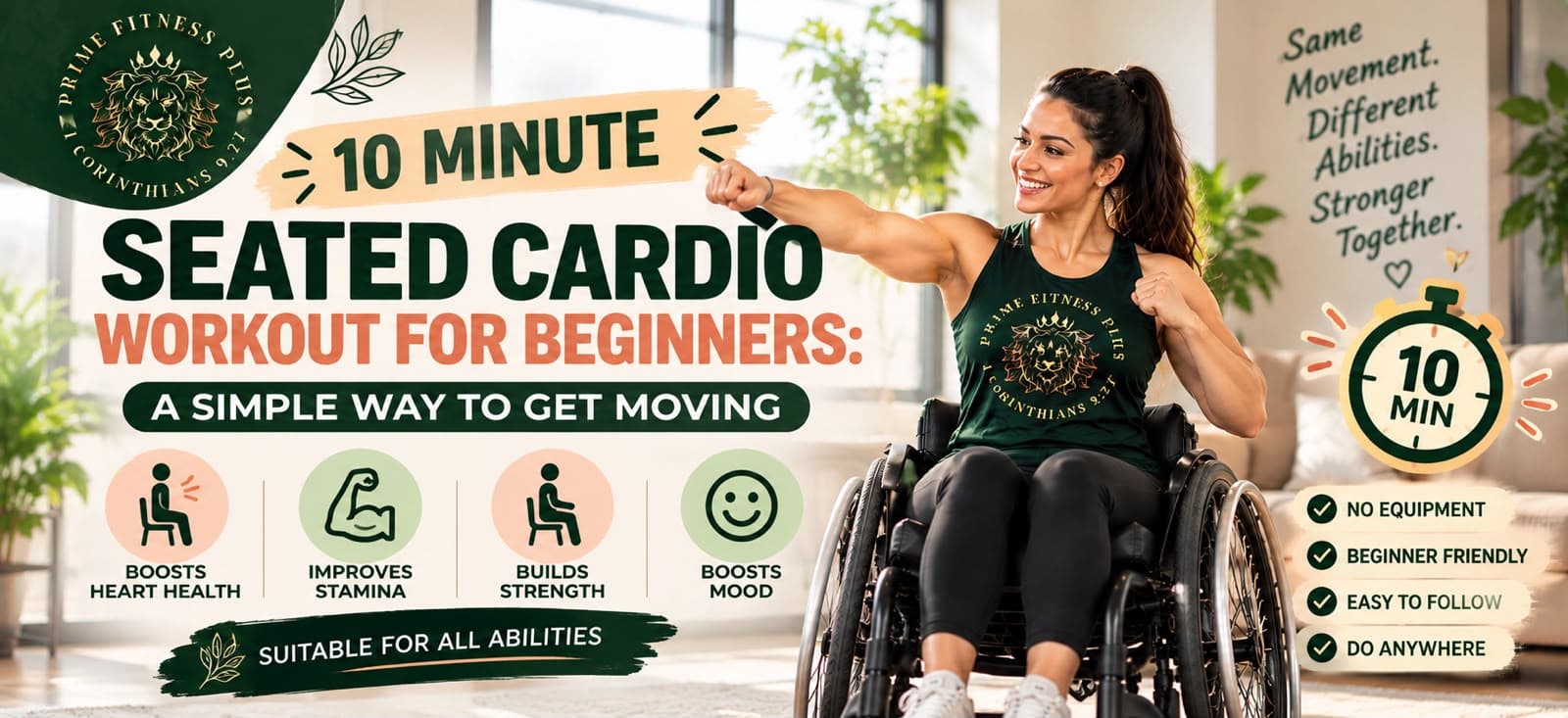
A 10-minute seated cardio workout for Beginners is a short exercise session performed primarily while seated.
Common exercises include:
- Seated marches
- Arm reaches
- Seated punches
- Knee lifts
- Toe taps
- Heel lifts
- Seated twists
- Side reaches
These movements can be performed slowly or at a faster pace, depending on your comfort level. The goal is not to complete as many repetitions as possible. Instead, focus on steady movement and good control.
For beginners, a 10-minute session can feel more manageable than a long workout. It can also fit easily into different parts of the day, such as the morning, a work break, or the afternoon.
Why Try a 10 Minute Seated Cardio Workout for Beginners?
Many people associate cardio with running, cycling, or high-impact exercise. However, repeated seated movements can also help you stay physically active for longer.
A chair-based cardio workout can be a practical option for people who want to start exercising without complicated equipment or a large workout space.
Here are a few reasons seated cardio can be a good starting point.
Beginner-Friendly Movement
You do not need prior exercise experience to start with basic seated exercises. Most movements can be performed slowly as you become comfortable with the routine.
Minimal Equipment
A sturdy chair is usually sufficient. Wear comfortable clothing that lets you move freely.
Suitable for Small Spaces
You do not need a gym or a large exercise area. A clear space around your chair can be enough for many exercises.
You Control the Pace
You can slow down, take a break, or reduce your range of motion whenever needed. As you get more comfortable, you can gradually increase your pace.
How to Prepare for a 10 Minute Seated Cardio Workout for Beginners
Before starting, choose a sturdy chair that does not roll or slide easily. A stable chair is generally preferable to a wheeled office chair.
Sit comfortably, keeping your feet supported whenever possible. If you use a wheelchair, ensure it is secure before moving.
Clear the area around you so your arms and legs have enough room to move freely.
Keep these points in mind:
- Sit tall without forcing your posture.
- Move within a comfortable range.
- Breathe naturally throughout the workout.
- Start slowly if you are new to exercise.
- Stop if you experience pain, dizziness, or other concerning symptoms.
If you have a medical condition, a recent injury, or questions about which exercises are suitable for you, consult a qualified healthcare professional before starting a new exercise routine.
10-Minute Seated Cardio Routine for Beginners
This routine includes 10 simple movements. Perform each exercise for about a minute. You can slow down or take short breaks as needed.
Minute 1: Seated March
Sit comfortably, lift one knee, lower it, then lift the other. Continue alternating as if you are marching.
You do not need to lift your knees very high. If needed, start with small movements.
If comfortable, add gentle arm swings.
Minute 2: Alternating Arm Reaches
Reach your right arm forward, then bring it back. Then repeat with your left arm.
You can reach at shoulder height or lower, depending on your comfort and shoulder mobility. Keep the movement controlled and avoid forcing your arms beyond a comfortable range.
Minute 3: Seated Toe Taps
Place your feet comfortably on the floor.
Lift the front of one foot while keeping your heel near the floor, then lower it. Alternate feet.
As you become more comfortable, you can gradually increase your pace.
Minute 4: Seated Punches
Bring your hands in front of your chest. Extend one arm forward, return to the starting position, then repeat with the other arm.
Keep your shoulders relaxed and avoid locking your elbows.
Simple wheelchair cardio exercises, such as seated punches and arm reaches, may also be useful for people who want to focus on upper-body movement while seated.
Minute 5: Seated Knee Lifts With Opposite Arm
Lift your right knee while moving your left arm forward. Return to the starting position, then switch sides.
If coordinating your arms and legs feels difficult, perform alternating knee lifts without the arm movement.
Start with the version that feels easiest to control.
Minute 6: Seated Side Reaches
Gently reach your right arm to the right side and return to the centre. Repeat on the left side.
You can add a small upper-body movement if comfortable, but avoid leaning so far that you feel unsteady.
Continue moving smoothly from side to side.
Minute 7: Heel Lifts
Keep both feet on the floor.
Lift your heels while keeping your toes on the ground, then lower them. You can lift both heels together or alternate between feet.
If comfortable, add gentle arm movements.
Minute 8: Seated Twists
Sit upright with your feet supported.
Gently rotate your upper body to the right, return to the centre, and then rotate to the left.
Keep the movement comfortable and avoid forcing a deep twist.
Minute 9: Seated March With Arm Movement
Return to the seated march and add gentle arm swings or alternating arm reaches.
For example, lift your right knee while moving your left arm forward, then switch to the other side.
If this combination feels difficult, continue with either the leg or the arm movement separately.
Minute 10: Slow March and Cool Down
Gradually slow your pace during the final minute.
Continue with a gentle seated march, then let your arms and legs relax. Breathe slowly and comfortably.
You can finish with gentle shoulder rolls if they feel comfortable.
How Hard Should a Beginner Seated Cardio Workout Feel?
A beginner workout does not need to leave you exhausted.
Try to move at a pace where your breathing becomes more active, but you still feel reasonably comfortable. You should be able to slow down or pause as needed.
Your starting point may differ from someone else's. One person may move continuously for 10 minutes, while another may need several short breaks.
You can begin with:
- 30 seconds of movement followed by rest
- Smaller arm or leg movements
- A slower pace
- Fewer repetitions
- Five minutes of exercise and gradually add more time
The goal is to start with a routine that feels manageable and repeat it regularly.
Seated Cardio and Adaptive Exercise Options
Seated exercises can be adjusted based on a person's mobility, strength, and available range of motion. Adaptive cardio exercises may include various versions of reaching, arm and leg movements, and seated combinations.
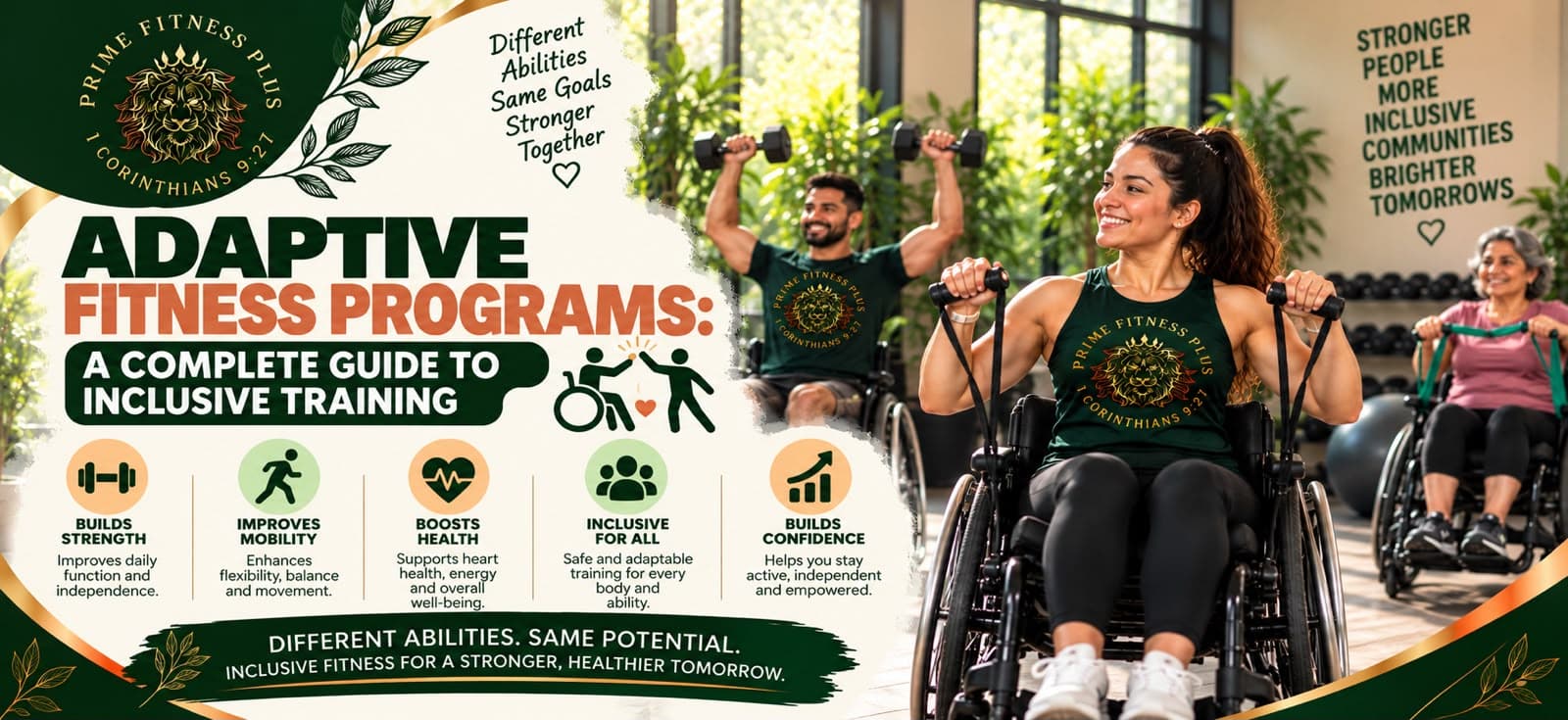
For people who use wheelchairs, exercise may focus on movements that can be performed safely from the wheelchair. A structured wheelchair exercise program may also include a combination of cardio, mobility, and strength exercises tailored to individual abilities.
Functional fitness for wheelchair users can include exercises that support strength, mobility, and everyday physical activities. A qualified fitness professional can help select exercises appropriate for an individual's needs and movement abilities.
Who Can Benefit From Seated Cardio?
Seated cardio may be useful for many people, including:
- Beginners starting an exercise routine
- Older adults looking for chair-based movement
- People returning to exercise after inactivity
- Office workers who spend long periods sitting
- People with limited standing tolerance
- Individuals looking for short movement breaks
- People seeking accessible exercise options
A chair cardio workout can also be adjusted by changing the speed, duration, or range of motion for each movement.
However, not every exercise suits everyone. Mobility, injuries, medical conditions, and physical limitations can affect which movements are suitable.
Common Mistakes to Avoid
When starting seated cardio, keep the routine simple.
Avoid moving too fast before you are ready. Start slowly and gradually increase your pace as you become comfortable.
Do not ignore sharp pain or unusual discomfort. Exercise can be challenging, but pain should not be pushed through.
Try not to hold your breath while focusing on a movement. Breathe naturally throughout the session.
Also, use a stable chair and avoid comparing your starting point with anyone else's. Your workout should match your current comfort and ability.
Making Seated Cardio Part of Your Routine
A short workout can be easier to continue when you connect it with an existing part of your day.
You might exercise:
- After your morning coffee
- During a work break
- Before lunch
- After spending a long time sitting
- At the same time each day
You can also divide the routine into shorter sessions. For example, five minutes in the morning and five minutes later in the day can help you add more movement without completing the full routine at once.
Small, regular sessions can be a practical starting point for building a consistent exercise habit.
Final Words
A 10-minute seated cardio workout for beginners can be a practical way to add more movement to your day without requiring a gym, complicated equipment, or advanced exercise experience.
Begin with simple movements such as seated marching, arm reaches, toe taps, knee lifts, punches, and gentle twists. Move at a comfortable pace and take breaks as needed.
Whether you are new to exercise, returning after a break, or seeking accessible movement options, a short seated workout can be a simple place to start. Start with what feels manageable and gradually build your routine over time.