Fitness should be accessible to everyone. A workout plan should not be limited by age, injury, disability, mobility issues, or medical conditions. Everyone deserves access to movement, strength training, and better physical health. This is why adaptive fitness programs are becoming an important part of modern wellness and rehabilitation.
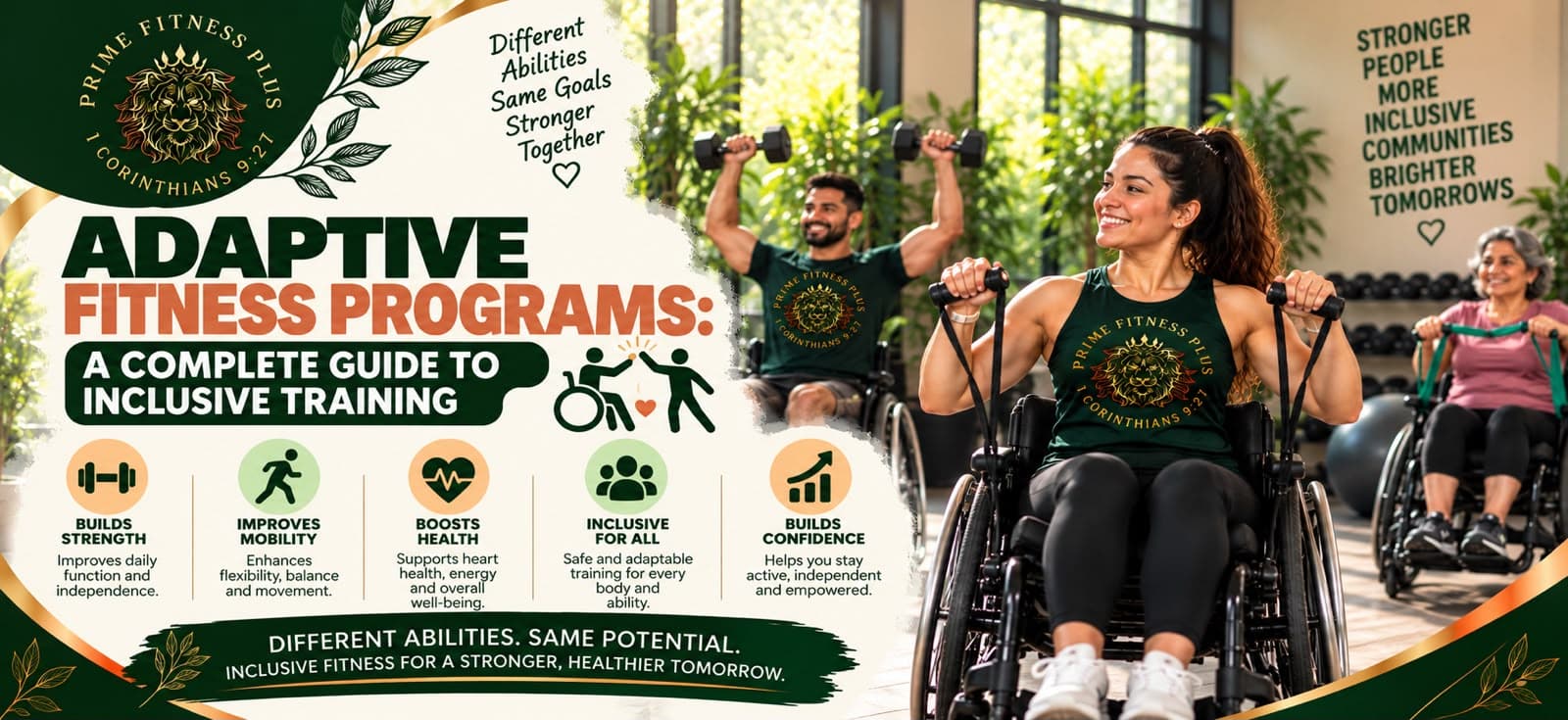
Adaptive fitness programs are structured exercise plans designed for people with physical, sensory, cognitive, or developmental limitations. These programs emphasise safe movement, functional strength, balance, endurance, and daily independence. Rather than forcing people into standard exercise routines, adaptive fitness tailors movements, equipment, and training methods to individual ability.
The goal is simple: to make fitness inclusive.
As more people seek accessible health solutions, adaptive fitness training is becoming a major part of the wellness industry. From rehabilitation centres and gyms to personal training studios and home-based sessions, inclusive training now serves people from diverse backgrounds.
This guide explains adaptive fitness programs, how they work, who benefits, and why inclusive training matters.
What Are Adaptive Fitness Programs?
Adaptive fitness programs are exercise systems tailored to a person’s physical or cognitive needs. These programs help individuals train safely while working toward strength, mobility, flexibility, and overall health.
Traditional exercise programs often assume that everyone can perform the same movement patterns—running, jumping, lifting weights, or balancing without assistance. Adaptive fitness rejects that assumption.
Instead, trainers modify exercises based on:
- Range of motion
- Strength levels
- Balance limitations
- Neurological conditions
- Injury history
- Mobility support needs
- Sensory challenges
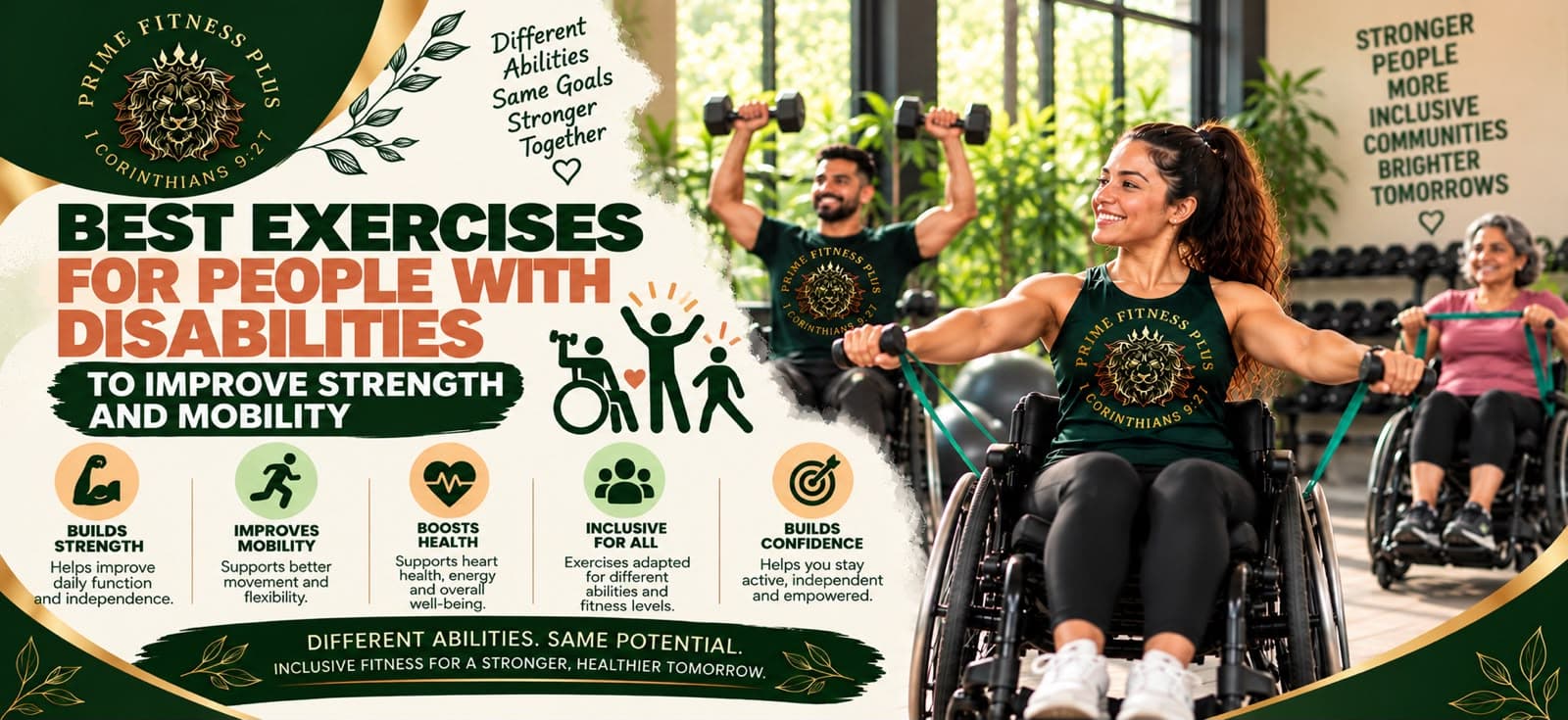
For example, a squat may be modified into a chair-assisted sit-to-stand movement. A standing overhead press may be adapted into a seated dumbbell press for wheelchair users.
The movement goal remains the same, but the method changes.
Many adaptive exercise programs focus on what a person can do rather than on what they cannot do.
Why Inclusive Training Matters
Inclusive training creates access. Without accessible fitness programs, many people are excluded from health and wellness spaces.
People with disabilities often face barriers such as:
- Lack of accessible gyms
- Trainers without disability knowledge
- Equipment that cannot be used safely
- Poor program design
- Fear of injury
- Social discomfort
These barriers can lead to inactivity, reduced mobility, weight gain, decreased muscle mass, and long-term health problems.
Inclusive fitness programs help remove these obstacles and make exercise accessible to more individuals.
Regular physical activity can support:
- Better heart health
- Stronger muscles
- Improved posture
- Greater balance
- Reduced stiffness
- Better coordination
- Higher energy levels
- Lower stress
Fitness is not only about body shape or weight loss. For many people in adaptive training, success means walking with greater confidence, transferring safely from a wheelchair, climbing stairs, or improving daily mobility.
That progress can meaningfully improve quality of life.
Who Can Benefit from Adaptive Fitness Training?
Adaptive fitness training serves many groups. It is not limited to a single condition or age group.
People who may benefit include:
Individuals With Physical Disabilities
This includes people with:
- Spinal cord injuries
- Limb differences
- Paralysis
- Cerebral palsy
- Muscular dystrophy
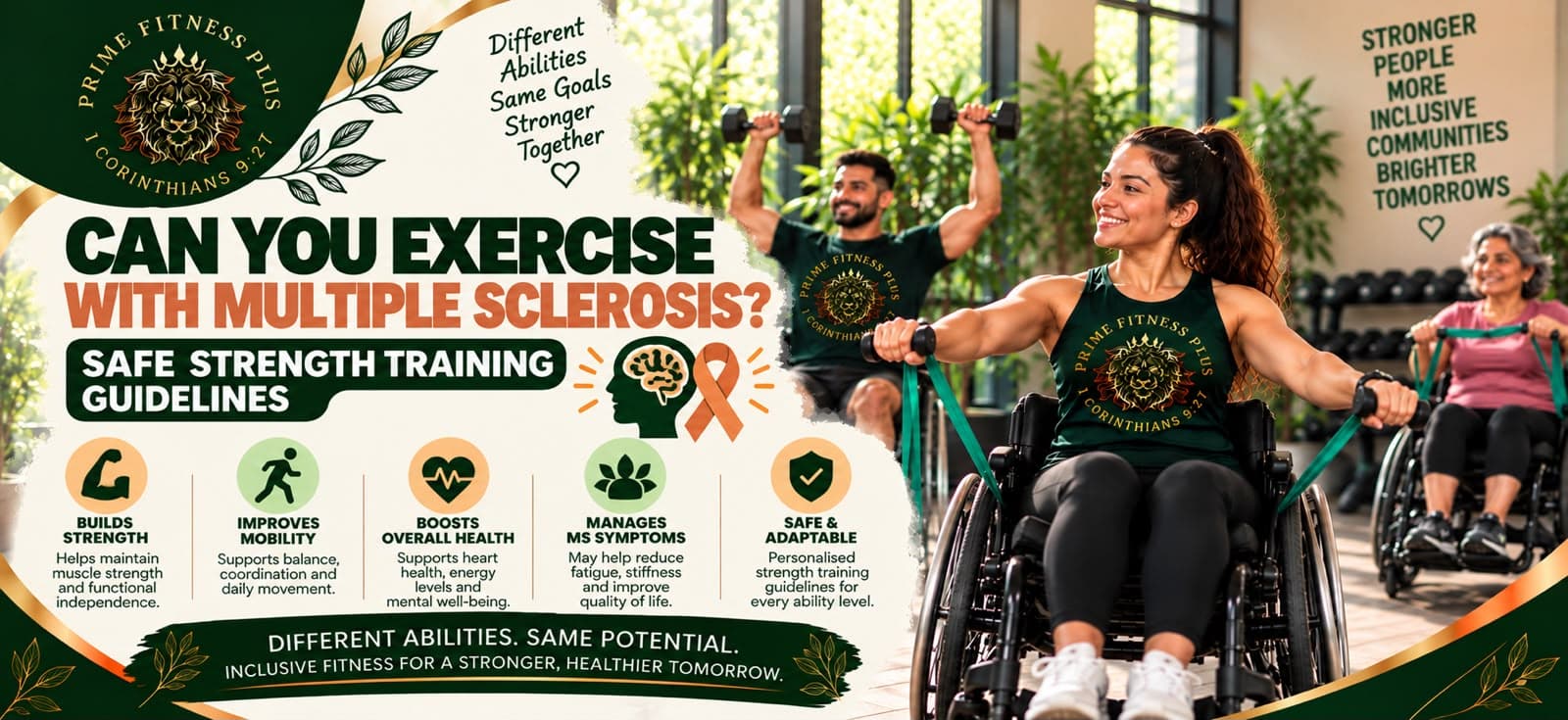
- Multiple sclerosis
Many disability-focused fitness programs emphasise strength, posture, mobility, and movement control.
People Recovering From Injuries
After surgery or injury, many people need modified exercise before returning to full mobility.
Examples include:
- Knee surgery recovery
- Shoulder injuries
- Hip replacement recovery
- Back pain rehabilitation
Modified training supports safe recovery.
Older Adults
Ageing often brings reduced mobility, joint weakness, and balance issues.
Adaptive fitness helps older adults maintain:
- Stability
- Functional strength
- Joint mobility
- Fall prevention
People With Neurological Conditions
Conditions affecting the nerves, coordination, or brain function often require specialized movement plans.
Examples include:
- Parkinson’s disease
- Stroke recovery
- Traumatic brain injury
- Autism spectrum conditions
Training may focus heavily on motor control and coordination.
Individuals With Developmental Disabilities
People with developmental conditions may need structured, easy-to-follow movement guidance.
Programs often use repetition, visual guidance, and clear coaching.
Key Components of Adaptive Fitness Programs
Adaptive fitness is more than exercise modification. Strong adaptive fitness programs include several core elements.
Initial Assessment
Every adaptive training plan should start with a comprehensive assessment.
This helps trainers understand:
- Current movement ability
- Medical history
- Pain limitations
- Mobility support devices
- Strength baseline
- Personal goals
Assessment creates a safe starting point.
No two people have the same needs, even when they share the same diagnosis.
This is where personalized fitness programs become valuable because goals and limitations vary from person to person.
Mobility Training
Mobility training focuses on joint mobility and body control.
This may include work for:
- Ankles
- Hips
- Shoulders
- Spine
- Knees
Limited mobility often leads to compensation patterns that increase discomfort or the risk of injury.
Improving mobility can support better movement in everyday life.
Strength Training
Muscle strength plays a major role in maintaining independence.
Adaptive strength training can use:
- Resistance bands
- Machines
- Free weights
- Bodyweight movements
- Cable systems
Strength work may help with:
- Standing up
- Carrying objects
- Transfers
- Walking support
- Posture control
Building strength often improves daily function.
Balance and Coordination
Balance training reduces fall risk and increases movement confidence.
Exercises may include:
- Assisted standing
- Stability drills
- Single-leg work with support
- Core strengthening
- Controlled weight shifts
For people with neurological challenges, coordination work is especially important.
Cardiovascular Training
Cardio improves endurance and heart health.
Adaptive cardio may involve:
- Arm bikes
- Recumbent cycles
- Wheelchair pushing drills
- Rowing modifications
- Walking intervals
The goal is to improve stamina while staying safe.
Benefits of Adaptive Exercise Programs
Strong adaptive exercise programs provide physical, mental, and social benefits.
Better Physical Health
Regular training helps improve:
- Muscle endurance
- Flexibility
- Joint support
- Circulation
- Bone health
Physical progress often supports long-term health.
Greater Independence
Independence matters deeply to many people.
As movement improves, daily tasks become easier.
This may include:
- Dressing
- Cooking
- Walking
- Bathing
- Household tasks
Small physical improvements can lead to major lifestyle changes.
Mental Health Support
Exercise supports mental well-being.
Many people report improvements in:
- Mood
- Confidence
- Stress management
- Motivation
Physical activity can help reduce feelings of isolation.
Social Connection
Many inclusive fitness programs foster strong community support.
Training with supportive coaches or in group classes helps people feel included.
This social connection can improve long-term consistency.
Common Adaptive Fitness Equipment
Specialised equipment can make training safer and more accessible.
Common tools include:
Resistance Bands
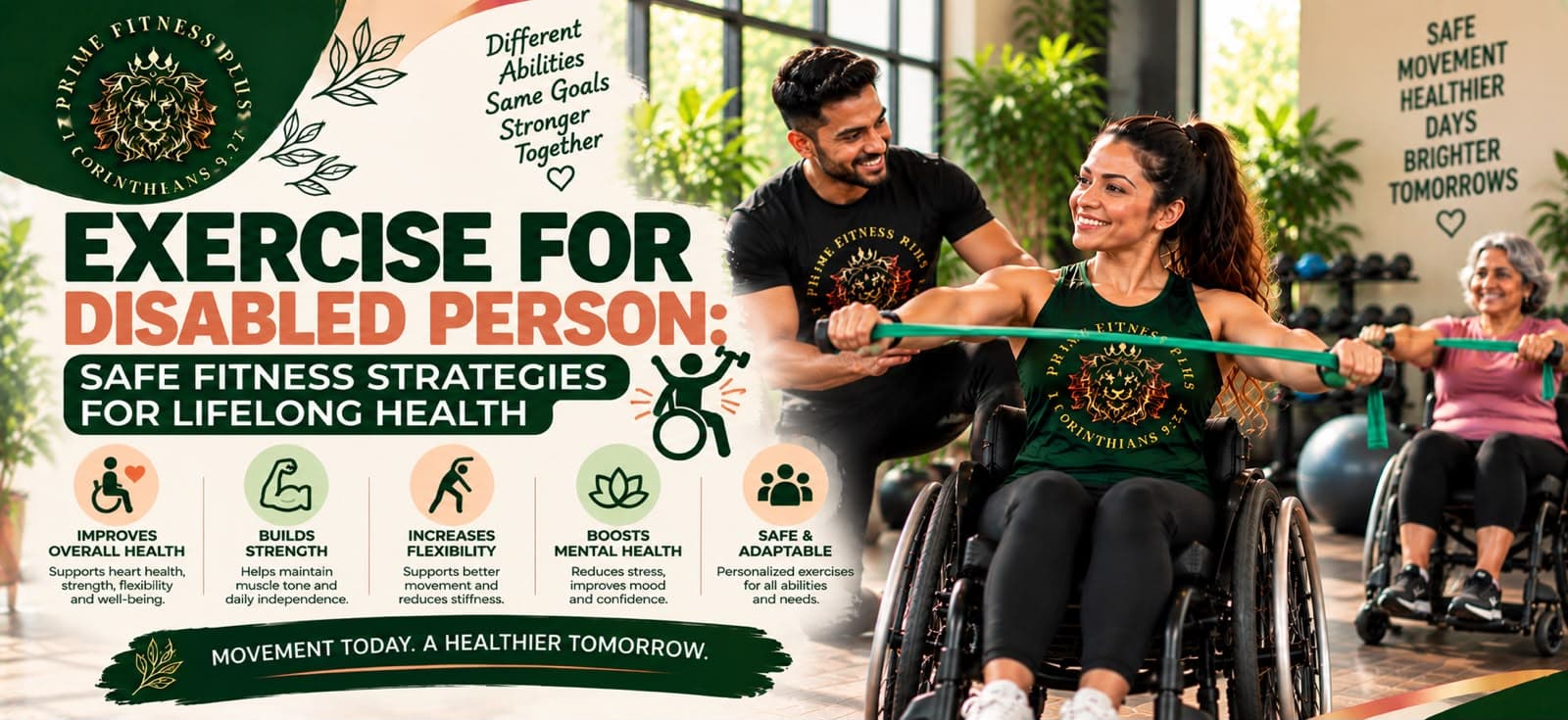
Bands provide adjustable resistance and are effective for seated training.
Stability Balls
These help improve balance and core strength.
Chair Support Systems
Chairs support seated exercises or assisted standing drills.
Accessible Weight Machines
Some machines allow wheelchair users to position more easily.
Suspension Trainers
Suspension systems support bodyweight movements through controlled assistance.
Equipment should enable movement, not limit it.
Challenges in Adaptive Fitness
Despite growing awareness, challenges persist.
Limited Access to Qualified Trainers
Not all trainers understand disability-focused exercise.
A trainer should know how to modify movement safely.
Facility Accessibility
Some gyms still lack:
- Ramps
- Wide entryways
- Accessible restrooms
- Adaptive equipment
This limits participation.
Cost Concerns
Specialised coaching may cost more than standard personal training.
However, many clients see strong value in the specialised support.
Lack of Awareness
Many people simply do not know that adaptive fitness exists.
Education is important for broader access.
Choosing the Right Adaptive Fitness Program
Not all programs offer the same quality level.
When choosing a program, consider these factors.
Trainer Experience
Look for trainers with experience in:
- Corrective exercise
- Rehabilitation support
- Disability fitness
- Functional training
Knowledge matters greatly.
Safety Standards
Programs should include:
- Assessments
- Progress tracking
- Clear modifications
- Injury prevention methods
Safety should always come first.
Goal Alignment
Choose programs matching personal goals.
Common goals include:
- Weight management
- Strength
- Mobility
- Sports performance
- Recovery
Programs should support real needs.
Environment
A welcoming environment matters.
People should feel comfortable, respected, and supported.
Inclusive fitness is also about culture.
Adaptive Fitness at Home
Not everyone can access a gym, so home training can be a practical option.
Home workouts may include:
- Resistance band exercises
- Chair workouts
- Bodyweight drills
- Mobility routines
- Light dumbbell sessions
Virtual coaching has also made adaptive fitness more accessible to people.
Online coaching allows people to train at home while receiving expert guidance.
This is particularly helpful for individuals with transportation challenges.
Functional Training
Functional fitness training focuses on movements used in daily life.
Examples include:
- Sit-to-stand drills
- Reaching exercises
- Carrying patterns
- Stair preparation
- Transfer practice
This training has strong real-life value.
The Growing Future of Adaptive Fitness Programs
The health and wellness industry is evolving. More trainers, clinics, and fitness centres now recognize the need for inclusive exercise.
Adaptive personal training is emerging as a major service category.
This growth is driven by several factors.
- Increased disability awareness
- Aging populations
- Rising demand for accessible wellness
- Greater focus on functional health
Businesses that offer adaptive fitness services are filling an important market gap.
Final Thoughts
Adaptive fitness programs are helping create a more inclusive fitness environment.
Exercise should never be limited to those who meet traditional workout standards. Every individual deserves movement options that respect their bodies, health, and abilities.
Whether someone is recovering from an injury, living with a disability, managing age-related mobility changes, or seeking functional strength, inclusive training offers meaningful support.
The future of fitness is accessibility. Adaptive fitness programs will continue to help more people build strength, improve movement, and live with greater confidence.