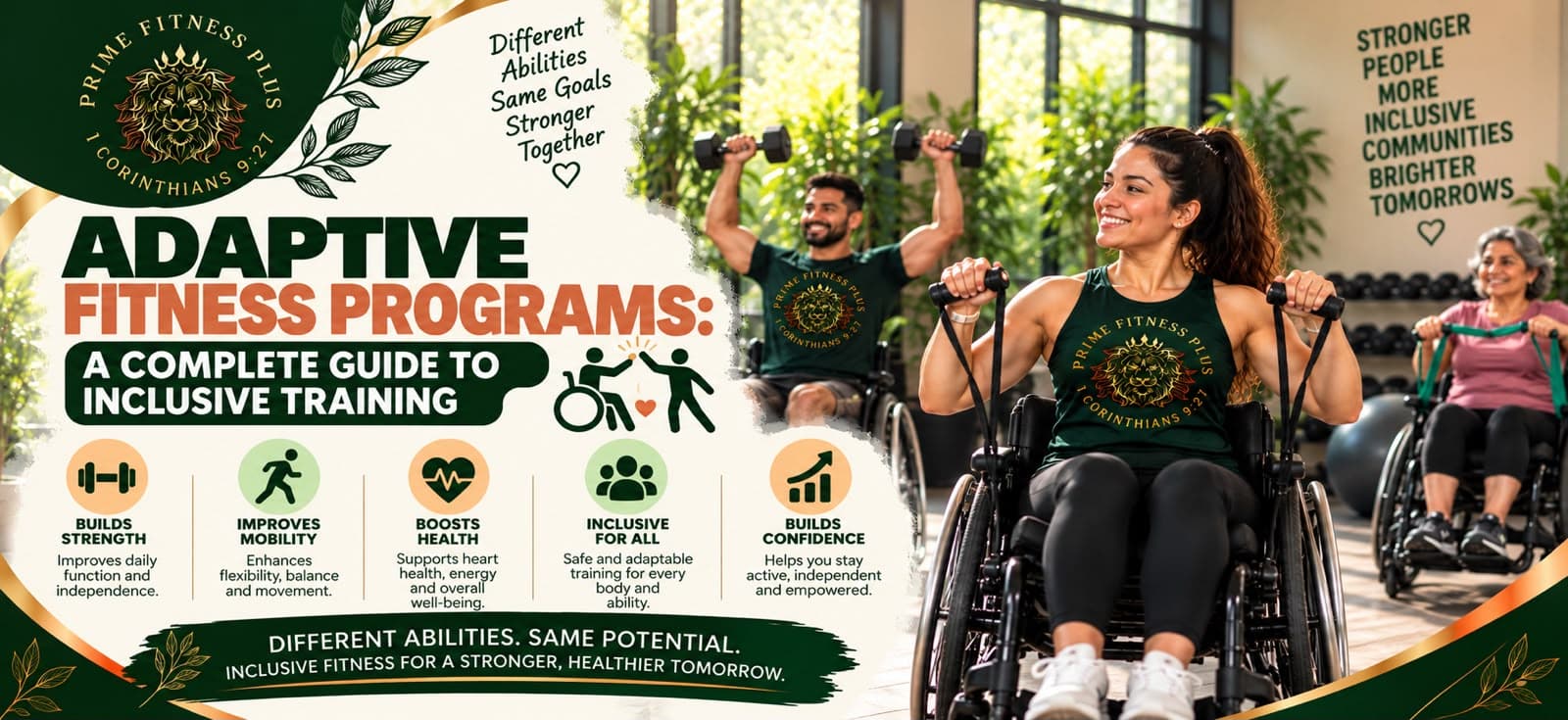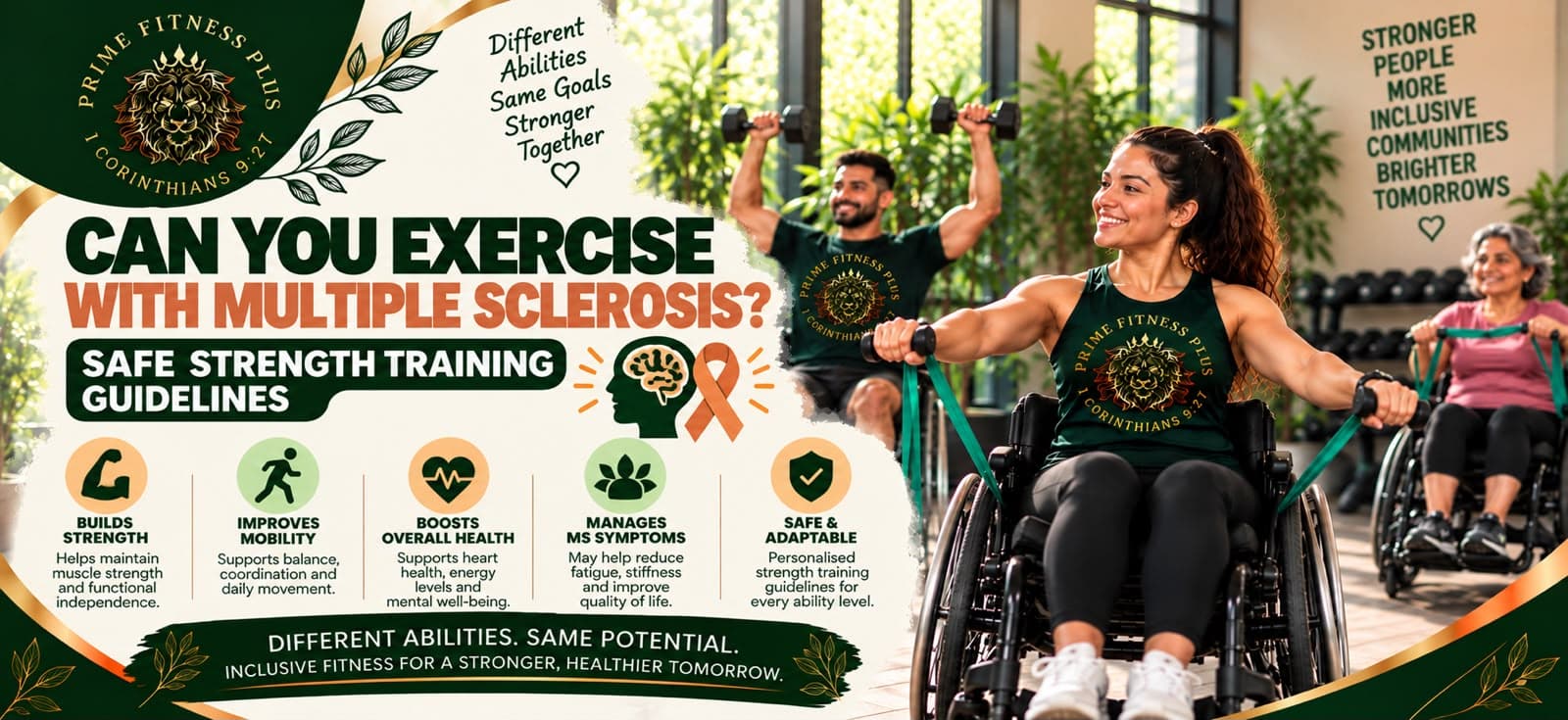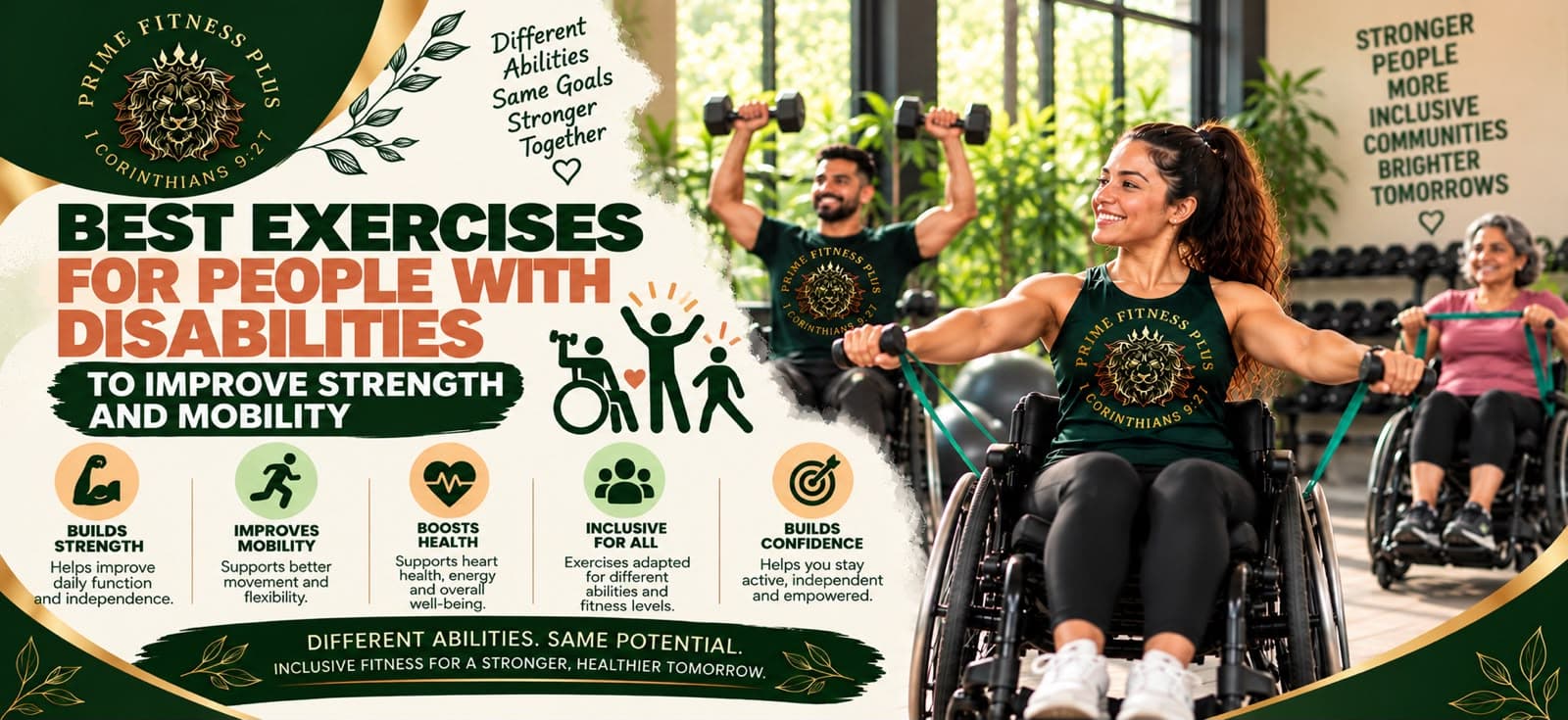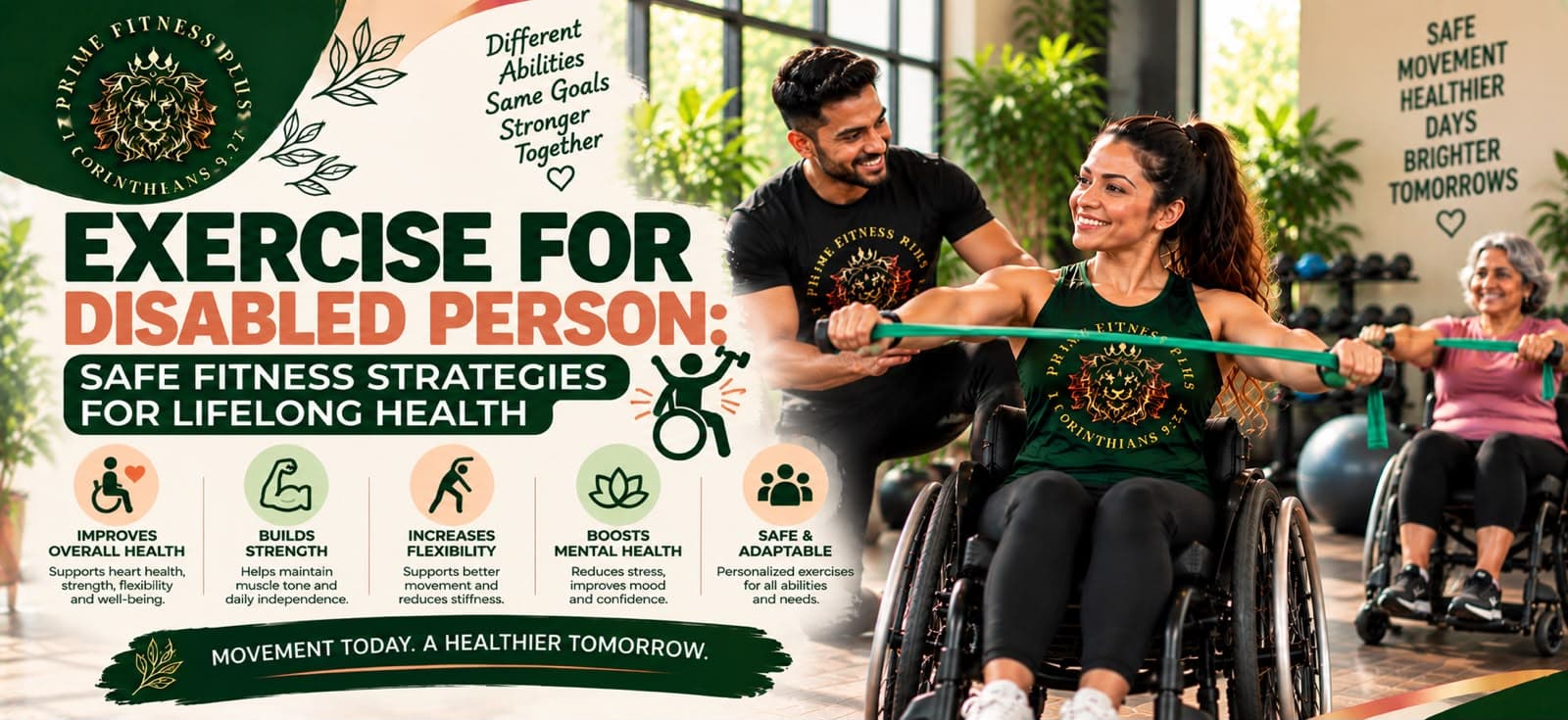
Staying active matters for everyone. Regular movement supports strength, mobility, heart health, balance, mental well-being, and daily independence. Exercise programs for people with disabilities provide safe, practical opportunities for movement, particularly for those who may need structured support. For people living with disabilities, exercise can also support pain management, joint function, posture, and confidence in everyday activities.
Still, many people face barriers to staying active. These barriers may include inaccessible gyms, a lack of trained fitness professionals, limited adaptive equipment, transport issues, or programs that do not match individual physical needs.
This is why exercise programs for people with disabilities matter. A well-planned fitness program provides a safe, supportive path to better health while respecting each person’s physical abilities, goals, and comfort level.
What Are Exercise Programs for People With Disabilities?
Exercise programs for people with disabilities are structured physical activity plans tailored to individuals with physical, sensory, intellectual, or neurological disabilities. These programs focus on movement that supports function, strength, flexibility, endurance, and activities of daily living.
The purpose is not to force everyone into the same workout model. Instead, the goal is to make movement accessible and practical through inclusive training methods and accessible workout programs.
Disabilities vary widely. Some people use wheelchairs, while others may have limited mobility, visual impairment, cerebral palsy, multiple sclerosis, autism, spinal cord injuries, stroke-related limitations, or chronic pain.
Because every body works differently, exercise programs should respect:
- Current physical ability
- Medical history
- Range of motion
- Mobility level
- Energy level
- Personal goals
- Safety requirements
Inclusive fitness means making exercise available to all, not just those who fit traditional gym systems.
Why Exercise Programs for People With Disabilities Matter
Physical activity offers significant health benefits for people with disabilities. In many cases, movement improves function in daily life. Regular participation in adaptive physical activity supports both physical and mental well-being.
Physical Benefits
Regular exercise may help with:
- Muscle strength
- Joint mobility
- Better posture
- Bone health
- Improved circulation
- Weight management
- Reduced stiffness
- Better coordination
- Reduced risk of heart disease
For people with limited mobility, even short sessions can support muscle activation and blood flow. Consistent physical activity for people with disabilities may also reduce long-term health risks associated with inactivity.
Mental and Emotional Benefits
Exercise also supports emotional well-being.
Many people report:
- Lower stress
- Better mood
- Better sleep
- Reduced anxiety
- Higher confidence
- Greater independence
Fitness programs often foster community as well. Group sessions, adaptive sports, and guided training reduce isolation and build social connections. This is one reason many families seek special needs exercise classes for ongoing support.
Functional Benefits
Exercise can make daily tasks easier.
This includes activities such as:
- Getting in and out of bed
- Walking short distances
- Wheelchair transfers
- Carrying groceries
- Climbing stairs
- Dressing independently
For many people, functional movement matters more than athletic performance.
Common Disabilities That Benefit From Adaptive Exercise
Inclusive fitness programs support a wide range of conditions.
These may include:
Physical Disabilities
Examples include:
- Spinal cord injury
- Amputation
- Muscular dystrophy
- Arthritis
- Cerebral palsy
- Stroke recovery
These programs often emphasise mobility, strength, and balance.
Neurological Conditions
Examples include:
- Parkinson’s disease
- Multiple sclerosis
- Brain injury
- Neuropathy
Training often emphasises coordination, posture, and movement control.
Sensory Disabilities
Examples include:
- Blindness or low vision
- Hearing impairment
Programs may use verbal cues, tactile guidance, or visual signals as needed.
Intellectual or Developmental Disabilities
Examples include:
- Autism spectrum disorder
- Down syndrome
- Cognitive disabilities
Exercise sessions often rely on simple instructions, repetition, and routine.
Types of Exercise Programs for People With Disabilities
A comprehensive fitness plan usually includes several exercise categories.
Strength Training in Exercise Programs for People With Disabilities
Strength training builds muscles that support posture, movement, and everyday tasks.
Examples include:
- Resistance bands
- Dumbbells
- Cable machines
- Bodyweight exercises
- Medicine balls
Adaptive strength training can be performed seated, standing, or with support.
Sample exercises:
- Seated chest press
- Resistance band rows
- Wall push-ups
- Seated shoulder press
- Leg extensions
Strength training is especially useful for wheelchair users because upper-body strength supports mobility and transfers.
Flexibility and Mobility Training
Flexibility training helps reduce stiffness and improve range of movement.
This may include:
- Gentle stretching
- Assisted mobility drills
- Joint movement exercises
- Range-of-motion work
Benefits include:
- Better posture
- Reduced tightness
- Easier movement
- Lower discomfort during daily tasks
People with spasticity or limited joint movement often benefit from regular mobility sessions. Appropriate mobility training for adults with disabilities can help improve daily movement patterns and posture.
Cardiovascular Exercise
Cardio supports heart and lung health.
Adaptive cardio can include:
- Wheelchair rolling
- Arm cycling
- Hand bikes
- Swimming
- Seated aerobics
- Walking programs
Cardio improves endurance, stamina, and circulation.
Beginners can start with 5–10 minutes and gradually increase session length.
Balance and Stability Training
Balance training helps reduce the risk of falls.
Exercises may include:
- Supported standing
- Weight shifting
- Stability ball exercises
- Core strengthening
- Single-leg work with assistance
This is helpful for older adults and for people recovering from injury or stroke.
Functional Fitness Training
Functional fitness focuses on movements used in everyday life.
Examples include:
- Sit-to-stand practice
- Transfer training
- Reaching exercises
- Core activation
- Carrying movements
This type of training helps people maintain their independence.
Adaptive Exercise Modifications
Exercise does not always require special equipment. Many standard exercises can be modified.
Examples include:
Seated Modifications
Standing exercises can often be performed while seated. Many chair-based exercise programs use these exercises to improve strength and mobility.
Examples:
- Seated punches
- Seated rows
- Seated shoulder raises
Assisted Movement
Some individuals may need physical support from a trainer, a carer, or a therapy professional.
Support may help with:
- Alignment
- Balance
- Safety
- Controlled movement
Range Adjustments
Not every movement requires full range.
Shortened range can still deliver meaningful muscle work.
Speed Adjustments
Slower movement often improves control and reduces the risk of injury.
The goal is safe movement, not speed.
How to Build a Safe Exercise Program
A good exercise plan begins with assessment.
Step 1: Understand Current Ability
Before beginning, review:
- Mobility level
- Pain level
- Balance
- Muscle strength
- Medical limitations
This helps identify safe starting points.
Step 2: Set Clear Goals
Goals give direction.
Examples include:
- Walk longer distances
- Improve flexibility
- Reduce stiffness
- Gain strength
- Improve balance
- Support recovery after injury
Goals should be realistic and measurable.
Step 3: Start Small
Many beginners make the mistake of doing too much too soon.
Short sessions often work best.
Start with:
- 10–20 minutes
- 2–3 days weekly
- Light intensity
Consistency matters more than long workouts.
Step 4: Progress Gradually
Increase difficulty slowly through:
- More repetitions
- Slightly more resistance
- Longer sessions
- Better control
Sudden increases may cause soreness or injury.
Safety Tips for Inclusive Fitness
Safety should always come first.
Follow these guidelines.
Get Medical Clearance
People with chronic conditions should consult a doctor or a rehabilitation specialist before starting a new exercise routine.
This is especially important for:
- Heart conditions
- Severe mobility issues
- Post-surgery recovery
- Neurological conditions
Watch for Pain Signals
Mild muscle fatigue is normal.
Sharp pain is not.
Stop exercise if there is:
- Severe discomfort
- Dizziness
- Chest pain
- Numbness
- Sudden weakness
Use Proper Support
Support tools may include:
- Braces
- Adaptive equipment
- Stability rails
- Transfer belts
These tools improve safety during movement.
Stay Hydrated
Hydration matters during all workouts, including seated exercises.
Home-Based Exercise Programs for People With Disabilities
Not everyone can access a gym.
Home workouts are often convenient and comfortable.
Home exercise options include:
- Resistance bands
- Chair workouts
- Stretch routines
- Light dumbbells
- Bodyweight exercises
Benefits of home fitness include:
- Less travel
- More comfort
- Flexible timing
- Lower cost
Many home-based routines are designed as accessible workout programs, enabling people to stay active in familiar surroundings. Virtual coaching has also made adaptive fitness more accessible.
Group Fitness and Community Programs
Many people enjoy group-based movement.
Community programs may include:
- Adaptive yoga
- Wheelchair sports
- Aquatic therapy
- Group strength classes
- Rehabilitation fitness programs
Group sessions provide motivation and social support.
For many people, shared fitness spaces create accountability and encouragement. Community-based special needs exercise classes can also improve social participation.
Working With Adaptive Fitness Professionals
Not all trainers understand disability-focused training.
Working with a qualified adaptive fitness specialist can make a significant difference.
Look for professionals with experience in:
- Correct movement mechanics
- Disability support
- Rehabilitation exercise
- Functional fitness
- Injury prevention
Ask questions such as:
- Have you trained clients with similar conditions?
- What modifications do you use?
- How do you manage safety?
Good trainers focus on ability, not limitations. Many professionals also provide structured mobility training for adults with disabilities in rehabilitation-focused programs.
Common Challenges and Solutions
Many people face obstacles when starting with fitness.
Challenge: Fear of Injury
Solution: Start with guided low-impact exercise.
Challenge: Limited Equipment
Solution: Use bands, chairs, and bodyweight exercises.
Challenge: Low Confidence
Solution: Start with simple routines and short sessions.
Challenge: Lack of Accessible Facilities
Solution: Use home-based or virtual programs.
Progress does not require perfection.
Small improvements matter. Regular adaptive physical activity helps build confidence over time.
The Future of Inclusive Fitness
Fitness spaces are gradually becoming more inclusive. More gyms, rehabilitation centres, and wellness providers now recognise the need for adaptive exercise programs.
People with disabilities deserve equal access to fitness opportunities, education, and support. Ongoing support for physical activity among people with disabilities can improve health outcomes across communities.
Inclusive fitness is not a special service for a small group. It is part of a healthier, more accessible society.
When movement becomes accessible to everyone, communities become stronger.
Final Thoughts
Exercise programs for people with disabilities create opportunities for improved health, independence, mobility, and confidence. The right program respects each individual’s physical needs while ensuring movement is safe and practical.
There is no single perfect workout for everyone. Progress comes from consistent movement, proper guidance, and realistic goals.
Whether the goal is improved strength, easier daily movement, reduced stiffness, or better overall wellness, inclusive fitness can play a major role.
Everyone deserves access to movement, support, and a fitness path that suits their body.