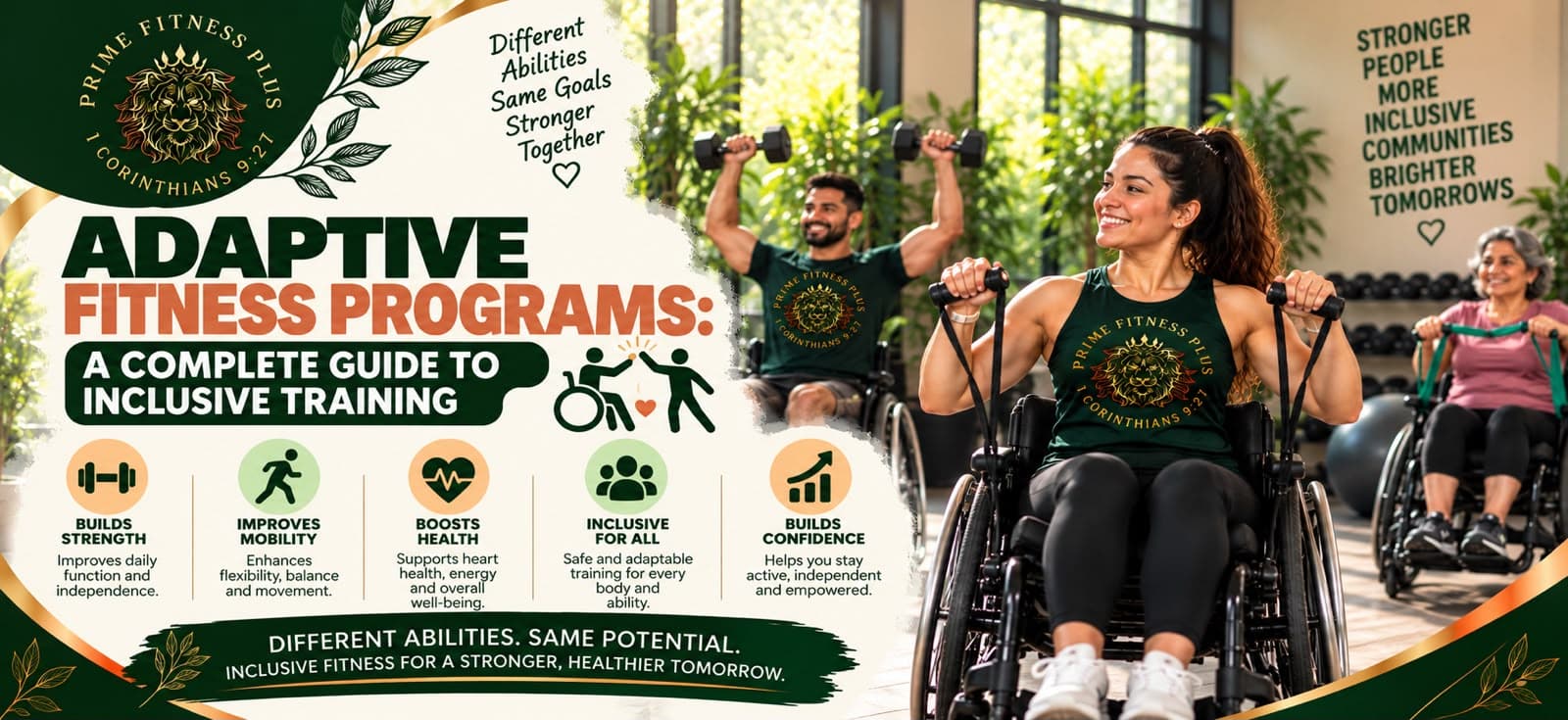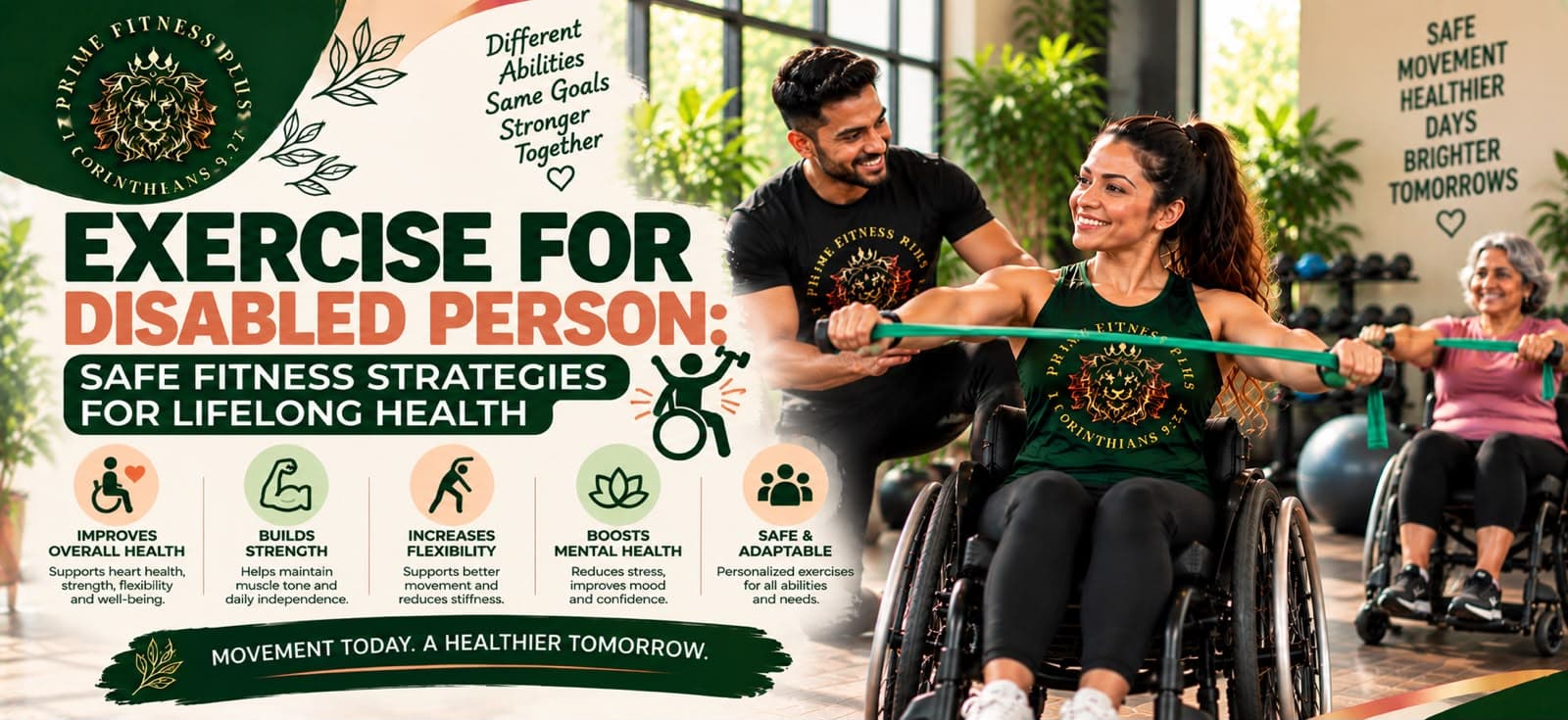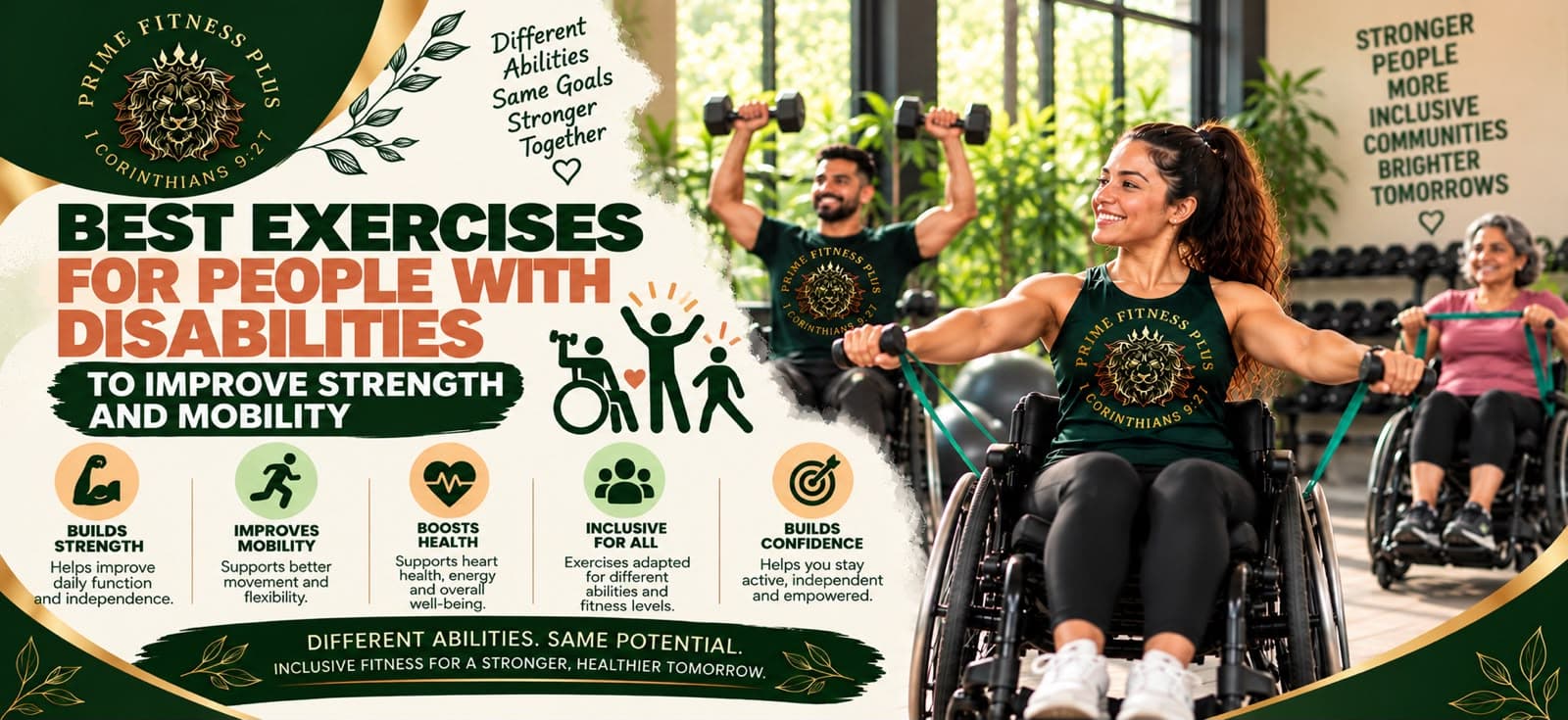
Staying active matters for everyone, including people living with physical, sensory, cognitive, or mobility-related disabilities. Regular movement through exercises for people with disabilities helps maintain muscle strength, joint flexibility, balance, coordination, and overall physical function. It can also support daily tasks such as walking, transferring, reaching, standing, and using mobility aids with greater comfort. Many adaptive and accessible exercise routines can be adjusted to individual needs, making movement possible for more people.
For many people with disabilities, exercise can feel difficult because of pain, limited range of motion, fatigue, a history of injury, or a lack of access to inclusive fitness spaces. Still, movement need not be intense or complicated to be helpful. Even small amounts of safe physical activity, done consistently, can improve strength and mobility over time.
The right exercise plan depends on individual needs, medical history, and physical ability. Some people may train while seated, some may use wheelchairs, and others may use assistive devices. What matters most is choosing movements that are safe, practical, and suited to the body’s current ability.
Why Exercises for People With Disabilities Matter
Exercise supports both physical and mental well-being. Many disabilities can limit movement, leading to muscle weakness, stiffness, reduced endurance, poor balance, or joint pain over time. Regular physical activity helps reduce these challenges. Structured Disability Exercise Programs often focus on gradual progress through mobility and functional movement training.
Benefits may include:
- Better muscle strength
- Improved joint mobility
- Better posture and balance
- Reduced stiffness and pain
- Increased energy levels
- Better circulation
- Support for heart health
- Greater independence in daily tasks
Exercise can also help reduce stress, improve mood, and build confidence. Many people report feeling stronger and more capable in daily life after establishing consistent, inclusive fitness training habits.
Safety Tips Before Starting Exercises for People With Disabilities
Before starting any workout plan, it is wise to consult a healthcare provider, physical therapist, or adaptive fitness specialist. This is especially important for people recovering from surgery, injury, stroke, spinal cord injury, or chronic health conditions. Many professionals use rehabilitation and range-of-motion exercises before progressing to advanced workouts.
Keep these safety tips in mind:
Start Slowly
Begin with short sessions of 5–10 minutes if needed. Duration can be increased gradually.
Focus on Proper Form
Controlled movement matters more than speed or repetition.
Listen to the Body
Stop if you experience sharp pain, dizziness, chest discomfort, or unusual fatigue.
Use Support When Needed
Chairs, resistance bands, wall support, walkers, or assistance from a carer may help.
Warm Up First
Gentle movement prepares muscles and joints for exercise.
Best Exercises for People With Disabilities for Strength and Mobility
The following movements support both strength and flexibility and can be included in Accessible Fitness Programs or home-based disability-friendly workouts.
1. Seated Marching
Seated marching is a simple exercise that improves hip mobility, leg strength, and circulation. It is useful for wheelchair users or anyone with limited ability to stand. It is commonly included in Chair Exercises for Disabled People and seated exercise programs.
How to Do It
- Sit upright in a sturdy chair.
- Keep feet flat on the floor.
- Lift one knee toward the chest.
- Lower it slowly.
- Repeat with the other leg.
Continue alternating legs.
Benefits
- Improves hip movement
- Activates leg muscles
- Supports circulation
- Builds core stability
Recommended: 10–20 repetitions per side
2. Chair Squats
Chair squats help build lower-body strength. This movement strengthens the muscles used for standing, sitting, and transfers. These chair-based exercises are widely used in adaptive strength training plans.
How to Do It
- Stand in front of a chair.
- Keep feet shoulder-width apart.
- Slowly lower the body toward the chair.
- Lightly touch the seat.
- Stand back up.
Use arm support if needed.
Benefits
- Builds leg strength
- Improves standing ability
- Supports daily movement
Recommended: 8–15 repetitions
3. Resistance Band Rows
Upper-body strength is important for pushing wheelchairs, lifting objects, and maintaining posture. Resistance band rows train the back and shoulder muscles and support Strength Training for Disabled Adults.
How to Do It
- Sit or stand with a resistance band secured in front.
- Hold both ends.
- Pull elbows backwards.
- Squeeze shoulder blades together.
- Return slowly.
Benefits
- Strengthens the upper back
- Improves posture
- Supports shoulder stability
Recommended: 10–15 repetitions
4. Arm Raises
Arm raises help strengthen the shoulders and improve overhead movement. They fit well into Adaptive Fitness Exercises and home-based low-impact workout routines.
Benefits
- Builds shoulder strength
- Improves reaching ability
- Supports daily tasks
Recommended: 8–12 repetitions
5. Ankle Rotations
Ankle mobility is important for walking, balance, and circulation. This exercise is well suited to people with limited lower-body movement and improves flexibility and mobility.
Benefits
- Improves joint mobility
- Reduces stiffness
- Supports circulation
Recommended: 10 circles in each direction
6. Wall Push-Ups
Wall push-ups are beginner-friendly upper-body exercises. They are common in adaptive and accessible exercise routines because they reduce joint stress.
Benefits
- Builds upper-body strength
- Improves pushing power
- Supports transfer movement
Recommended: 8–15 repetitions
7. Seated Knee Extensions
This exercise strengthens the front thigh muscles, which support walking and standing. It is commonly included in Disability Exercise Programs and physical activity for disabled adults.
Benefits
- Strengthens quadriceps
- Improves knee stability
- Supports standing movement
Recommended: 10–15 repetitions per leg
8. Core Twists
Core muscles support posture, balance, and spinal control. Seated core twists are safe and effective for wheelchair-friendly exercises and for improving trunk control.
Benefits
- Improves trunk control
- Supports posture
- Helps with rotational movement
Recommended: 10 repetitions per side
9. Heel Raises
Heel raises strengthen the calves and improve balance for people able to stand. They are excellent exercises for balance and coordination.
Benefits
- Improves balance
- Builds calf strength
- Supports walking
Recommended: 10–20 repetitions
10. Stretching Exercises
Stretching helps maintain flexibility and reduce muscle tightness. This matters for people with muscle stiffness, neurological conditions, or long periods of sitting. Regular range-of-motion and rehabilitation exercises improve mobility.
Good stretches include:
- Hamstring stretch
- Shoulder stretch
- Neck stretch
- Calf stretch
- Wrist stretch
Hold each stretch for 15–30 seconds without bouncing.
Benefits
- Improves flexibility
- Reduces stiffness
- Supports joint movement
Mobility Exercises for Better Movement
Regular Mobility Exercises help joints move through a healthy range of motion and support smoother movement patterns. These mobility training exercises can reduce stiffness and improve comfort during daily tasks.
Simple options include:
- Weight shifts
- Controlled hip circles
- Shoulder rolls
- Leg swings
- Gentle spinal rotations
These functional movement exercises support better body control.
Wheelchair-Friendly Exercise Options
Wheelchair users can still build strength and endurance with the right routine. Many Adaptive Fitness Exercises focus on upper-body conditioning and posture.
Helpful exercises include:
- Seated punches
- Resistance band pulls
- Shoulder rolls
- Seated side bends
- Arm circles
- Wheelchair propulsion drills
These wheelchair-accessible exercises are often included in Accessible Fitness Programs.
Water-Based Exercise
Aquatic exercise is an excellent option for many people with disabilities because water reduces joint pressure while supporting body weight.
Popular options include:
- Water walking
- Pool stretching
- Gentle leg kicks
- Aqua therapy sessions
Water workouts are effective low-impact routines and support physical activity for disabled adults.
Benefits include:
- Less joint stress
- Easier movement
- Better flexibility
- Strength building
How Often Should You Exercise?
Exercise frequency depends on health condition and physical ability.
A general starting point:
Strength Training
2–3 days per week for Strength Training for Disabled Adults
Mobility Work
Daily or most days using Mobility Exercises
Cardio Activity
2–5 days per week if tolerated
Sessions can be short. Even 10–20 minutes of movement can help. Consistency matters more than long workouts. Regular inclusive fitness training and disability-friendly workouts can support long-term progress.
Common Barriers to Exercise
Many people with disabilities face challenges when trying to remain active.
Common barriers include:
- Lack of accessible gyms
- Transportation problems
- Fear of injury
- Limited trainer knowledge
- High program costs
- Lack of adaptive equipment
These barriers can make exercise difficult. Improved access to Accessible Fitness Programs can help more people stay active.
Working With Adaptive Fitness Professionals
Some people benefit from guided training. Adaptive fitness specialists know how to modify exercises for disability, mobility limitations, injury history, or medical needs.
Professional support may help with:
- Safe exercise selection
- Proper movement form
- Strength progression
- Recovery support
- Personalised workout planning
This support often improves outcomes in adaptive strength training.
Final Thoughts
Exercises for People With Disabilities should be accessible to all. Disability does not diminish the ability to build strength, improve mobility, or stay active. The key is to choose safe exercises that match individual needs and physical ability.
Simple movements such as seated marching, chair squats, stretching, resistance band exercises, and balance training can improve movement and daily function. Whether someone follows Chair Exercises for Disabled People, structured Disability Exercise Programs, or guided Adaptive Fitness Exercises, regular movement can support greater comfort, independence, and confidence.