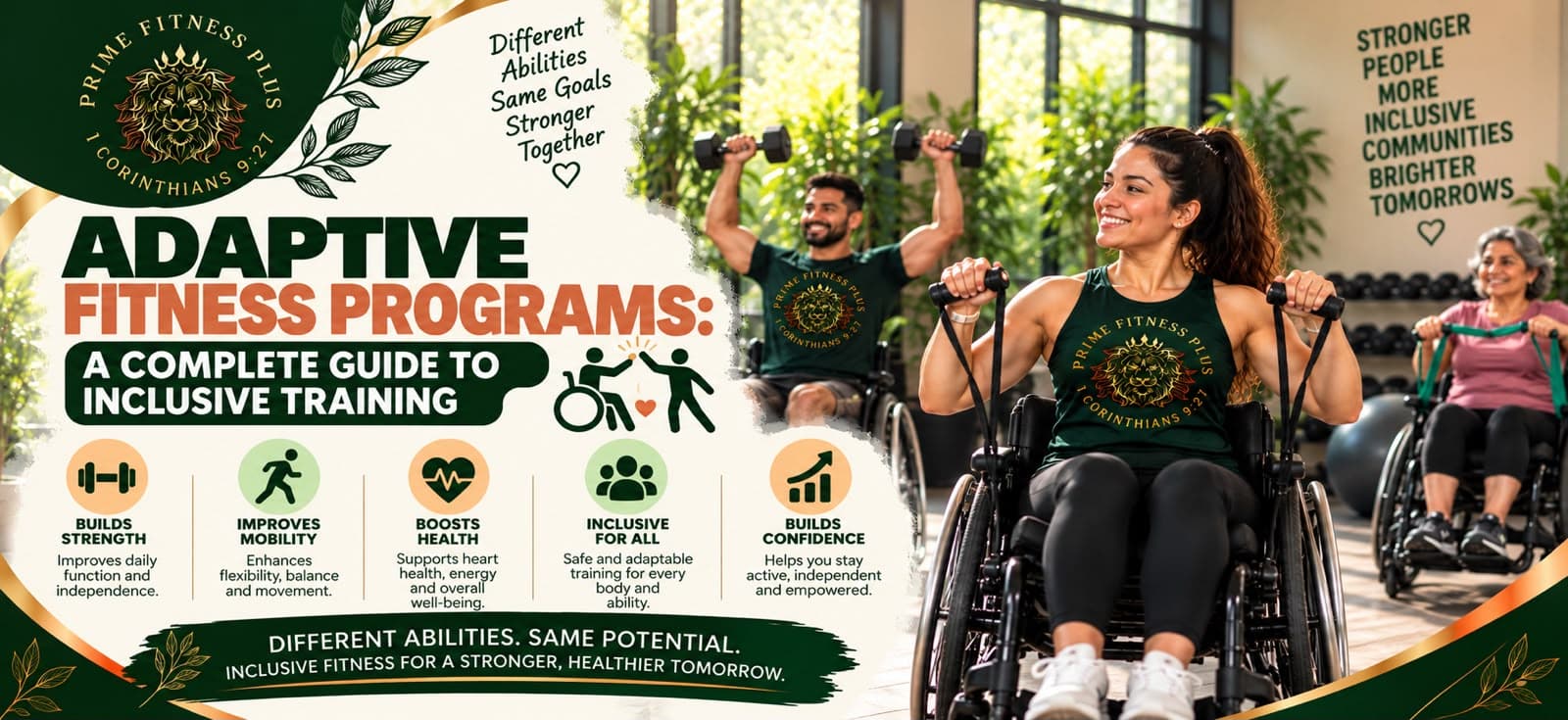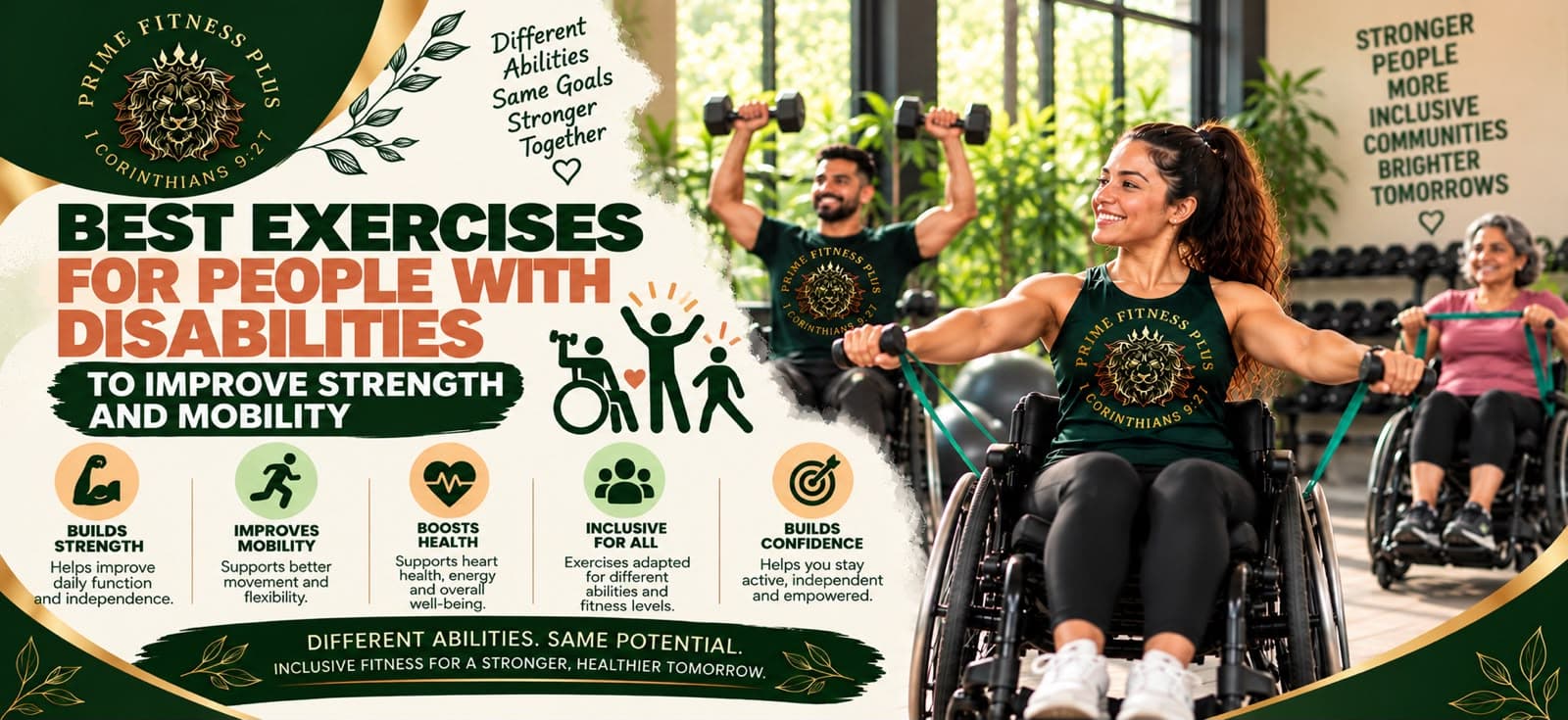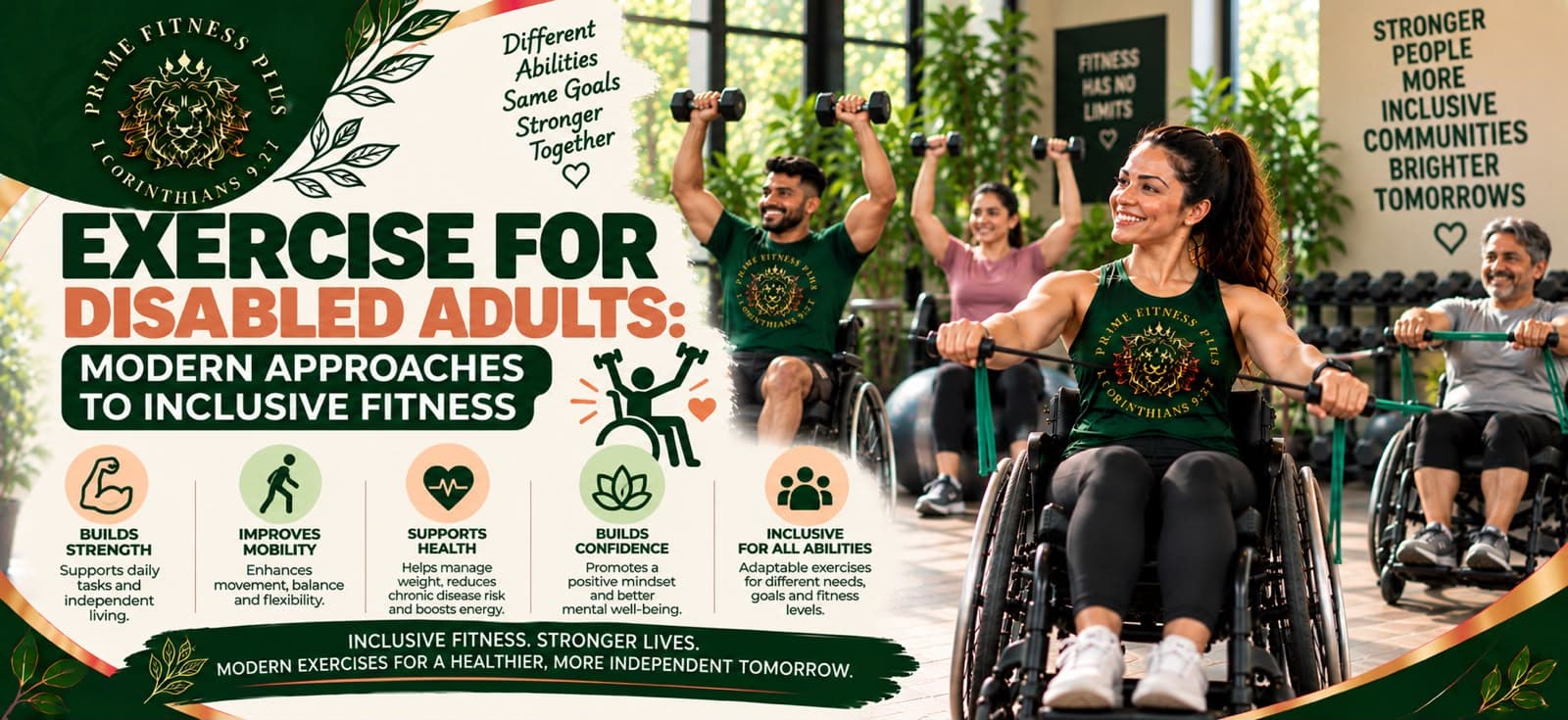
Physical activity is important for everyone, and Exercise for Disabled Adults plays a key role in promoting better health, independence, and overall well-being. Regular movement helps strengthen muscles, support heart health, improve flexibility, and make everyday activities easier. It also enables adults living with disabilities to participate in work, family life, hobbies, and community activities with greater confidence.
The biggest change in recent years is not about new workout trends. It is about shifting how fitness is viewed. Modern fitness programs focus on what a person can do rather than what they cannot. This approach makes exercise more welcoming, practical, and enjoyable for people with different physical, sensory, intellectual, or neurological conditions.
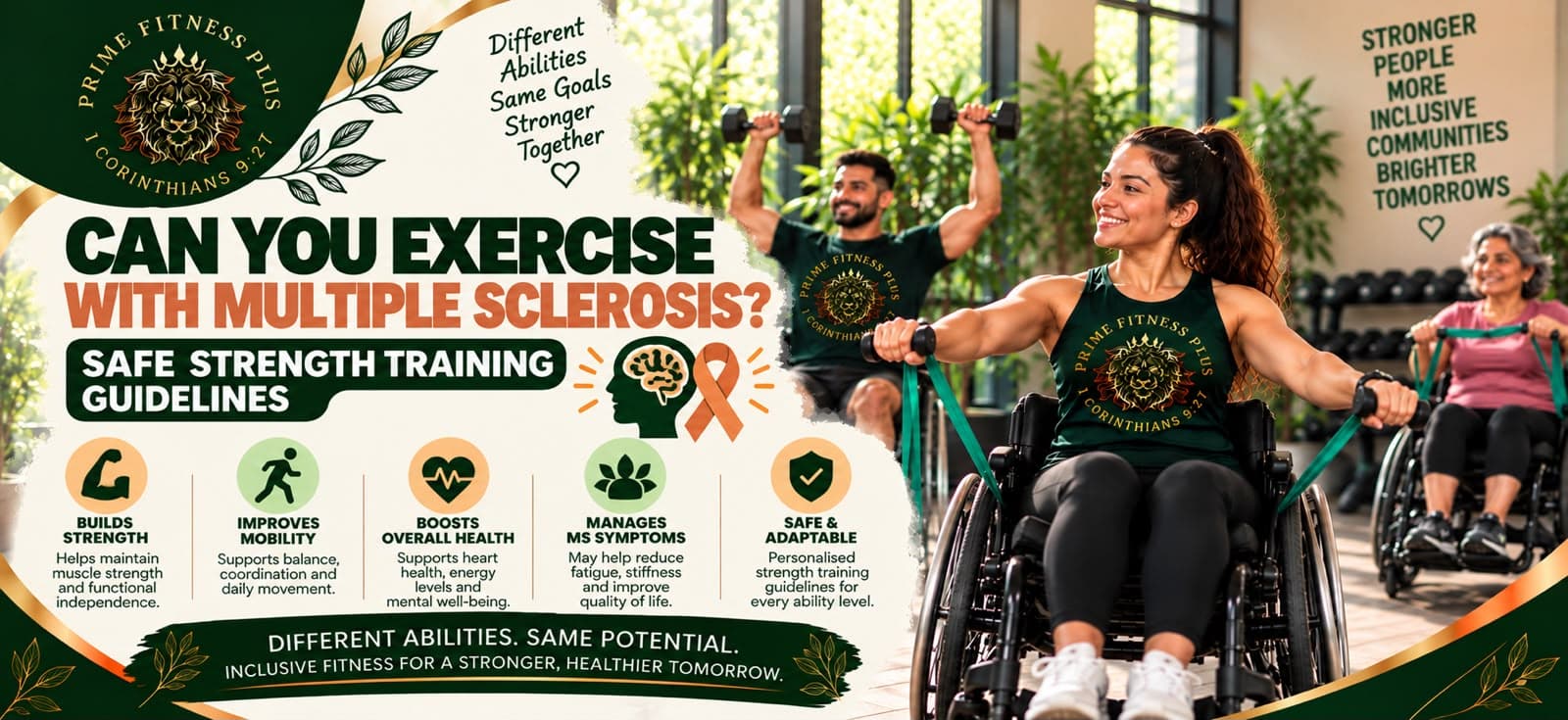
Whether someone uses a wheelchair, has limited mobility, or lives with multiple sclerosis, cerebral palsy, arthritis, Parkinson's disease, limb loss, or another condition, there are many safe ways to stay active. The right program begins with an individual's abilities, health history, and personal goals.
Why Exercise Matters for Disabled Adults
Many adults with disabilities face barriers that make regular physical activity difficult. Limited access to fitness centres, transportation challenges, a lack of trained instructors, and fear of injury often prevent people from getting started.
Even small amounts of movement can make a meaningful difference.
Some of the many benefits include:
- Better muscle strength
- Improved flexibility
- Better joint movement
- Healthier heart and lungs
- Improved balance and coordination
- Better posture
- Reduced stiffness
- Improved mood
- Better sleep quality
- Greater independence during daily activities
- Higher confidence
Regular Exercise for Disabled Adults also helps reduce the risk of secondary health conditions that may arise from prolonged inactivity. Building a consistent routine can support better mobility and make daily tasks more manageable over time.
Exercise for Disabled Adults Through Inclusive Fitness Programs
Modern Inclusive Fitness Programs are built on the principle that every person deserves access to safe physical activity, regardless of ability. Rather than expecting everyone to perform the same movements, instructors adapt exercises to each person's mobility, strength, balance, and personal goals.
Modern inclusive fitness focuses on:
- Ability rather than limitations
- Individual goals
- Safe movement patterns
- Functional daily activities
- Long-term participation
- Respect and dignity
The aim is not to compete with others but to improve health and quality of life at a comfortable pace.
Getting Started Before Beginning an Exercise Program
Before starting a new routine, disabled adults should consult their physician, physical therapist, or rehabilitation specialist. Medical guidance helps identify safe movements and avoid activities that may place unnecessary stress on joints or exacerbate medical conditions.
During the first few weeks:
- Begin with short exercise sessions.
- Increase activity gradually.
- Listen to your body.
- Stop if pain becomes severe.
- Stay hydrated.
- Wear comfortable clothing and supportive footwear when needed.
Starting slowly gives the body time to adjust without undue strain.
Exercise for Disabled Adults: Modern Fitness Assessment
Today's exercise programs often begin with a movement assessment rather than a fitness assessment.
An instructor may look at:
- Sitting balance
- Standing balance
- Walking ability
- Range of motion
- Grip strength
- Coordination
- Endurance
- Pain levels
- Mobility during daily tasks
This helps build a program that aligns with the individual's current abilities rather than with unrealistic expectations. Many professionals also use Adaptive Fitness Training methods to create routines that suit different mobility levels and long-term health goals.
Strength Training for Disabled Adults
Strength training remains one of the most valuable forms of exercise for adults with disabilities.
Stronger muscles make daily activities easier, including:
- Standing from a chair
- Carrying groceries
- Transferring from wheelchair to bed
- Climbing stairs
- Reaching overhead
- Walking longer distances
Strength exercises may include:
Resistance Bands
Resistance bands provide controlled resistance without heavy equipment.
Common exercises include:
- Seated rows
- Chest press
- Shoulder press
- Leg extensions
- Bicep curls
Bands come in different resistance levels, making them suitable for both beginners and experienced exercisers.
Bodyweight Exercises
Many exercises require little or no equipment.
Examples include:
- Wall push-ups
- Chair squats
- Seated leg raises
- Standing calf raises
- Modified planks
- Step-ups
Movements can be adjusted based on mobility levels.
Free Weights
Light dumbbells or kettlebells can gradually build strength.
Exercises should emphasise controlled movement rather than lifting heavy weights.
Many Adaptive Exercise Programs combine resistance bands, bodyweight exercises, and light weights to build strength while accommodating each person's physical abilities.
Chair Exercises for Disabled Adults
Chair Exercises for Disabled Adults are an excellent option for people with limited standing ability, balance concerns, or wheelchair use.
Common chair exercises include:
- Arm circles
- Seated marching
- Seated knee lifts
- Shoulder rolls
- Seated punches
- Ankle rotations
- Side bends
- Leg extensions
- Seated toe taps
These movements improve circulation, joint mobility, and muscle endurance without requiring the participant to stand.
Chair workouts can also be combined into full-body exercise sessions lasting 20 to 40 minutes. Many Chair Exercises for Disabled Adults can be done at home with minimal equipment, making regular physical activity more accessible.
Cardiovascular Exercise for Fitness for Adults with Disabilities
Heart health is just as important for disabled adults as for anyone else. Regular cardiovascular activity supports circulation, stamina, breathing, and energy levels. A well-planned routine can also improve daily mobility and promote long-term wellness.
Suitable options include:
Wheelchair Cardio
Wheelchair users can perform:
- Wheelchair pushing intervals
- Hand cycling
- Arm ergometers
- Seated boxing
- Resistance band circuits
Walking Programs
Adults who are able to walk may begin with short walking sessions and gradually increase the distance over time.
Walking with mobility aids can also offer valuable physical activity.
Swimming
Water supports body weight while reducing joint pressure.
Swimming and aquatic exercise are suitable for many adults with arthritis, spinal cord injuries, neurological conditions, and joint pain.
These activities are often recommended as part of Fitness for Adults with Disabilities because they place less stress on the body while supporting cardiovascular health and endurance.
Exercise for Disabled Adults: Balance and Flexibility
Falls continue to be a concern for many disabled adults.
Balance exercises help improve body control and confidence in everyday movement.
Examples include:
- Standing with support
- Heel-to-toe walking
- Weight shifting
- Single-leg standing with assistance
- Sitting balance exercises
- Stability ball exercises
Balance work should always be performed near stable support, if needed.
Flexibility Exercises
Maintaining flexibility keeps joints moving easily and reduces stiffness.
Gentle stretching should never be painful.
Areas commonly stretched include:
- Neck
- Shoulders
- Chest
- Back
- Hips
- Hamstrings
- Calves
- Wrists
Holding stretches for 20 to 30 seconds helps muscles relax gradually.
Functional Fitness
Modern fitness places strong emphasis on functional movement.
Instead of training only for appearance, exercises focus on everyday activities.
Functional exercises may include:
- Sit-to-stand practice
- Reaching exercises
- Carrying light objects
- Turning safely
- Stair practice
- Wheelchair transfers
- Standing from different chair heights
These movements promote greater independence at home and in the workplace.
Adaptive Equipment Makes Exercise More Accessible
Today's fitness equipment offers many options for adults with disabilities.
Adaptive equipment may include:
- Resistance bands
- Adjustable benches
- Recumbent bikes
- Arm cycling machines
- Balance pads
- Grip supports
- Wheelchair-accessible machines
- Medicine balls
- Transfer platforms
Many community gyms now offer equipment designed for greater accessibility. These tools are commonly used in Adaptive Fitness Training to help people exercise safely while accommodating individual mobility needs.
Exercise for Different Disabilities
Every disability presents different physical needs.
Physical Disabilities
Programs often focus on:
- Muscle strength
- Mobility
- Joint stability
- Balance
- Endurance
Neurological Conditions
People living with conditions such as multiple sclerosis, Parkinson's disease, or those recovering from a stroke may benefit from:
- Slow controlled movement
- Balance practice
- Walking drills
- Coordination exercises
- Stretching
Limb Loss
Exercise programs may include:
- Core strengthening
- Prosthetic training
- Balance work
- Functional movement practice
Arthritis
People with arthritis often respond well to:
- Low-impact cardio
- Water exercise
- Gentle stretching
- Light resistance training
Visual Impairment
Exercise may include:
- Guided walking
- Stationary cycling
- Resistance training
- Audio-guided workouts
Intellectual Disabilities
Simple routines with clear instructions and consistent practice often yield the best results. Many Adaptive Exercise Programs use a gradual progression so individuals can build confidence while improving strength and mobility.
Mental Health Benefits
Exercise supports emotional well-being as well as physical health.
Many disabled adults experience stress, anxiety, social isolation, or depression due to physical barriers and limited activity.
Regular movement may help by:
- Improving mood
- Supporting better sleep
- Reducing daily stress
- Building confidence
- Encouraging social interaction
- Increasing independence
Group-based Inclusive Fitness Programs also offer opportunities to meet others with similar goals and to enjoy physical activity in a supportive setting.
Technology Supporting Inclusive Fitness
Modern fitness also benefits from digital tools that make exercise more accessible and convenient.
Many people now use:
- Video workout sessions
- Wearable fitness trackers
- Smart wheelchairs
- Virtual coaching
- Home exercise platforms
- Mobile fitness apps
These options enable people to stay active at home while receiving guidance from qualified professionals.
Building a Weekly Exercise Routine
A balanced weekly schedule does not need to be complicated.
An example may include:
- Monday
- Strength training
- Tuesday
- Chair cardio and stretching
- Wednesday
- Balance practice
- Thursday
- Resistance band exercises
- Friday
- Walking or swimming
- Saturday
- Functional movement training
- Sunday
- Gentle stretching and recovery
Rest days remain important because muscles need time to recover.
Common Challenges and Practical Solutions
Many disabled adults encounter obstacles that make regular exercise difficult.
Lack of Accessible Facilities
Look for community recreation centres, rehabilitation clinics, adaptive fitness programmes, or home workout options.
Transportation Issues
Online fitness classes offer flexibility without travel.
Fear of Injury
Working with qualified fitness professionals experienced in adaptive exercise reduces unnecessary risk.
Motivation
Choosing enjoyable activities and exercising with friends or family often help maintain consistency.
Pain or Fatigue
Adjust exercise intensity to match daily energy levels. Short, regular sessions are often more manageable than longer workouts.
Choosing the Right Fitness Professional
Working with a knowledgeable trainer can make physical activity safer and more enjoyable.
Look for professionals who:
- Understand adaptive exercise
- Respect individual goals
- Communicate clearly
- Modify exercises when needed
- Work alongside healthcare providers when appropriate
The relationship should remain supportive, respectful, and encouraging throughout the fitness journey.
Making Exercise Part of Daily Life
Exercise does not always need to be done inside a gym.
Daily movement may include:
- Gardening
- Household chores
- Walking the dog
- Playing with children
- Wheelchair mobility practice
- Dancing
- Gentle yoga
- Community sports
- Recreational swimming
The goal is consistent movement rather than perfection.
Final Thoughts
Exercise for Adults with Disabilities is no longer based on a one-size-fits-all approach. Modern fitness focuses on individual abilities, practical movement, and long-term participation. Whether someone chooses strength training, swimming, walking, Chair Exercises for Adults with Disabilities, or other forms of physical activity, staying active can support better health, greater independence, and improved quality of life. Working with qualified professionals and following well-designed Fitness for Adults with Disabilities plans helps build a routine that fits comfortably into everyday life and supports lasting physical and emotional well-being.