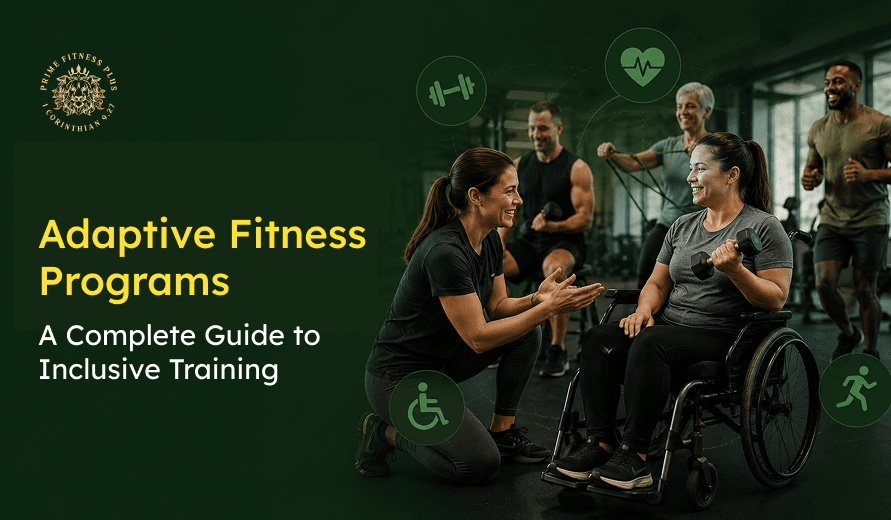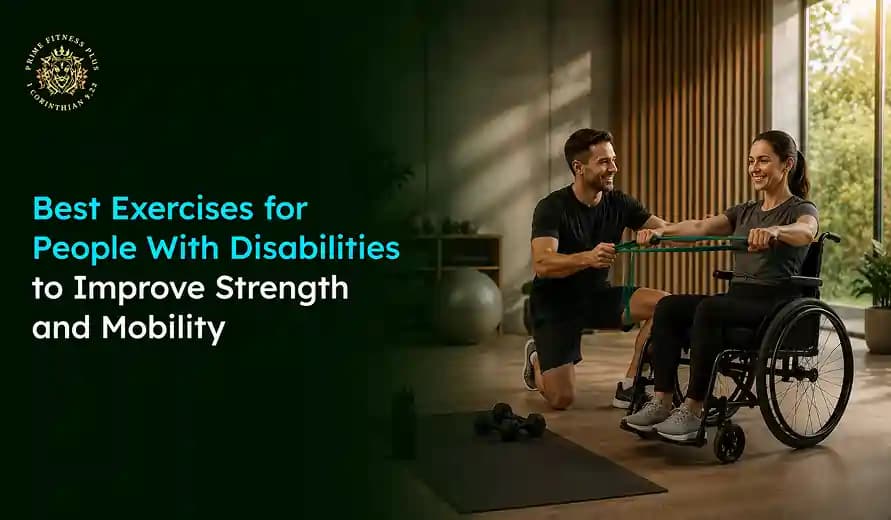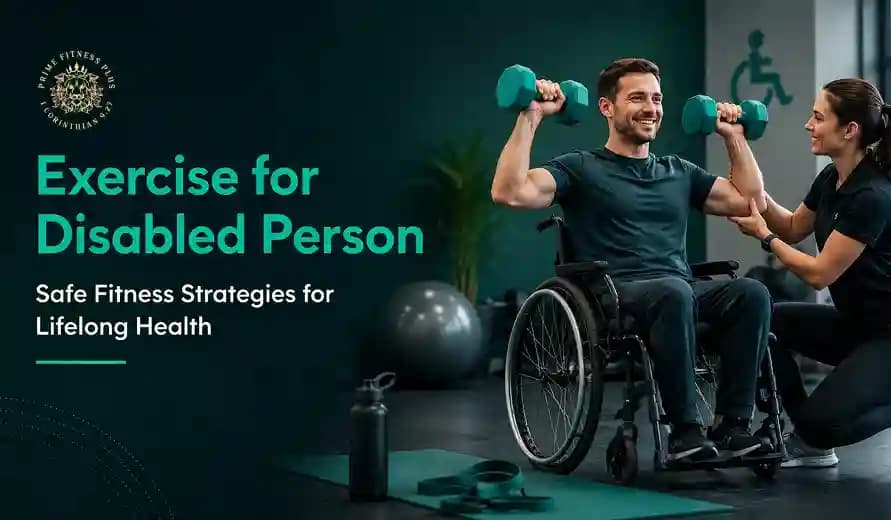
Staying active is important for everyone, regardless of age or physical ability. Exercise for a Disabled Person is not about pushing limits or following difficult workout plans. It is about moving the body in ways that are safe, comfortable, and suited to individual needs. Regular physical activity can support strength, flexibility, balance, heart health, and emotional well-being, helping people stay more independent in everyday life.
Every disability is different, and there is no one-size-fits-all routine. Some people may have limited mobility, while others may live with sensory, neurological, or intellectual disabilities. The right exercise plan depends on personal goals, health conditions, and physical abilities. With guidance from qualified professionals and a gradual approach, many people can enjoy an active lifestyle that fits their daily routine.
Why Exercise for Disabled Persons Matters for Overall Health
Physical activity supports the body in many ways. For people with disabilities, regular movement can make everyday tasks easier and reduce the physical strain often associated with limited mobility. Exercise may also improve posture, joint mobility, and muscle strength, making activities such as walking, transferring, reaching, or lifting less challenging.
Movement also benefits emotional health. Regular activity can help reduce stress, improve mood, and foster a sense of accomplishment. Participating in group sessions or community activities also creates opportunities for social interaction, helping people feel more connected to others.
Additional benefits include:
- Better balance and coordination
- Improved flexibility
- Stronger muscles and bones
- Support for heart and lung health
- Better sleep quality
- Greater confidence during daily activities
The goal is not perfection. Small, consistent steps often yield meaningful progress over time.
Choosing the Right Exercise for a Disabled Person Based on Individual Needs
Every person has different abilities, medical conditions, and personal goals. Before starting any exercise routine, it is important to consult a healthcare provider or a qualified fitness professional. They can recommend activities that match individual abilities and help reduce the risk of injury.
Some factors to consider include:
Type of Disability
Different disabilities may require different exercise approaches.
- Mobility impairments
- Spinal cord injuries
- Cerebral palsy
- Multiple sclerosis
- Parkinson's disease
- Visual impairments
- Hearing impairments
- Intellectual disabilities
Each condition presents different physical considerations, so exercise plans should reflect those needs.
Current Fitness Level
Someone who has not been active for several months should begin with shorter sessions and lower intensity before increasing activity gradually.
Personal Goals
Goals may include:
- Walking longer distances
- Building strength
- Improving flexibility
- Reducing stiffness
- Supporting weight management
- Increasing independence during daily activities
Clear goals help create realistic exercise routines.
Safe Exercise Guidelines Before Getting Started
Safety should always come first. Proper preparation before exercising helps reduce discomfort and supports better movement.
Warm Up Slowly
Spend five to ten minutes warming up with gentle movements before starting more active exercises. A proper warm-up prepares the muscles and joints for movement.
Examples include:
- Gentle shoulder rolls
- Neck stretches
- Slow arm circles
- Easy marching in place
- Controlled breathing exercises
Stay Hydrated
Drink water before, during, and after physical activity, especially in warmer weather or during longer exercise sessions.
Wear Comfortable Clothing
Loose-fitting clothing and supportive footwear can make movement easier and reduce discomfort. People who use wheelchairs should also check their seating position and cushions before exercising.
Listen to Your Body
Mild muscle fatigue is normal, but sharp pain, dizziness, or severe discomfort should never be ignored. If symptoms persist, stop exercising and seek medical advice.
Strength Training for Better Daily Movement
Strength training helps people perform everyday tasks more easily. Building muscle strength may improve lifting, reaching, standing, transferring, and wheelchair mobility.
Strength exercises do not always require heavy gym equipment. Many can be performed using:
- Resistance bands
- Light dumbbells
- Body weight
- Medicine balls
- Household objects
Common strength exercises include:
Seated Arm Press
This exercise strengthens the shoulders and arms.
Steps:
- Sit with good posture.
- Hold light weights.
- Press both arms upward.
- Slowly return to the starting position.
- Repeat 8–12 times.
Resistance Band Rows
This movement strengthens the upper back.
Benefits include:
- Better posture
- Improved shoulder stability
- Greater pulling strength
Leg Extensions
People with partial leg mobility may strengthen their thigh muscles by extending one leg at a time while seated.
Repeat slowly while maintaining proper posture.
These simple exercises are often included in Adaptive Exercise Programs because they can be adjusted to suit different mobility levels without imposing unnecessary stress on the body.
Flexibility Exercises to Reduce Stiffness
Stretching keeps muscles and joints moving comfortably. Flexibility exercises may help reduce tightness from prolonged sitting or limited movement.
Simple stretches include:
Neck Stretch
Gently tilt the head toward one shoulder.
Hold for 15 to 20 seconds before switching sides.
Shoulder Stretch
Bring one arm across the chest and gently pull it towards the chest with the opposite hand.
Hamstring Stretch
While seated, extend one leg forward and slowly lean toward the foot without forcing the movement.
Stretching should always be slow and controlled. Avoid bouncing or forcing joints beyond a comfortable range of motion.
Balance Exercises for Greater Stability
Balance plays a key role in preventing falls and improving confidence while moving.
People with limited mobility can still practice balance safely using support from:
- A sturdy chair
- Parallel bars
- Handrails
- A caregiver
Examples include:
- Standing weight shifts
- Heel-to-toe standing
- Single-leg support with assistance
- Seated balance exercises
Balance exercises should always be performed in a safe environment, with proper supervision if needed.
Walking and Cardiovascular Activities
Cardiovascular exercise supports heart and lung health and improves stamina.
Depending on individual abilities, suitable activities may include:
- Walking
- Wheelchair rolling
- Stationary cycling
- Arm ergometers
- Water-based exercise
- Light dancing
- Seated aerobics
Start with 10 to 15 minutes and gradually increase the duration as comfort improves.
Many community centres also offer Inclusive Fitness Programs, where trained instructors guide participants through activities tailored to different physical abilities. These programs provide a supportive setting for people who prefer exercising with others.
Chair-Based Workouts for Limited Mobility
Not everyone can stand for long periods, but that does not mean physical activity is out of reach. Chair Exercises for Disabled Adults offer a practical way to improve strength, flexibility, and circulation while remaining seated.
Common chair exercises include:
- Seated marching
- Arm raises
- Shoulder presses
- Leg lifts
- Seated torso twists
- Ankle circles
These exercises can often be done at home with minimal equipment, making them suitable for daily routines. They are especially helpful for individuals recovering from illness, managing chronic conditions, or using mobility aids.
Building a Weekly Exercise Routine
Creating a simple weekly routine helps make physical activity a regular habit. The plan should align with individual abilities, daily schedules, and medical advice. Rest days are as important as workout days because they allow the body to recover.
Here is an example of a balanced weekly schedule:
| Day | Activity |
| Monday | Light strength exercises and stretching |
| Tuesday | Walking, wheelchair rolling, or seated cardio |
| Wednesday | Flexibility and balance exercises |
| Thursday | Strength exercises with resistance bands |
| Friday | Cardio activity and gentle stretching |
| Saturday | Recreational activity such as swimming or light sports |
| Sunday | Rest or gentle movement |
The schedule does not have to be followed exactly. The goal is to stay active most days of the week without overworking the body.
How Exercise for Disabled Persons Can Support Daily Independence
One of the biggest benefits of regular movement is greater independence. Stronger muscles and improved coordination can make everyday tasks easier.
Activities that may become more manageable include:
- Getting in and out of a chair
- Reaching shelves safely
- Carrying light household items
- Walking short distances
- Using mobility equipment
- Climbing small steps when appropriate
- Maintaining better posture while sitting
Small improvements in physical ability often make daily routines feel less exhausting.
Common Mistakes to Avoid
Starting an exercise routine is exciting, but avoiding common mistakes helps prevent unnecessary setbacks.
Doing Too Much Too Soon
Many people get motivated and try to exercise for long periods in the first week. Starting slowly allows the body to adjust safely.
Skipping Warm-Ups
Warm muscles move more comfortably than cold ones. A few minutes of gentle movement before exercise can reduce stiffness.
Ignoring Pain
Normal muscle soreness is distinct from sharp or persistent pain. Pain should never be ignored.
Comparing Yourself to Others
Every disability is different. Progress should be measured against personal goals rather than someone else's achievements.
Inconsistent Exercise
Being active only once every few weeks provides little benefit. A simple routine followed regularly is usually a better choice.
The Importance of Professional Guidance
Some people can begin exercising safely on their own, while others may need additional support. Qualified fitness professionals know how to modify exercises for different physical abilities.
Many specialists offer Adaptive Fitness Training that emphasises safe movement patterns, proper technique, and gradual progression. This approach helps people exercise with greater confidence while respecting their physical limitations.
Working with trained professionals can also help identify exercises that should be avoided due to certain medical conditions.
Making Exercise Part of Everyday Life
Exercise does not always have to happen in a gym. Many daily activities also involve movement.
Simple ideas include:
- Stretching after waking up
- Taking short walks during the day
- Practising seated exercises while watching television
- Gardening if mobility allows
- Playing active games with family
- Performing light household chores safely
- Using resistance bands during short breaks
Choosing enjoyable activities makes it easier to stay consistent.
Nutrition and Hydration Support Physical Activity
Healthy eating complements exercise. The body needs sufficient nutrients to support muscles, bones, and overall health.
General recommendations include:
- Eating a variety of fruits and vegetables
- Choosing lean protein sources
- Including whole grains
- Drinking enough water throughout the day
- Limiting highly processed foods and sugary drinks
People with medical conditions or special dietary needs should follow the advice of their healthcare provider or registered dietitian.
Mental and Social Benefits of Staying Active
Physical activity benefits more than muscles and joints. Many people notice positive changes in their emotional well-being after becoming more active.
Possible benefits include:
- Lower stress levels
- Better mood
- Improved confidence
- More social interaction
- Greater sense of independence
- Increased participation in community activities
Some people also enjoy joining Fitness for Adults with Disabilities classes offered by community centres, rehabilitation facilities, or local wellness organisations. Exercising alongside others can encourage and help build lasting friendships.
Finding the Right Environment
The place where someone exercises can influence comfort and confidence.
Look for locations that offer:
- Wheelchair-accessible entrances
- Accessible parking
- Wide exercise spaces
- Adaptive equipment
- Knowledgeable instructors
- Clean and safe surroundings
Many local recreation centres now offer classes for people with different physical abilities, making regular participation easier.
Staying Motivated
Motivation naturally changes over time, but simple habits can help people keep exercising.
Helpful ideas include:
- Setting realistic goals
- Recording weekly progress
- Celebrating small achievements
- Exercising with a family member or friend
- Trying different activities to avoid boredom
- Following a consistent schedule
Missing one workout should not derail the entire routine. Simply return to the next planned session.
Final Words
Choosing Exercise for a disabled person as part of a regular lifestyle is one of the most practical steps toward better physical and emotional well-being. Safe movement can support strength, flexibility, balance, heart health, and greater independence in everyday activities. Progress does not depend on intense workouts or complicated routines. Small, consistent efforts tailored to individual abilities often yield lasting results. By following medical guidance, exercising safely, and staying consistent, people with disabilities can enjoy an active lifestyle that supports long-term health and a better quality of life.