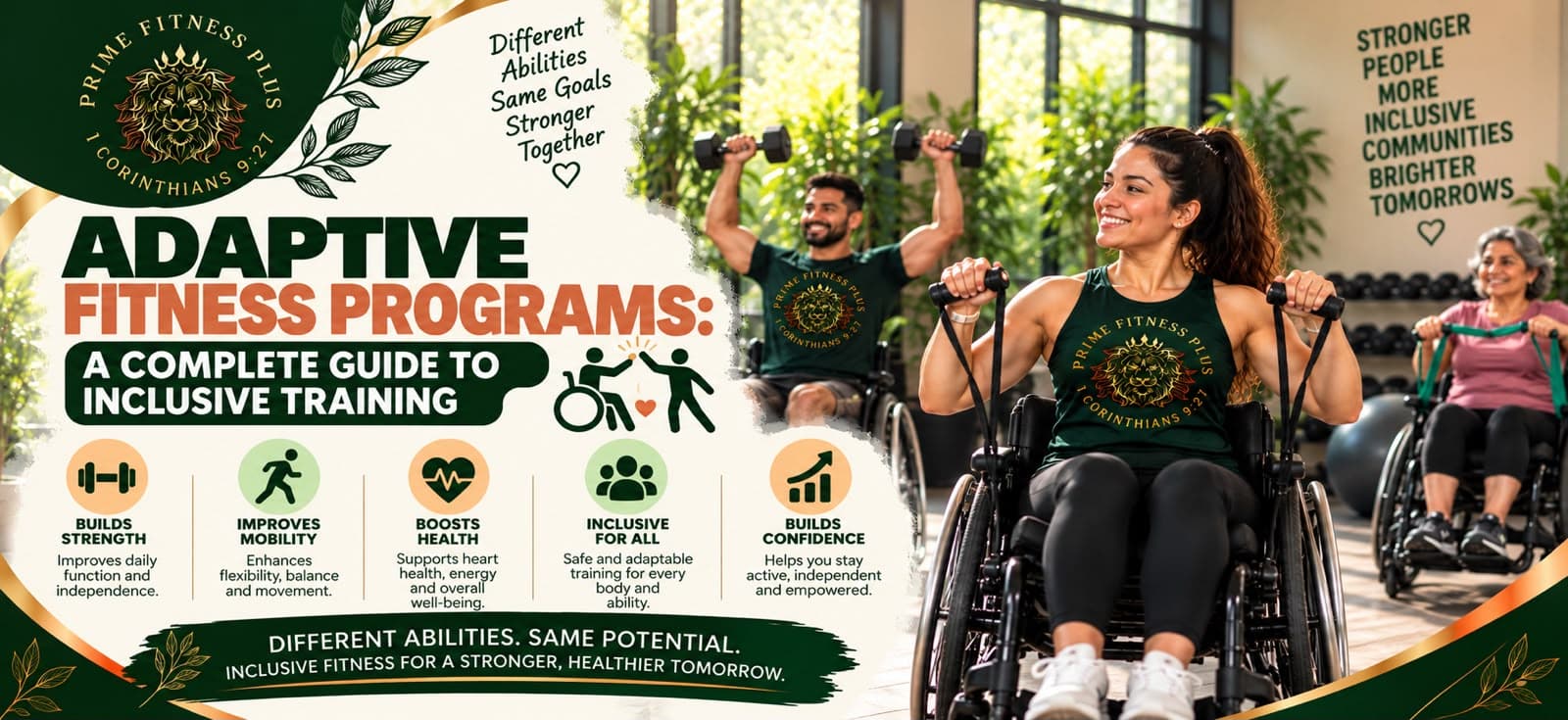
Shoulder pain is one of the most common concerns among people who rely on a wheelchair every day. Exercises for Wheelchair Users can help keep the shoulders strong, improve flexibility, and support comfortable movement during daily activities. Since the shoulders handle wheelchair propulsion, transfers, lifting, and reaching, they experience repeated stress that may lead to discomfort over time. Following a regular wheelchair exercise routine, practising good posture, and paying attention to body mechanics can reduce unnecessary strain. This guide explains why shoulder pain develops, which movements help support healthy shoulders, and the daily habits that can make everyday life easier.
Why Exercises for Wheelchair Users Help Protect the Shoulders
The shoulder is one of the most mobile joints in the human body. Because it moves in several directions, it relies heavily on muscles, tendons, and ligaments for support. For wheelchair users, these structures are almost constantly engaged throughout the day.
Common reasons for shoulder pain include:
- Repeated wheelchair propulsion
- Frequent transfers between a wheelchair, bed, or vehicle
- Poor sitting posture
- Weak shoulder and upper back muscles
- Tight chest muscles
- Reaching too far for everyday objects
- Skipping stretching after daily activities
Small aches should never be ignored. Addressing discomfort early through regular movement and proper strengthening can help prevent shoulder pain from becoming a long-term problem.
Benefits of Regular Shoulder Exercises
A balanced exercise program offers many benefits for wheelchair users. Strengthening the muscles around the shoulder improves joint support and makes everyday movements more comfortable.
Some important benefits include:
- Better shoulder stability
- Greater range of motion
- Stronger upper back and arm muscles
- Less muscle tightness
- Improved posture
- Easier wheelchair propulsion
- Better comfort during transfers
- Greater confidence during daily movement
The goal is not heavy lifting. The focus is on keeping the shoulders prepared for the demands of everyday life.
Warm Up Before Exercising
Never start strengthening exercises with cold muscles.
Spend five to ten minutes warming up your upper body before starting your workout.
Simple warm-up ideas include:
- Slow shoulder circles
- Gentle arm swings
- Neck rotations
- Deep breathing
- Easy wheelchair pushes at a comfortable pace
A proper warm-up increases blood flow, loosens the joints, and prepares the muscles for activity.
Exercises for Wheelchair Users for Better Shoulder Strength
The following shoulder exercises for wheelchair users aim to build strength while protecting the joints.
Exercise 1: Shoulder Blade Squeezes
Many wheelchair users spend long hours with their shoulders rounded forward. Shoulder blade squeezes activate the muscles that support good posture.
How to do it
- Sit upright.
- Relax your shoulders.
- Pull your shoulder blades gently toward each other.
- Hold for five seconds.
- Slowly relax.
Repeat 10 to 15 times.
Avoid lifting your shoulders toward your ears during the movement.
Exercise 2: Resistance Band Rows
Rows strengthen the upper back, helping support the shoulder joint during daily activities.
Steps
- Secure a resistance band.
- Hold one end in each hand.
- Pull your elbows backwards.
- Keep your shoulders relaxed.
- Slowly return to the starting position.
Complete two or three sets of 10 repetitions.
Choose a light resistance band if you are new to this exercise.
Exercise 3: External Shoulder Rotation
This movement strengthens the rotator cuff muscles that stabilise the shoulder joint.
Instructions
- Keep your elbow close to your side.
- Bend the elbow at a 90-degree angle.
- Hold the resistance band.
- Rotate your forearm outward.
- Return slowly to the starting position.
Repeat 10 to 12 times on each side.
Move slowly and remain in control throughout each repetition.
Exercise 4: Shoulder Flexion
This exercise builds strength for reaching tasks that are part of everyday life.
Steps
- Hold a light dumbbell or resistance band.
- Raise one arm forward until shoulder height.
- Pause briefly.
- Lower slowly.
Perform 8 to 12 repetitions.
Reduce the range of motion if discomfort increases.
Exercise 5: Lateral Arm Raises
Side raises strengthen the muscles around the shoulder and upper arm.
Instructions
- Hold light weights.
- Raise both arms to shoulder height.
- Pause briefly.
- Lower with control.
Start with light resistance.
Good movement quality is far more important than lifting heavier weights.
Exercise 6: Chest Stretch
Tightened chest muscles often pull the shoulders forward, increasing pressure on the joints.
How to stretch
- Sit upright.
- Place your hands behind your head or against a doorway if available.
- Open your chest gently.
- Hold for 20 to 30 seconds.
Repeat two or three times.
Stretch only until you feel mild tension.
Exercise 7: Upper Trapezius Stretch
This stretch reduces tightness in the neck and upper shoulders.
Steps
- Sit comfortably.
- Tilt your head toward one shoulder.
- Apply gentle pressure using your hand.
- Hold for 20 seconds.
- Repeat on the opposite side.
Avoid pulling too hard.
Exercise 8: Cross-Body Shoulder Stretch
This stretch improves flexibility and helps preserve shoulder mobility.
Directions
- Bring one arm across your chest.
- Hold the arm with your opposite hand.
- Pull gently until you feel a comfortable stretch.
- Hold for 20 to 30 seconds.
Repeat on both sides.
Exercise 9: Seated Push-Ups
This exercise builds upper-body strength, supporting safer transfers.
How to perform
- Place both hands on the wheelchair armrests.
- Press downward.
- Lift your body slightly if possible.
- Hold for two to three seconds.
- Lower carefully.
Repeat five to ten times.
Perform this movement only if your healthcare provider approves it.
Exercise 10: Wrist and Forearm Mobility
Healthy wrists reduce unnecessary stress on the shoulders while propelling a wheelchair.
Try these movements:
- Wrist circles
- Wrist flexion stretches
- Wrist extension stretches
- Gentle forearm rotations
After finishing your shoulder routine, spend two or three minutes on wrist mobility.
How Often Should Wheelchair Users Exercise?
Most people benefit from chair exercises and shoulder-strengthening two to four days each week.
Stretching may be done daily if comfortable.
Allow sufficient recovery time between strengthening sessions so the muscles can rest and recover.
Consistently doing shorter workouts usually produces better results than exercising for long periods only once in a while.
Tips to Protect Your Shoulders During Daily Activities
Exercise is only one part of shoulder care. Daily habits also play a major role in reducing joint stress and helping you stay comfortable throughout the day.
Maintain Good Sitting Posture
Sit upright with your shoulders relaxed and your back supported whenever possible. Avoid leaning forward for extended periods, as this increases pressure on the shoulders and upper back.
A properly fitted wheelchair also supports better posture and reduces unnecessary strain.
Push the Wheelchair Smoothly
Long, forceful pushes can place extra pressure on the shoulder joints. Smooth, controlled strokes are generally easier on the muscles and help reduce fatigue.
Limit Reaching Overhead
Whenever possible, store frequently used items within comfortable reach. Repeated overhead reaching can place extra stress on the shoulder joint and surrounding muscles.
Take Short Movement Breaks
If you remain seated for several hours, take regular breaks to roll your shoulders, stretch your arms, and change your sitting position. These short breaks help reduce muscle stiffness.
Use Proper Transfer Techniques
Incorrect transfer techniques can place excessive force on the shoulders. If transfers feel difficult or painful, ask a rehabilitation professional to review your technique.
Signs That You Should Stop Exercising
Mild muscle soreness after activity is common, especially when starting a new routine. However, certain symptoms should never be ignored.
Stop exercising and seek medical advice if you notice:
- Sharp shoulder pain
- Swelling around the joint
- Sudden weakness
- Clicking or popping with pain
- Pain that continues for several days
- Difficulty moving the shoulder normally
Listening to your body is one of the best ways to protect your joints.
Nutrition Also Supports Joint Health
Exercise works best when paired with healthy eating habits.
A balanced meal plan should include:
- Lean protein
- Fresh fruits
- Vegetables
- Whole grains
- Healthy fats
- Plenty of water
Maintaining a healthy body weight can also make transfers and everyday movements easier while placing less stress on the upper body.
Common Mistakes to Avoid
Many people unintentionally worsen shoulder discomfort by following poor exercise habits.
Some common mistakes include:
- Skipping the warm-up
- Using weights that are too heavy
- Exercising through pain
- Poor posture during workouts
- Forgetting to stretch
- Moving too quickly during each repetition
- Not allowing enough recovery time
Slow, controlled movements usually yield better results than rushing through an exercise session.
Building a Weekly Wheelchair Exercise Routine
Following a simple schedule makes it easier to stay consistent. A balanced wheelchair exercise routine gives your muscles time to recover while keeping your shoulders active.
Monday
- Warm-up
- Shoulder blade squeezes
- Resistance band rows
- Chest stretch
Wednesday
- External shoulder rotation
- Shoulder flexion
- Wrist mobility
- Upper trapezius stretch
Friday
- Lateral arm raises
- Seated push-ups
- Cross-body shoulder stretch
- Cool down
Gentle stretching can also be added on other days if it feels comfortable.
When to Work With a Fitness Professional
Some shoulder problems require individual guidance. A qualified adaptive fitness trainer or physical therapist can recommend adaptive exercises for wheelchair users, tailored to your mobility level, daily activities, and personal goals.
Professional guidance may be helpful if you:
- Recently started using a wheelchair
- Have ongoing shoulder discomfort
- Are recovering after surgery
- Need safer transfer techniques
- Want a structured exercise program
Receiving proper instruction can help you perform movements safely while reducing unnecessary stress on your joints.
Final Thoughts
Keeping your shoulders healthy is one of the most important aspects of maintaining independence as a wheelchair user. Exercises for Wheelchair Users, combined with proper posture, regular stretching, smart transfer techniques, and healthy daily habits, can help prevent shoulder pain and support comfortable movement throughout the day.
Start with simple movements, stay consistent, and pay attention to how your body responds. If discomfort persists or worsens, seek advice from a healthcare professional or an adaptive fitness specialist. Small, regular steps can help protect your shoulders and support an active lifestyle for years to come.