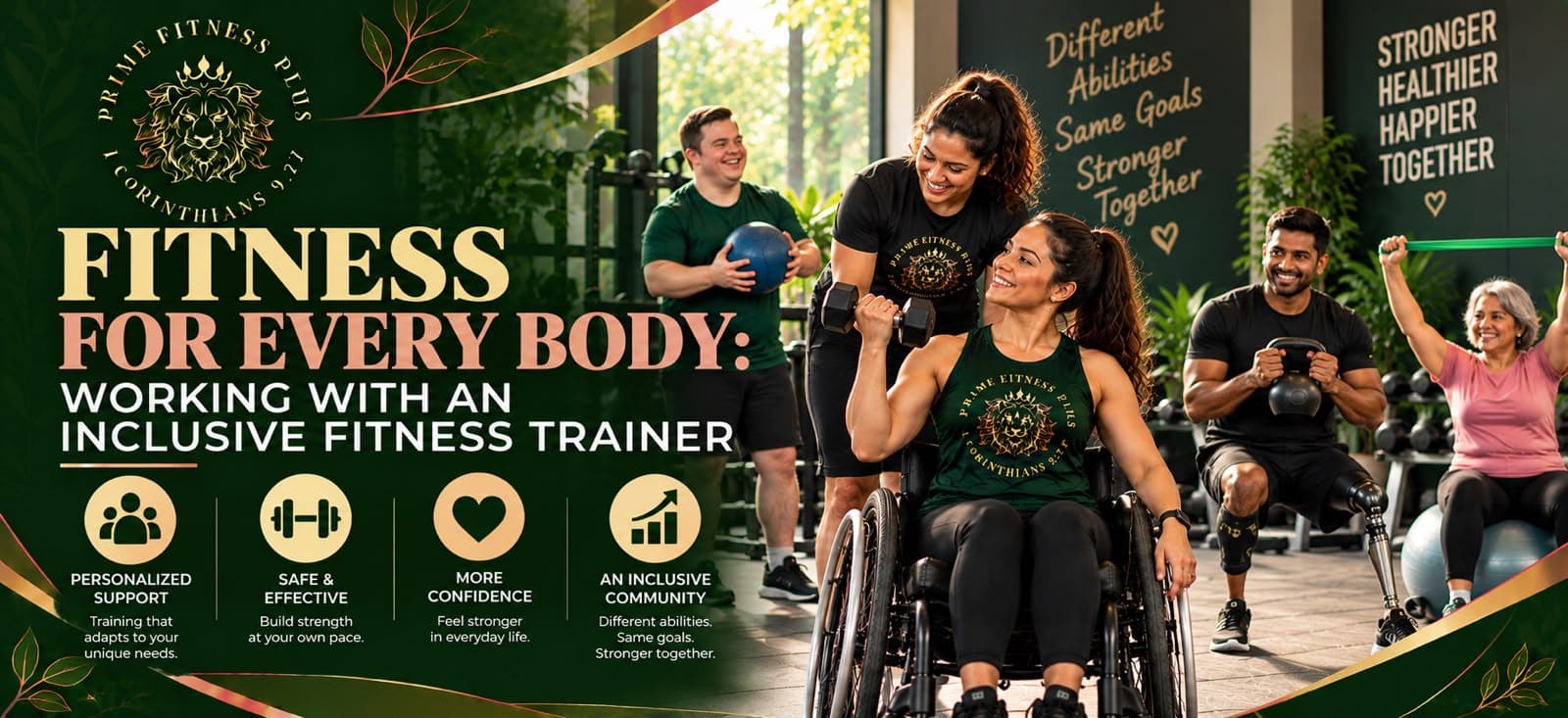
Fitness should not be limited to people who fit a certain image of strength, mobility, age, body size, or physical ability. Every person deserves the opportunity to move, build strength, support their health, and participate in physical activity in ways that respect their individual needs. This is where working with an inclusive fitness trainer can make a meaningful difference.
An inclusive approach to fitness recognises that people start from different places. Some individuals may live with physical, developmental, sensory, or neurological disabilities. Others may be recovering from an injury, managing limited mobility, living with a chronic condition, or returning to exercise after a long break. A supportive trainer understands that there is no single definition of what a fit body should look like.
What Is an Inclusive Fitness Trainer?
An inclusive fitness trainer is a fitness professional who works with people across a wide range of abilities, mobility levels, and physical needs. Their approach focuses on making exercise accessible rather than expecting every client to perform movements in the same way.
The exercise may look different, but the purpose can remain similar.
Inclusive fitness training may involve:
- Strength and resistance exercises
- Cardiovascular activity
- Balance and coordination work
- Flexibility and mobility exercises
- Chair-based workouts
- Wheelchair fitness
- Adaptive exercise
- Functional movement for daily activities
- General physical conditioning
A good trainer focuses on the person's current abilities, goals, movement patterns, and comfort level. Progress is measured against the individual rather than against someone else.
Why Work With an Inclusive Fitness Trainer?
Many people face barriers to participating in traditional fitness programs. These barriers can include inaccessible facilities, equipment that does not accommodate different body types or mobility needs, a lack of trainer knowledge, and exercise programs that assume everyone can move in the same way.
This can leave people feeling that fitness spaces were not created for them.
Working with an inclusive fitness trainer can offer a more welcoming approach. Instead of expecting a person to fit into a standard workout, the trainer tailors exercises to the person's abilities, goals, and physical needs.
Physical activity can support many areas of daily life. Depending on the individual, regular exercise may help support:
- Muscle strength
- Joint movement
- Balance
- Cardiovascular health
- Physical stamina
- Coordination
- Posture
- Confidence with movement
- Independence in daily activities
For many people, fitness is about more than exercise. It can provide structure, social connection, a sense of accomplishment, and an opportunity to focus on what the body can do.
How an Inclusive Fitness Trainer Supports Different Abilities
An inclusive fitness trainer understands that people may need different forms of instruction, equipment, support, or exercise modifications.
For some individuals, this may involve seated exercises. For others, it may involve wheelchair-based movement, balance support, resistance training, or adjustments to the pace and intensity of an activity.
The trainer begins by assessing the person's current ability level and personal goals.
This may include questions such as:
- What movements feel comfortable?
- What activities are difficult?
- What are the person's fitness goals?
- Are there mobility or balance considerations?
- What type of equipment is available?
- Does the person need additional physical support?
- Are there movements that should be avoided or adjusted?
This approach allows exercise to be tailored to the individual rather than to a fixed workout format.
Who Can Benefit From an Adaptive Fitness Trainer?
An Adaptive fitness trainer may support people with a wide range of physical abilities and exercise needs. A person does not need to identify as an athlete or have prior gym experience to begin.
This type of training may be helpful for people with:
- Physical disabilities
- Mobility limitations
- Wheelchair use
- Developmental disabilities
- Intellectual disabilities
- Autism spectrum differences
- Sensory disabilities
- Neurological conditions
- Balance limitations
- Limited range of motion
- Age-related changes in mobility
- Previous injuries or long periods of inactivity
An adaptive fitness trainer may also work with older adults who want to remain active and with individuals who feel uncomfortable or overlooked in traditional fitness settings.
However, trainers have different qualifications and areas of expertise. Before starting a program, it is important to discuss your needs and ask whether the trainer has experience working with clients who have similar goals or physical considerations.
Personal Trainer for People With Disabilities: What to Expect
A personal trainer for people with disabilities understands that disability does not mean everyone has the same exercise needs. Two people with the same diagnosis may have different mobility levels, goals, strengths, and preferences.
For this reason, training should begin with a conversation.
The trainer may ask about:
- Previous exercise experience
- Personal goals
- Preferred forms of activity
- Physical limitations
- Pain or discomfort during movement
- Communication preferences
- Environmental needs
- Equipment preferences
The client should also feel comfortable speaking up during a session. If an exercise causes unusual pain, discomfort, dizziness, or any other concerning symptom, the activity should be stopped, and appropriate medical guidance should be sought as needed.
A personal trainer for people with disabilities should prioritise respectful communication and avoid making assumptions about what a client can or cannot do.
Adaptive Exercise Training for Everyday Movement
Adaptive exercise training involves tailoring activities so that people can participate according to their current abilities and needs.
The adjustment may involve changing the exercise position, the equipment, the resistance level, the range of motion, or the level of physical support.
For example, a standing exercise may be performed while seated. Free weights may be replaced with resistance bands. A movement that requires significant balance may be performed with support from a stable surface.
The purpose of the exercise can remain the same even if the movement looks different.
Many people also have goals connected to everyday activities. They may want to:
- Stand more comfortably from a chair
- Improve strength for transfers
- Move a wheelchair with greater comfort
- Carry groceries
- Improve walking confidence
- Maintain mobility
- Participate in recreational activities
- Build general strength and stamina
Adaptive exercise training can focus on movements that relate to these personal goals.
Inclusive Personal Training and Individual Goals
Inclusive personal training recognises that progress does not look the same for everyone.
For one person, progress may mean lifting heavier resistance. For another, it may mean completing an exercise with less assistance, moving with greater confidence, exercising for longer, or maintaining a routine.
This can help answer important questions:
- Which movements feel comfortable?
- What type of support is needed?
- Which exercises are appropriate as a starting point?
- What equipment can be used?
- What goals matter most to the client?
Starting at an appropriate level helps the trainer and client understand how the body responds to activity.
Inclusive personal training can also change over time. As a person's strength, confidence, mobility, or goals change, the exercise routine may need adjustments.
Fitness Trainer for Disabilities and Functional Exercise
A fitness trainer for disabilities may use exercises that support strength, mobility, balance, and everyday physical activities.
The focus is not merely on completing a set number of repetitions or copying a standard gym workout. The exercises should have a clear purpose aligned with the person's goals.
Chair-based exercises may include:
- Seated marching
- Seated leg extensions
- Resistance band rows
- Seated chest presses
- Overhead reaches
- Seated punches
Cardiovascular activities may include:
- Wheelchair movement
- Arm cycling
- Seated boxing movements
- Walking
- Supported stepping
- Low-impact movement patterns
- Adaptive group exercise
Balance and coordination activities may include weight shifting, supported standing, reaching, controlled stepping, or seated coordination exercises.
A fitness trainer for people with disabilities should consider safety and the person's current movement ability when selecting exercises.
Accessible Personal Training and the Fitness Environment
Accessible personal training is not only about changing exercises. The fitness environment also plays a key role.
An accessible setting may include:
- Clear pathways
- Adequate space for mobility devices
- Adjustable or adaptable equipment
- Seating and rest areas
- Accessible entry points
- A respectful and welcoming atmosphere
Accessibility also includes communication and behaviour.
Clients should not feel pressured to repeatedly explain or defend their needs. Trainers and staff should communicate respectfully and seek permission before providing physical assistance.
How to Choose the Right Trainer
Finding the right trainer involves more than just checking certifications or years of experience.
It is helpful to ask direct questions before beginning.
Consider asking:
- Do you have experience working with people whose needs are similar to mine?
- What types of adaptive exercises do you use?
- How do you adjust exercises when a movement is not appropriate?
- What equipment is available for different mobility levels?
- How do you communicate with clients about discomfort or physical limitations?
- Can you work alongside recommendations from healthcare or rehabilitation professionals when appropriate?
- What does a typical first session involve?
- Do you offer in-person, virtual, or community-based training?
The answers can help you determine whether the trainer's approach suits your needs.
A qualified professional should be honest about their experience. If a person's needs fall outside their area of training, they should recognise their limits and recommend appropriate support.
Why Inclusive Fitness Is Important for Communities
Inclusive fitness can benefit individuals, families, communities, and fitness organisations alike.
For individuals, it can create more opportunities to participate in physical activity. For families and caregivers, it may offer additional support and resources. For fitness businesses, accessible services can help reach communities that have often been overlooked.
The demand for disability-inclusive and adaptive fitness services also creates opportunities for fitness professionals and organisations to reach a broader range of clients.
Fitness Is Not About One Type of Body
One of the biggest misconceptions about fitness is that there is a single, correct image of a healthy or active person.
In reality, people move differently.
A person's age, disability, injury history, body size, mobility, and life experiences can affect how they participate in exercise. Inclusive fitness recognises these differences without treating them as grounds for excluding anyone from physical activity.
Final Words
Fitness should be accessible to people of different ages, abilities, body types, and mobility levels. Working with an inclusive fitness trainer can provide a supportive path to physical activity by tailoring exercises, respecting individual needs, and focusing on goals that matter to the client.
Whether a person uses a wheelchair, has limited mobility, lives with a disability, or simply feels that traditional fitness programmes do not meet their needs, there are many ways to participate in physical activity.