Introduction
Ageing is a natural part of life, but how well you move, feel, and function as you age depends largely on the habits you build today. Many people focus on fitness goals such as weight loss or muscle gain, yet long-term health involves much more than physical appearance. The ability to move comfortably, stay active, and remain independent is what truly matters over time.
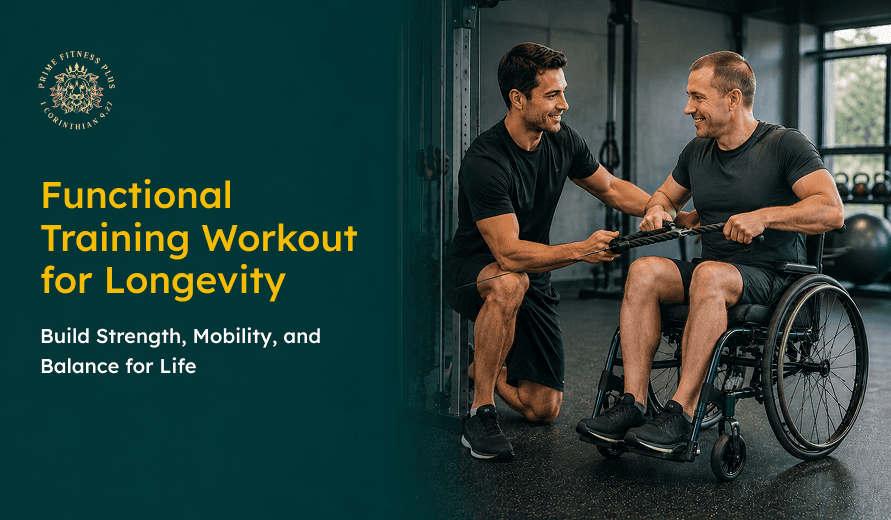
A Functional Training Workout is one of the most practical ways to support long-term health. Rather than focusing on individual muscles, this training style improves the movement patterns used every day. Whether you are lifting groceries, climbing stairs, carrying children, or getting up from a chair, functional movements help your body perform these tasks more easily.
Many fitness professionals consider Functional Fitness an essential part of maintaining physical ability throughout life. By improving strength, mobility, balance, and coordination, functional training helps people remain active and confident as they age.
Living longer is valuable, but living well is even more important. A structured Workout for Longevity can help maintain physical function, reduce limitations, and support an active lifestyle for years.
What Is Functional Training?
Functional training focuses on exercises that mimic movements commonly performed in daily life. Rather than training muscles separately, it trains multiple muscle groups to work together as a coordinated system.
Daily activities often involve bending, reaching, pushing, pulling, squatting, twisting, and carrying. Functional workouts strengthen the body by targeting these natural movement patterns.
Some common Functional Training Exercises include:
- Squats
- Lunges
- Push-ups
- Step-ups
- Deadlifts
- Farmer’s carries
- Planks
- Resistance band rows
- Medicine ball rotations
Unlike many machine-based workouts that isolate specific muscles, functional training develops movement quality and total-body strength. This approach improves performance both inside and outside the gym.
Why a Functional Training Workout Supports Longevity
As people age, muscle mass naturally declines, joints may become less mobile, and balance often becomes more challenging. Without regular exercise, these changes can limit daily activities and reduce independence.
A well-designed Functional Training Workout addresses many of these concerns by supporting the physical abilities needed throughout life.
Preserves Muscle Strength
Maintaining muscle strength becomes increasingly important as we age. Strong muscles support movement, protect joints, and make everyday activities easier.
Regular Functional Strength Training helps maintain muscle mass while improving the body's ability to perform everyday tasks. Activities such as carrying shopping bags, lifting household items, and climbing stairs become easier when strength is maintained.
Improves Joint Mobility
Mobility is a joint’s ability to move through its full range of motion. Restricted movement can affect comfort and reduce overall physical performance.
Functional exercises promote controlled movement patterns that help keep joints mobile and healthy. Improved mobility allows the body to move more freely during daily activities.
Supports Balance and Stability
Balance plays a major role in maintaining independence later in life. Poor balance increases the risk of falls and injuries.
Functional training often includes mobility and balance exercises that improve body awareness, coordination, and stability. These skills are essential for safe movement and confident daily activity.
Promotes Better Posture
Modern lifestyles often involve long hours of sitting, driving, and using electronic devices. These habits can lead to poor posture and muscle imbalances.
Functional movements strengthen the muscles that support proper alignment, helping reduce strain on the neck, shoulders, and lower back.
Encourages Better Movement Patterns
Many injuries result from poor movement habits. Repeatedly lifting, bending, or twisting incorrectly can strain muscles and joints.
Functional training teaches the body to move more efficiently, helping reduce unnecessary strain in everyday activities.
Key Components of a Functional Training Workout
A complete Functional Training Workout should include several key elements. Together, these components support long-term physical health and overall performance.
Strength Training
Strength is the foundation of healthy movement. Without adequate strength, routine tasks can become difficult over time.
Recommended exercises include:
- Bodyweight squats
- Goblet squats
- Deadlifts
- Push-ups
- Resistance band rows
- Step-ups
Performing Functional Strength Training exercises two to four times per week can help maintain muscle mass and support daily movement.
Mobility Training
Mobility training helps maintain joint health and comfortable movement patterns.
Examples include:
- Hip circles
- Arm circles
- Ankle mobility drills
- Dynamic stretching
- Thoracic spine rotations
A few minutes of mobility work each day can improve movement quality and reduce stiffness.
Mobility and Balance Exercises
Balance and coordination become increasingly important with age. Regularly practicing Mobility and Balance Exercises can improve stability and body control.
Examples include:
- Single-leg stands
- Heel-to-toe walking
- Step-over drills
- Controlled balance holds
These movements strengthen stabilizing muscles and improve confidence during daily activities.
Core Stability
The core comprises the muscles of the abdomen, hips, pelvis, and lower back. These muscles support nearly every movement the body makes.
Useful core exercises include:
- Planks
- Bird dogs
- Dead bugs
- Side planks
- Pallof presses
A strong core improves posture, movement control, and spinal support.
Cardiovascular Conditioning
Heart health is an important part of longevity. Functional fitness programs should also include activities that improve cardiovascular endurance.
Good options include:
- Brisk walking
- Cycling
- Swimming
- Hiking
- Rowing
- Circuit training
Regular cardiovascular activity improves stamina and supports overall health.
Sample Functional Training Workout for Longevity
The following routine integrates strength, mobility, balance, and endurance into a practical Workout for Longevity.
Warm-Up (5–10 Minutes)
- Arm circles – 30 seconds
- Hip circles – 30 seconds
- Leg swings – 30 seconds each side
- Marching in place – 2 minutes
- Bodyweight squats – 10 repetitions
Main Workout
1. Bodyweight Squats
- 3 sets of 12 repetitions
2. Reverse Lunges
- 3 sets of 10 repetitions per leg
3. Push-Ups
- 3 sets of 8–12 repetitions
4. Resistance Band Rows
- 3 sets of 12 repetitions
5. Farmer’s Carry
- 3 rounds of 30–60 seconds
6. Single-Leg Balance Hold
- 3 rounds of 20–30 seconds per side
7. Plank
- 3 rounds of 30–60 seconds
This routine includes several foundational Functional Training Exercises that can be adjusted based on age, experience level, and fitness goals.
For best results, focus on proper form, controlled movement, and consistent practice. Over time, these exercises build strength, mobility, and coordination that support everyday life and long-term physical well-being.
Common Functional Training Mistakes to Avoid
Functional training offers many benefits, but certain mistakes can hinder progress and increase the risk of injury. Paying attention to proper exercise habits helps you get the most from your workouts.
Skipping the Warm-Up
Many people jump directly into exercise without properly preparing their bodies. Muscles and joints perform better when they are gradually prepared for movement.
A proper warm-up increases blood flow, improves flexibility, and prepares the body for more demanding activities. Even five to ten minutes of warm-up can make workouts safer and more productive.
Using Excessive Weight
Functional training focuses on movement quality rather than lifting the heaviest possible load.
When resistance becomes too heavy, form often suffers. Poor movement mechanics can place unnecessary stress on joints and muscles. Start with manageable resistance and focus on proper technique before increasing the weight.
Ignoring Mobility Training
Strength is important, but mobility should never be overlooked.
Many people develop strong muscles while their joints become increasingly restricted. Maintaining mobility supports better movement and reduces stiffness over time.
Neglecting Balance Work
Balance training may seem simple, but it becomes more important with age.
Regular balance practice helps improve stability, coordination, and confidence during daily activities.
Overlooking Recovery
Exercise places stress on the body. Recovery allows muscles and connective tissues to repair and adapt.
Adequate sleep, hydration, proper nutrition, and rest days are essential to a successful fitness routine.
Functional Training for Different Age Groups
One of the greatest strengths of functional training is its adaptability. Exercises can be modified to suit different ages, fitness levels, and physical abilities.
Adults in Their 30s and 40s
Many adults spend long hours sitting at work, commuting, and on digital devices. These habits can contribute to muscle weakness, poor posture, and reduced mobility.
Functional training helps:
- Maintain muscle mass
- Improve posture
- Support joint health
- Reduce stiffness
- Build a strong foundation for future health
Adults in Their 50s
Physical changes often become more noticeable during this stage of life. Strength, mobility, and balance require more attention.
Regular exercise supports Healthy Aging Fitness by helping individuals maintain independence and physical function.
Benefits include:
- Better balance
- Stronger muscles
- Improved bone health
- Greater confidence during movement
- Better overall function
Adults Over 60
Maintaining independence is a major priority for many older adults.
Functional exercises can help preserve:
- Walking ability
- Stability
- Joint mobility
- Daily strength
- Quality of life
Consistent movement remains one of the most important factors in Healthy Aging Fitness at any age.
Weekly Functional Training Plan for Long-Term Health
A balanced schedule provides sufficient exercise while allowing adequate recovery.
Monday – Full-Body Strength Session
- Squats
- Push-ups
- Resistance band rows
- Farmer's carries
- Planks
Tuesday – Mobility and Walking
- Dynamic stretching
- Joint mobility drills
- Brisk walking for 30–45 minutes
Wednesday – Strength and Balance Training
- Lunges
- Step-ups
- Resistance band work
- Single-leg balance holds
- Core exercises
Thursday – Active Recovery
- Gentle stretching
- Walking
- Mobility drills
Friday – Functional Circuit Training
Combine several Functional Training Exercises into a circuit with short rest periods between rounds.
Saturday – Recreational Activity
Choose an enjoyable activity such as:
- Hiking
- Swimming
- Cycling
- Tennis
- Dancing
Sunday – Recovery Day
Focus on:
- Rest
- Hydration
- Stretching
- Sleep
This balanced schedule helps maintain strength, mobility, and endurance without causing excessive fatigue.
Nutrition and Recovery for Long-Term Fitness
Exercise is only one part of the equation. Nutrition and recovery are major contributors to long-term health.
Prioritize Protein
Protein helps maintain muscle tissue and supports recovery from exercise.
Good sources include:
- Lean meats
- Fish
- Eggs
- Greek yogurt
- Beans
- Lentils
- Tofu
Including protein in each meal can help maintain muscle as you age.
Eat More Fruits and Vegetables
Fruits and vegetables provide vitamins, minerals, antioxidants, and fiber, supporting overall wellness.
A varied and colorful diet helps supply the nutrients needed for recovery and daily health.
Stay Hydrated
Water supports nearly every system in the body.
Proper hydration helps maintain energy, supports joint function, and aids recovery after exercise.
Prioritize Sleep
Sleep is one of the most important recovery tools.
Most adults should aim for seven to nine hours of quality sleep each night. During sleep, the body repairs tissues and supports physical and mental recovery.
Manage Daily Stress
Long-term stress can affect recovery, sleep quality, and overall health.
Helpful stress-management strategies include:
- Walking outdoors
- Deep breathing
- Meditation
- Reading
- Spending time with family and friends
Why Functional Training Is a Smart Long-Term Investment
Many exercise programs focus primarily on appearance-related goals. While appearance may improve with regular exercise, physical function has a greater impact on long-term quality of life.
Functional training prepares the body for real-world activities. Whether carrying groceries, climbing stairs, gardening, traveling, or engaging in recreational activities, strong movement skills support daily living.
The benefits include:
- Better movement quality
- Improved posture
- Greater stability
- Increased strength
- Better coordination
- Stronger joints
- Reduced fall risk
- Greater independence
A consistent approach to Functional Fitness delivers benefits that extend far beyond the gym.
Final Words
Maintaining physical ability as you age requires more than occasional exercise. Strength, mobility, balance, coordination, and endurance are all important for long-term health.
A Functional Training Workout helps develop these qualities by emphasizing practical movements used in everyday life. With consistent training, individuals can maintain independence, improve movement quality, and support overall well-being.
Whether you are in your thirties, fifties, or beyond, making time for a structured Workout for Longevity can help support a more active future. When combined with proper nutrition, recovery, and regular movement, functional training remains one of the most valuable approaches to lifelong fitness and healthy aging.