Starting a fitness routine can feel challenging for anyone, but it can be even more difficult for people living with physical, sensory, intellectual, or neurological disabilities. Many gyms are designed for the general population, and many workout plans do not account for varying mobility levels, medical conditions, or personal needs. This is where an adaptive personal trainer can make a real difference.
A good trainer does far more than count repetitions or create a workout schedule. They understand how different disabilities affect movement, strength, balance, flexibility, and endurance. They focus on helping each person exercise safely, build confidence, and support long-term health. Whether your goal is to improve daily movement, increase strength, reduce pain, or become more active, the right guidance can help you move forward, step by step.
Why Fitness Looks Different for Everyone
There is no single workout plan that fits everyone. Two individuals with the same disability may have completely different abilities, comfort levels, and fitness goals. Factors such as age, medical history, previous injuries, medications, and daily activities all play a part in determining which type of exercise is suitable.
Working with an adaptive fitness trainer removes much of this uncertainty. Instead of following a standard workout plan, each exercise is selected based on the person's current ability and long-term goals. This helps create a positive experience in which progress feels realistic rather than overwhelming.
What Is an Adaptive Personal Trainer?
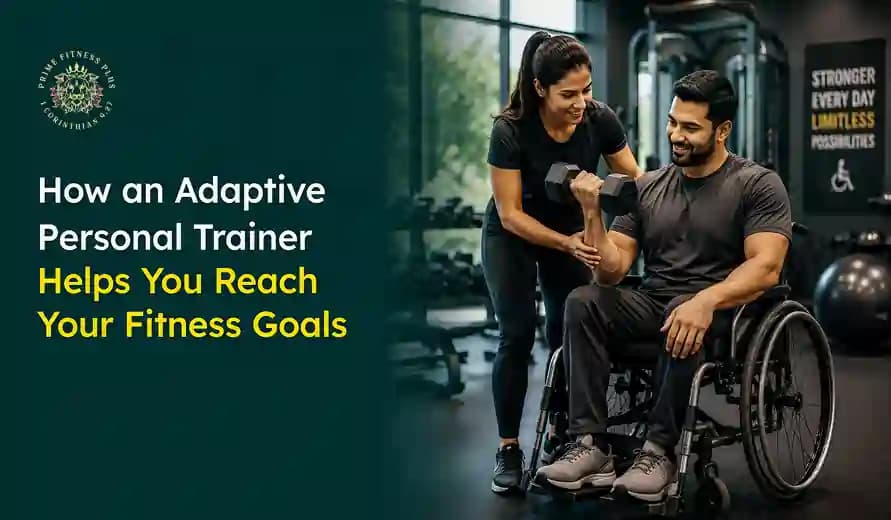
An adaptive personal trainer is a fitness professional who works with people living with disabilities, mobility limitations, chronic health conditions, or other physical challenges. Their role is to help clients stay active through safe exercises tailored to their abilities.
Unlike traditional fitness coaching, adaptive training prioritises function first. Rather than chasing appearance alone, many clients work towards goals such as:
- Standing with better balance
- Walking longer distances
- Improving wheelchair mobility
- Building upper-body strength
- Reducing stiffness
- Completing daily activities with less effort
- Increasing independence
The trainer also closely monitors movement and adjusts exercises as needed. Small changes in body position, equipment, or range of motion can make a major difference in comfort and safety.
Why an Adaptive Personal Trainer Is Different From a Traditional Trainer
Many certified personal trainers have strong fitness knowledge, but not all have experience working with people with disabilities. A trainer who understands adaptive exercise knows how different medical conditions affect movement and recovery.
An adaptive personal trainer pays attention to several important areas before creating a program, including:
- Current mobility level
- Muscle strength
- Joint movement
- Balance and coordination
- Pain levels
- Medical recommendations
- Daily lifestyle
- Personal fitness goals
This information helps create workouts that fit the individual rather than expecting the individual to fit the workout.
For beginners, this personal approach often feels far less intimidating.
How an Adaptive Personal Trainer Creates a Safe Starting Point
Many people believe they need to get fit before hiring a trainer. In reality, the first sessions usually focus on understanding where you are today.
The trainer may begin by observing simple movements such as:
- Sitting and standing
- Walking
- Reaching overhead
- Lifting light objects
- Shoulder movement
- Core stability
- Grip strength
These simple assessments help identify strengths and areas needing attention.
From there, exercises start at a comfortable level and gradually become slightly more challenging. Progress happens gradually rather than all at once.
This steady approach helps reduce unnecessary strain and allows the body to adapt naturally.
Building Confidence Through Small Wins
Confidence is one of the biggest reasons people continue exercising.
Many beginners have felt frustrated after trying workout programs that were not suited to their abilities. Some may have been told that exercise was too difficult, or they simply avoided fitness because they did not know where to begin.
An adaptive personal trainer focuses on achievable goals instead of unrealistic expectations.
For example, success might mean:
- Completing ten minutes of exercise without stopping
- Standing independently for a little longer
- Improving posture
- Using resistance bands correctly
- Getting in and out of a chair more comfortably
- Feeling less tired during daily tasks
Each improvement builds confidence, making it easier to stay committed.
Adaptive Exercise Training Supports Daily Life
Many people think fitness matters only in the gym. In reality, exercise should make everyday life easier.
Adaptive exercise training often focuses on movements people use throughout the day.
These may include:
- Carrying groceries
- Getting out of bed
- Climbing steps
- Reaching shelves
- Pushing a wheelchair
- Getting into a vehicle
- Picking up household items
Improving these everyday movements can enhance independence and reduce physical strain.
Instead of striving for unrealistic fitness standards, adaptive programs help people perform daily activities more comfortably.
Exercise Plans Can Change as Your Needs Change
Health conditions and mobility levels can change over time. Some people experience periods when movement becomes easier, while others may face temporary setbacks after illness, surgery, or injury.
A good trainer understands that progress rarely follows a straight line.
Workout plans can be adjusted as needed without losing sight of long-term goals.
For example:
- Exercises can be performed sitting instead of standing.
- Resistance can be reduced during recovery periods.
- Rest time can be increased.
- Balance exercises can replace higher-impact activities.
- New mobility aids can be included in workouts.
This flexibility allows people to continue exercising safely rather than stopping completely.
Inclusive Personal Training Creates a Comfortable Environment
One of the biggest barriers to exercise is feeling uncomfortable in a gym environment.
Some people worry about being watched, while others fear asking questions or using equipment incorrectly. These concerns often prevent beginners from taking the first step.
Inclusive personal training fosters a welcoming environment where clients feel respected and supported throughout each session.
Working With Different Disabilities
Every disability affects movement differently, so adaptive fitness programmes vary from person to person.
A personal trainer for people with disabilities may work with individuals who have:
- Spinal cord injuries
- Cerebral palsy
- Multiple sclerosis
- Parkinson's disease
- Stroke recovery
- Limb differences
- Arthritis
- Autism spectrum disorder
- Muscular dystrophy
- Visual impairments
- Hearing impairments
- Balance disorders
Each condition presents different physical challenges, and every person's abilities are unique.
Rather than focusing on limitations, the trainer focuses on what the client can do today and builds from there. This positive approach helps people stay motivated while working towards meaningful fitness goals.
Physical Benefits of Working With an Adaptive Personal Trainer
Regular exercise offers many health benefits, but the right guidance makes them easier to achieve. A well-planned fitness routine can improve strength, flexibility, coordination, balance, and endurance while reducing the risk of inactivity-related health problems.
For beginners, progress often begins with simple movements that become part of a weekly routine. Over time, these improvements may help with:
- Better posture
- Stronger muscles
- Healthier joints
- Improved heart health
- Better circulation
- Greater range of motion
- Less muscle stiffness
- More energy throughout the day
An adaptive personal trainer also monitors how your body responds to exercise. If a movement causes discomfort or feels too difficult, it can be adjusted immediately. This helps keep workouts comfortable while enabling steady progress.
Fitness Also Supports Mental Well-Being
Physical activity benefits more than the body. Many people notice improved mood after exercising regularly.
Exercise may help reduce stress, improve sleep, boost self-confidence, and support emotional well-being. Completing workouts and achieving personal goals can also provide a sense of achievement.
Building Strength for Greater Independence
One of the primary goals of adaptive fitness is to improve everyday independence.
Simple activities such as dressing, preparing meals, carrying items, or getting into a vehicle require strength and coordination. As muscles strengthen, these daily tasks often become easier.
A qualified fitness trainer for disabilities focuses on exercises that support these real-life movements rather than relying solely on traditional gym routines.
Examples include:
- Standing from a seated position
- Reaching overhead safely
- Carrying light objects
- Improving grip strength
- Moving between a wheelchair and a chair
- Walking with better balance
These practical exercises link fitness to daily life, making each session meaningful.
Choosing the Right Adaptive Personal Trainer
Finding the right trainer is as important as starting an exercise program.
Look for someone who listens carefully, respects your goals, and understands your condition. A good trainer should never make you feel rushed or pressured into exercises that cause pain.
Before making a decision, consider asking the following questions:
- What experience do you have working with people who have disabilities?
- Have you worked with someone who has a condition similar to mine?
- How do you adjust workouts when needed?
- What happens if I have pain during an exercise?
- Can sessions be held at home or online if necessary?
- How do you measure progress?
The answers should make you feel comfortable and confident about collaborating.
Signs You Have Found the Right Trainer
A strong coaching relationship is built on trust, communication, and respect.
Positive signs include:
- They listen before giving advice.
- They explain each exercise clearly.
- They encourage questions.
- They celebrate small improvements.
- They adjust workouts when needed.
- They focus on your goals rather than comparing you with others.
- They create a welcoming environment.
These qualities often matter as much as technical knowledge.
Why Accessible Personal Training Matters
Many people cannot easily travel to a gym because of transportation challenges, accessibility concerns, or health conditions.
This is why accessible personal training has become an important option. Sessions may be available at home, in accessible fitness facilities, community centres, rehabilitation settings, or via live virtual coaching.
Staying Consistent Is More Important Than Being Perfect
Many beginners believe they need long workouts to see results. In reality, consistency usually matters more than the length of workouts.
Regular movement, even in shorter sessions, can lead to steady progress.
Missing a workout occasionally is normal. What matters most is getting back to your routine when you can.
An experienced trainer understands that life brings unexpected challenges. They help clients adjust their schedules and keep moving forward rather than giving up after setbacks.
Final Words
Starting a fitness journey can feel uncertain, especially if you have never exercised before or have faced barriers in the past. The good news is that you do not have to do it alone.
An adaptive personal trainer works with your current abilities, listens to your goals, and creates a plan to help you move safely and confidently. Whether your goal is to improve strength, increase mobility, become more independent, or simply feel better each day, the right guidance can make a meaningful difference.