Many people believe that leg strength only matters for walking, but it also supports balance, posture, daily movement, and overall independence. Leg exercises for handicapped individuals can help improve muscle strength, joint movement, circulation, and confidence during everyday activities. Whether someone uses a wheelchair, walker, cane, or has limited mobility, the right exercise routine can make daily tasks feel more comfortable over time.
Every person has different physical abilities, so exercises should align with individual needs and medical advice. Small, steady improvements often matter more than intense workouts. With regular practice and safe movement, many people notice better control, endurance, and comfort in daily life.
Table of Contents
- Why Leg Strength Matters
- Leg Exercises for Handicapped: Benefits for Daily Living
- Who Can Benefit from Leg Exercises for Handicapped?
- Safety Tips Before You Begin
- Adaptive Exercise Programs That Support Lower Body Strength
- Best Seated Leg Exercises
- Standing Leg Exercises with Support
- Chair Exercises for Disabled Adults
- Building a Weekly Routine
- Common Mistakes to Avoid
- Frequently Asked Questions
- Conclusion
Why Leg Strength Matters
Strong legs support more than walking. They help people transfer safely between a wheelchair and a bed, stand with assistance, climb small steps, and maintain better balance. Even for individuals who spend most of the day seated, leg muscles play an important role in circulation and joint health.
Regular movement may also help reduce stiffness after prolonged periods of sitting. Gentle exercises can keep joints moving and help muscles stay active without placing excessive stress on the body.
Leg Exercises for Handicapped: Benefits for Daily Living
Adding regular movement to a weekly routine offers several physical and mental benefits. The goal is not to do difficult workouts but to improve movement safely and consistently.
Some possible benefits include:
- Better lower-body strength
- Improved balance during standing or transfers
- Increased joint flexibility
- Healthier blood circulation
- Greater confidence while moving
- Less muscle stiffness after sitting for long periods
- More comfort during everyday activities
Progress looks different for everyone. Some people notice small changes after a few weeks, while others need more time, depending on their condition and activity level.
Who Can Benefit from Leg Exercises for the Handicapped?
Many people with various physical conditions can safely perform adapted leg exercises after consulting a healthcare provider or physical therapist.
These exercises may be suitable for:
- People who use wheelchairs
- Adults with limited mobility
- Individuals recovering from injuries
- People living with neurological conditions
- Adults with muscle weakness
- Seniors who need additional support while exercising
Many Fitness for Adults with Disabilities programs use modified movements tailored to each person's ability rather than expecting everyone to follow the same routine.
Safety Tips Before You Begin
Safety should always come first. Even simple movements should be performed slowly and with control.
Keep these tips in mind before starting:
- Speak with your healthcare provider before beginning a new routine.
- Wear comfortable clothing that allows easy movement.
- Keep a sturdy chair or support nearby if standing.
- Stop immediately if you feel dizziness, chest pain, or severe discomfort.
- Drink water before and after exercising.
- Focus on slow, controlled movements instead of rushing.
Remember that the quality of movement matters much more than the number of repetitions.
Adaptive Exercise Programs for Lower Body Strength
Many people benefit from Adaptive Exercise Programs because they focus on ability rather than limitations. Exercises can be modified based on strength, balance, range of motion, or mobility equipment.
A typical routine may include:
- Warm-up movements
- Seated leg exercises
- Standing exercises with support
- Stretching
- Cool-down breathing
The routine should remain flexible. Some days the body may feel stronger, while on other days lighter activity is the better choice.
Best Seated Leg Exercises
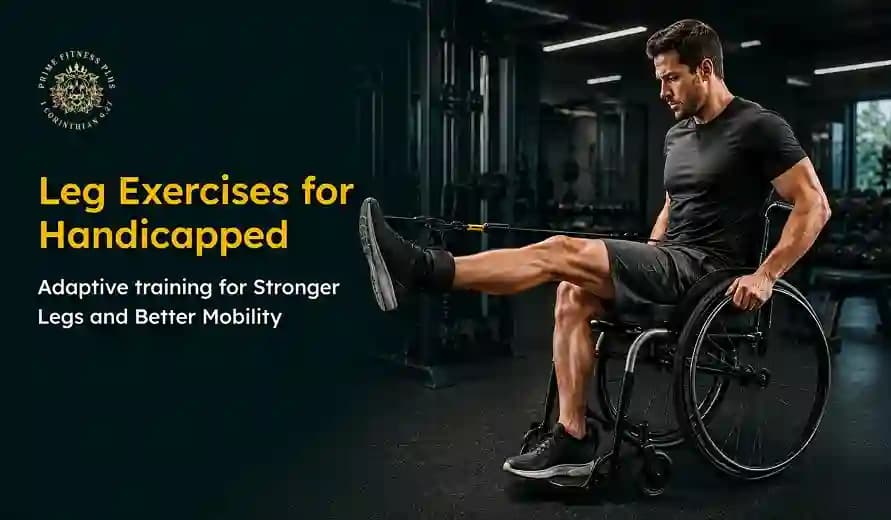
Seated exercises help many people strengthen their legs while reducing the risk of losing balance. A stable chair with good back support works best.
Seated Knee Extensions
Sit upright with both feet flat on the floor.
Steps:
- Slowly straighten one leg.
- Hold for three to five seconds.
- Lower it gently.
- Repeat with the other leg.
Aim for 8–12 repetitions on each side.
Heel Raises
Keep both feet flat.
Steps:
- Lift your heels while keeping your toes on the floor.
- Pause briefly.
- Lower slowly.
This movement helps strengthen the calf muscles.
Toe Raises
Keep your heels on the floor.
Steps:
- Lift the front of your feet.
- Hold briefly.
- Return to the starting position.
Toe raises help strengthen the muscles around the ankles and improve lower-leg control.
Seated Marches
Sit tall without leaning backwards.
Steps:
- Lift one knee toward your chest.
- Lower it slowly.
- Repeat with the opposite leg.
This exercise improves hip mobility while working the upper leg muscles.
Ball Squeeze
Place a soft ball or rolled towel between your knees.
Steps:
- Gently squeeze.
- Hold for five seconds.
- Relax slowly.
This movement works the inner thigh muscles and improves leg stability.
These seated movements are commonly included in Adaptive Fitness Training because they can be adjusted for many mobility levels and remain comfortable and simple to perform.
Leg Exercises for Handicapped Using Standing Support
Standing exercises may be suitable for people who can stand safely with assistance. Always use a sturdy chair, countertop, or parallel bars for support as needed.
Supported Mini Squats
Stand with both hands on a stable surface.
Steps:
- Bend your knees slightly.
- Keep your back straight.
- Return to a standing position slowly.
Lower only as far as feels comfortable.
Side Leg Raises
Stand tall while holding a chair.
Steps:
- Lift one leg to the side without leaning.
- Pause briefly.
- Lower with control.
- Repeat on the opposite side.
This exercise helps strengthen the hips and improves balance.
Hamstring Curls
Stand behind a chair.
Steps:
- Bend one knee so your heel moves toward your hips.
- Lower slowly.
- Switch legs.
Keep your upper body upright throughout the movement.
Standing Calf Raises
Hold a stable surface.
Steps:
- Rise onto your toes.
- Hold for two seconds.
- Lower slowly.
This movement supports ankle strength and lower-leg stability.
Chair Exercises for Disabled Adults
Chair Exercises for Disabled Adults are a practical option for people with balance concerns or who spend most of their day sitting. They allow regular movement without placing unnecessary stress on the joints.
A simple chair routine may include:
- Seated knee extensions
- Heel raises
- Toe raises
- Seated marches
- Ball squeezes
- Gentle ankle circles
Start with one set of each exercise and gradually increase as strength improves. Rest between exercises as needed.
Leg Exercises for Handicapped: Building a Weekly Routine
A consistent schedule often works better than long exercise sessions done once in a while.
A sample weekly plan could look like this:
Monday
- Warm-up
- Seated exercises
- Gentle stretching
Wednesday
- Standing exercises with support
- Balance practice
- Cool-down stretches
Friday
- Mixed seated and standing exercises
- Light walking or wheelchair mobility if appropriate
- Stretching
On rest days, simple exercises such as ankle circles or gentle leg stretches can help reduce stiffness.
Many people also join Inclusive Fitness Programs, where trained instructors can tailor activities to individual needs. Exercising with others can also provide encouragement and help people stay consistent.
Common Mistakes to Avoid
Even simple exercises should be performed carefully.
Avoid these common mistakes:
- Moving too quickly
- Holding your breath during exercises
- Skipping warm-up movements
- Ignoring pain or discomfort
- Using poor posture
- Doing too many repetitions too soon
- Comparing your progress with someone else's
Small improvements over time are far more meaningful than trying to do too much in one session.
Supporting Your Exercise Routine
Exercise is only one part of staying active. Healthy daily habits can also support muscle function and recovery.
Consider these simple practices:
- Drink enough water throughout the day.
- Eat balanced meals that include protein, fruits, vegetables, and whole grains.
- Get enough sleep each night.
- Wear supportive footwear if standing exercises are part of your routine.
- Keep exercise equipment nearby to make regular movement easier.
If motivation wanes, keeping an activity journal can help you track your progress week to week.
Final Words
Building stronger legs does not always require complicated workouts or expensive equipment. Regular movement, safe techniques, and patience can make everyday activities feel more comfortable over time. Whether you exercise from a chair or while standing with support, consistency is more important than intensity.
The right leg exercises for handicapped individuals can support strength, balance, joint movement, and greater independence. Start with movements that match your current ability, listen to your body, and seek professional guidance whenever needed. Small steps taken regularly can lead to meaningful progress and help make daily life easier.