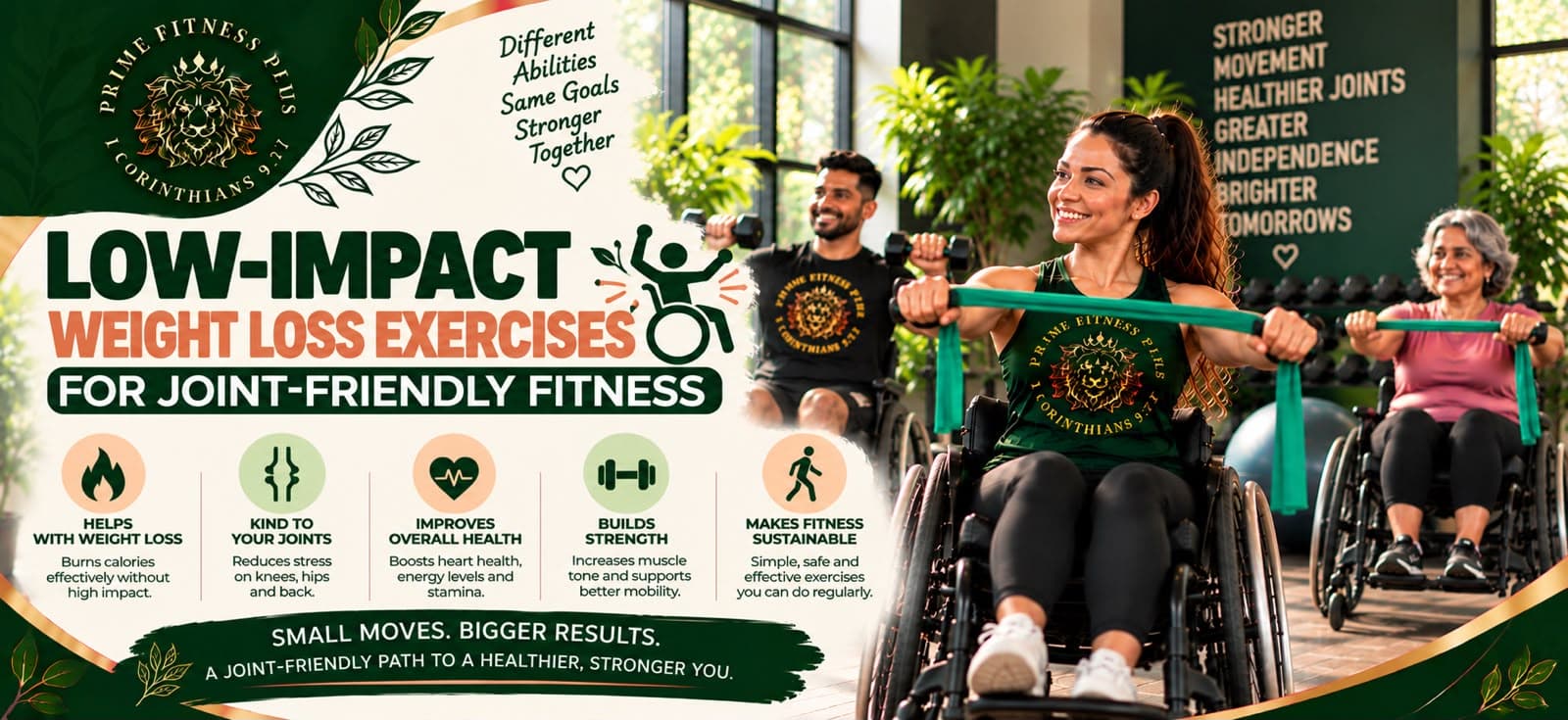
Losing weight does not always mean running long distances, doing high-intensity workouts, or putting extra strain on your knees and hips. Many people want to become more active but worry about joint pain, old injuries, arthritis, or limited mobility. The good news is that low-impact weight-loss exercises offer a safer way to stay active while burning calories and improving Overall fitness.
Low-impact workouts keep at least one foot on the ground or reduce the force on the joints during movement. They can help people of different ages and fitness levels build healthy habits without placing unnecessary stress on the body. Whether you are just starting your fitness routine, recovering from an injury, or looking for a workout that feels comfortable, these activities can support steady progress.
Weight loss depends on many factors, including nutrition, sleep, daily movement, and regular exercise. A low-impact workout for weight loss fits well into this plan because it promotes consistency. A routine you can follow every week often yields better results than one that feels too difficult to maintain.
What Are Low-Impact Weight Loss Exercises?
Low-impact weight loss exercises are physical activities that reduce stress on the joints while still helping the body burn calories. These workouts avoid repeated hard landings and sudden movements that may cause discomfort in the knees, ankles, hips, or lower back.
Many people believe low-impact exercises are easy or meant only for older adults. That is not true. A well-planned workout can raise your heart rate, strengthen your muscles, improve stamina, and support healthy weight management.
Some common examples include:
- Walking
- Swimming
- Cycling
- Rowing
- Water aerobics
- Elliptical training
- Chair exercises
- Yoga
- Pilates
The right choice depends on your current fitness level, medical history, and personal goals.
Why Choose Low-Impact Weight Loss Exercises for Joint-Friendly Fitness?
Many traditional weight-loss exercises involve jumping, sprinting, or quick changes of direction. These movements may not suit everyone. People with arthritis, excess body weight, previous injuries, or chronic joint pain often find them uncomfortable. Joint-friendly exercises help them stay active while reducing unnecessary strain.
Some of the main benefits include:
Less Stress on the Joints
Every step during running or jumping places force on the knees and ankles. Low-impact movements reduce this pressure while keeping the body moving.
Better Workout Consistency
Pain often leads people to skip exercise. Choosing comfortable activities makes it easier to stick to a routine week after week.
Lower Risk of Injury
Controlled movements help reduce strain on muscles, tendons, and ligaments, making low-impact training a suitable option for beginners.
Supports Heart Health
Many people believe only intense workouts improve heart health. In reality, low-impact cardio for weight loss can also elevate your heart rate, improve circulation, and support daily fitness without overstraining your joints.
Builds Strength
Muscles play a key role in supporting the joints. Stronger muscles around the knees, hips, and shoulders can improve stability in daily activities.
Can Low-Impact Weight Loss Exercises Help You Lose Weight?
Yes. Weight loss occurs when your body uses more calories than it receives from food over time. Exercise increases calorie expenditure, while regular movement helps maintain an active lifestyle.
Many weight-loss exercises burn calories, but low-impact routines often have one major advantage. They are easier to do regularly, making it more likely that you will stay active throughout the week. A workout completed four or five days every week usually brings better long-term results than an intense routine that causes soreness and leads to long breaks.
Adopting healthy eating habits, adequate sleep, and daily movement creates a balanced approach to weight management.
Best Low-Impact Exercises for Weight Loss
1. Brisk Walking
Walking remains one of the simplest ways to begin a fitness journey. It requires minimal equipment and can be done almost anywhere.
Walking at a faster pace raises your heart rate, burns calories, and strengthens the legs without putting excessive stress on the joints.
Tips for better results:
- Walk with good posture.
- Swing your arms naturally.
- Wear supportive shoes.
- Gradually increase your pace.
- Aim for at least 30 minutes on most days.
Walking outdoors also provides fresh air and can help reduce daily stress.
2. Swimming
Swimming provides a full-body workout, and the water supports your body weight. This reduces pressure on painful joints and allows smoother movement.
Swimming works several muscle groups, including the arms, shoulders, back, core, and legs. Different swimming strokes add variety, helping prevent boredom.
People with arthritis or those seeking exercises for bad knees to lose weight often find swimming more comfortable than many land-based activities.
3. Water Aerobics
Water aerobics combines simple movements with water resistance. Because water naturally supports the body, participants can move more comfortably.
A typical class may include:
- Marching in place
- Leg lifts
- Arm movements
- Gentle jumping movements performed in water
- Balance exercises
Water resistance also helps strengthen muscles while improving flexibility.
4. Stationary Cycling
Cycling allows smooth circular leg movements that are generally easier on the knees than running.
A stationary bike gives you full control over speed and resistance, making it suitable for both beginners and experienced exercisers.
Benefits include:
- Burns calories
- Improves leg strength
- Supports heart health
- Helps increase stamina
- Places less pressure on joints
Begin with a comfortable resistance and gradually increase it as your fitness improves.
5. Elliptical Trainer
An elliptical machine replicates the natural motion of walking or jogging without the repeated impact of striking the ground.
Most elliptical machines also include moving handles, allowing the upper and lower body to work together.
This makes it a good choice for anyone seeking low-impact cardio for weight loss while protecting the knees and ankles.
6. Rowing Machine
Indoor rowing works many major muscle groups simultaneously.
Each rowing stroke uses:
- Legs
- Back
- Core
- Shoulders
- Arms
Although rowing feels challenging, the smooth motion places less stress on the joints than many high-impact workouts.
Proper technique is important to prevent lower back discomfort, so beginners should start slowly and focus on good form.
Strength Training Without Heavy Impact
Weight management is not only about cardio exercise. Building muscle also plays an important role because muscle tissue burns energy throughout the day.
Low-impact strength exercises include:
- Bodyweight squats to a chair
- Wall push-ups
- Resistance band exercises
- Standing leg raises
- Glute bridges
- Seated shoulder presses
- Step-ups on a low platform
These joint-friendly exercises help improve balance, posture, and everyday movement while supporting healthy weight management.
Beginners can perform one or two sets of each exercise, gradually increasing repetitions.
Yoga for Weight Loss and Joint Comfort
Yoga combines controlled movement, flexibility, breathing, and balance. While some styles are slower-paced, regular practice can still support weight management when combined with healthy eating and other physical activities.
Yoga may also help:
- Improve flexibility
- Reduce muscle stiffness
- Increase balance
- Strengthen the core
- Improve posture
- Reduce everyday stress
People with joint pain should start with beginner-friendly classes and avoid positions that cause discomfort.
Pilates for Core Strength
Pilates emphasises slow, controlled movements that strengthen the muscles supporting the spine and pelvis.
Many exercises are performed on a mat, which reduces pressure on the knees and ankles.
Regular Pilates sessions can improve posture, body control, flexibility, and muscle endurance. Strong core muscles also support better movement during walking, stair-climbing, and other daily activities.
A beginner class offers a safe starting point for those who have never tried Pilates.
How Often Should You Do Low-Impact Weight Loss Exercises?
A routine yields better results than exercising only once or twice a week. Most adults should aim for at least 150 minutes of moderate physical activity each week. You can split this into shorter sessions that fit your schedule.
Here is one example of a weekly plan:
Monday: 30-minute brisk walk and light stretching
Tuesday: Resistance band exercises and balance training
Wednesday: Swimming or water aerobics
Thursday: Yoga or Pilates
Friday: Stationary cycling
Saturday: Full-body strength exercises using body weight
Sunday: Gentle walk and stretching
Adjust the routine based on your fitness level and recovery. Rest days are just as important because muscles need time to recover after workouts.
Tips to Get Better Results
Following a few simple habits can help you stay on track.
Start Slowly
Many people try to do too much in the first week, which often leads to soreness and frustration. Begin with shorter sessions and gradually increase the duration.
Focus on Good Form
Proper movement helps reduce unnecessary strain on your joints. If you are unsure about an exercise, ask a qualified fitness professional or check your posture in a mirror.
Wear Comfortable Shoes
Supportive footwear helps absorb some of the pressure placed on your feet and knees during walking or other standing activities.
Stay Hydrated
Drink water before, during, and after your workout, especially when exercising outdoors or in hot weather.
Warm Up Before Exercise
Spend five to ten minutes preparing your body with light walking, gentle arm circles, shoulder rolls, and leg movements. Warming up helps your muscles get ready for activity.
Cool Down After Your Workout
Finish with slow walking and gentle stretches to help your heart rate return to normal.
Healthy Eating Supports Weight Loss
Exercise is only one part of the weight-loss process. Food choices also matter.
A balanced eating plan should include:
- Lean protein such as chicken, fish, beans, eggs, or tofu
- Whole grains like brown rice and oats
- Fresh vegetables
- Fruits
- Healthy fats from nuts, seeds, and olive oil
- Plenty of water throughout the day
Try to limit foods high in added sugar, deep-fried meals, and heavily processed snacks. Small changes you can sustain for months often work better than strict diets that are difficult to maintain.
Common Mistakes to Avoid
Many people slow their progress by committing simple mistakes.
Skipping Rest Days
Exercising every day without adequate recovery can leave your muscles tired and increase the risk of discomfort.
Doing Only Cardio
Walking and cycling are excellent choices, but strength training also supports weight management by helping to maintain muscle mass.
Ignoring Pain
Mild muscle soreness after exercise is common, but sharp or persistent pain should never be ignored. Stop the activity and consult a healthcare professional if pain persists.
Expecting Fast Results
Healthy weight loss usually happens gradually. Staying active each week and making better food choices can lead to lasting results.
Sitting for Long Hours
Even if you exercise regularly, spending the rest of the day sitting can lower your overall activity level. Stand up, stretch, or take short walks whenever possible.
Who Can Benefit from Low-Impact Exercises?
These workouts are suitable for many people, including:
- Beginners starting their fitness journey
- Adults with knee or hip discomfort
- People living with arthritis
- Those carrying extra body weight
- Older adults who want to stay active
- People returning to exercise after an injury with medical approval
- Anyone looking for a comfortable low-impact workout for weight loss
Since every person has different health needs, it is always wise to consult a healthcare provider before starting a new exercise routine, especially if you have an existing medical condition.
Staying Motivated
Keeping your routine enjoyable makes it easier to continue.
Here are a few ideas:
- Set realistic weekly goals.
- Keep a simple workout journal.
- Exercise with a friend or family member.
- Listen to music or podcasts while walking.
- Celebrate small milestones.
- Try different activities to prevent boredom.
Progress is not measured solely by the number on the scale. Better energy, improved balance, stronger muscles, and easier daily movement are also signs that your efforts are paying off.
Final Words
Low-impact weight-loss exercises offer a practical, comfortable way to stay active while protecting your joints. Whether you choose walking, swimming, cycling, rowing, yoga, Pilates, or strength training, each activity can support healthy weight management and improve overall fitness. The key is to stay consistent, pair your workouts with balanced eating, and gradually increase your activity level. Over time, these steady lifestyle changes can help you reach your goals while keeping your knees, hips, and other joints comfortable.