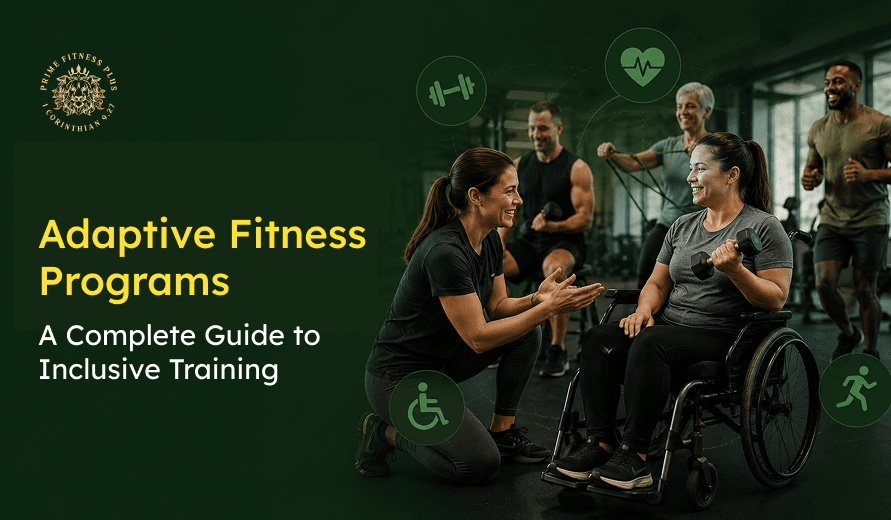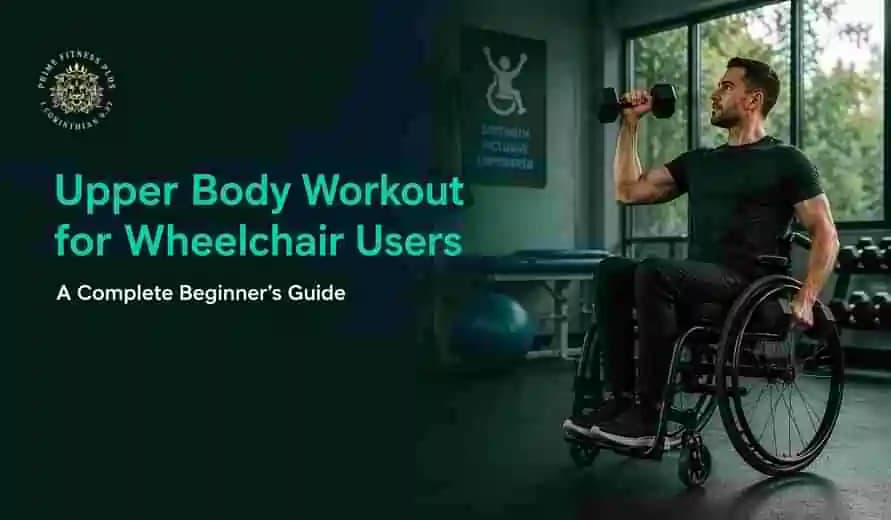
Using a wheelchair does not mean giving up on fitness. In fact, staying active can support daily movement, build strength, improve posture, and make everyday tasks easier. Whether you use a wheelchair full-time or part-time, an upper-body workout for wheelchair users can help you stay active safely and effectively.
Many beginners are unsure where to start. Questions about safety, equipment, and exercise choices often keep people from getting started. The good news is that you do not need an expensive gym or advanced equipment. Many upper-body exercises for wheelchair users can be done at home using resistance bands, light dumbbells, or simply your own body weight.
Why Upper Body Strength Matters for Wheelchair Users
For wheelchair users, the upper body works much harder throughout the day than it does for many other people. Your shoulders, arms, chest, back, and core help with tasks such as:
- Pushing the wheelchair
- Moving between surfaces
- Reaching shelves
- Carrying groceries
- Getting dressed
- Household activities
- Maintaining good posture
Over time, these muscles can become fatigued or develop imbalances if they are not trained properly. A regular exercise routine helps keep muscles strong while supporting healthier joints. Many people combine these movements with wheelchair strength training to improve endurance for everyday activities.
Some additional benefits include:
- Better shoulder stability
- Improved arm strength
- Better posture while sitting
- Greater confidence during daily activities
- Better circulation
- Support for long-term joint health
- Reduced muscle stiffness
Exercise is not only about strength. It also supports overall physical and mental well-being.
Is It Safe to Exercise in a Wheelchair?
For most people, yes. However, every person's physical condition is different.
Before starting any exercise program, it is advisable to consult your healthcare provider, rehabilitation specialist, or physical therapist, especially if you have:
- Recent surgery
- Shoulder pain
- Spinal cord injury
- Joint problems
- Heart conditions
- Balance concerns
Once you receive medical clearance, begin slowly and focus on proper movement instead of lifting heavy weights.
Safety Tips Before Starting Your Upper Body Workout for Wheelchair Users
A few simple habits can make your workout much safer.
Lock Your Wheelchair
Always lock the brakes before exercising unless a movement specifically requires wheelchair movement.
Sit with Good Posture
Keep your back supported if needed.
Maintain:
- Straight spine
- Relaxed shoulders
- Chin facing forward
- Feet supported whenever possible
Warm Up First
Spend five to ten minutes warming up before exercising.
Simple warm-up movements include:
- Shoulder circles
- Arm swings
- Wrist rotations
- Neck stretches
- Light wheelchair pushing
These simple wheelchair exercises prepare your muscles and joints before your main workout.
Start with Light Resistance
Many beginners try weights that are too heavy.
Start with:
- Resistance bands
- One to five pound dumbbells
- Water bottles
- Bodyweight exercises
You can slowly increase resistance over time.
Stop if You Feel Pain
Muscle fatigue is normal.
Sharp pain, numbness, dizziness, or joint discomfort are signs to stop and seek medical advice.
Equipment You Can Use
You do not need expensive fitness equipment.
Many beginners use:
- Resistance bands
- Light dumbbells
- Medicine balls
- Wrist weights
- Water bottles
- Small exercise ball
Resistance bands are often a great starting point because they are affordable, portable, and available in different resistance levels. They also work well for adaptive upper body exercises performed at home or in rehabilitation settings.
Best Upper Body Workout for Wheelchair Users
These beginner-friendly exercises work different muscle groups while staying simple and safe. They can also be combined into a seated upper body workout that fits different fitness levels.
1. Seated Shoulder Press
Muscles worked:
- Shoulders
- Upper arms
How to do it:
- Hold a dumbbell in each hand.
- Start with elbows bent.
- Press both arms upward.
- Lower slowly.
Complete 8 to 12 repetitions.
2. Bicep Curls
Muscles worked:
- Biceps
- Forearms
Steps:
- Hold weights with palms facing upward.
- Bend your elbows.
- Bring the weights toward your shoulders.
- Lower slowly.
Perform 10 to 15 repetitions.
3. Seated Chest Press with Resistance Band
Muscles worked:
- Chest
- Shoulders
- Triceps
Steps:
- Place the resistance band behind your chair.
- Hold each end.
- Push both hands forward.
- Return slowly.
Repeat 10 to 15 times.
4. Resistance Band Row
Muscles worked:
- Upper back
- Rear shoulders
- Biceps
Steps:
- Secure the resistance band.
- Pull toward your chest.
- Squeeze your shoulder blades together.
- Return slowly.
Complete 10 to 15 repetitions.
5. Triceps Extension
Muscles worked:
- Triceps
Steps:
- Hold one dumbbell with both hands.
- Lift it overhead.
- Lower behind your head.
- Straighten your arms again.
Repeat 8 to 12 times.
6. Front Arm Raise
Muscles worked:
- Front shoulders
Steps:
- Hold light weights.
- Raise both arms forward.
- Stop at shoulder height.
- Lower slowly.
Perform 10 repetitions.
7. Lateral Arm Raise
Muscles worked:
- Side shoulders
Steps:
- Hold weights at your sides.
- Raise both arms outward.
- Stop at shoulder level.
- Lower slowly.
Repeat 10 times.
8. Seated Punches
Muscles worked:
- Shoulders
- Arms
- Core
Steps:
- Make fists or hold light weights.
- Punch forward one arm at a time.
- Maintain a steady rhythm.
Continue for 30 to 60 seconds.
9. Wrist Strength Exercise
Strong wrists help with wheelchair propulsion.
Use a light dumbbell.
Move your wrist upward and downward while keeping your forearm supported.
Repeat 12 to 15 times.
10. Seated Core Twists
The core supports balance and posture.
Steps:
- Sit upright.
- Hold a light ball or weight.
- Turn slowly from side to side.
Repeat 10 to 15 twists.
Beginner Upper Body Workout for Wheelchair Users Routine
Here is a simple weekly routine for beginners.
| Exercise | Reps | Sets |
| Shoulder Press | 10 | 2 |
| Bicep Curl | 12 | 2 |
| Chest Press | 12 | 2 |
| Resistance Band Row | 12 | 2 |
| Triceps Extension | 10 | 2 |
| Front Raise | 10 | 2 |
| Lateral Raise | 10 | 2 |
| Seated Punches | 30 seconds | 2 |
| Wrist Exercise | 15 | 2 |
| Core Twists | 12 | 2 |
Rest for 30 to 60 seconds between sets.
Aim to complete this workout two to three days each week. This routine can also serve as a simple chair exercise program for disabled adults for those who are beginning their fitness journey.
How to Progress Safely
As your body becomes stronger, you can gradually make your workouts more challenging.
Ideas include:
- Increase repetitions
- Add another set
- Use slightly heavier resistance
- Slow down each movement
- Add new exercises
Small improvements over time often lead to better long-term results than making big changes too quickly. As your confidence grows, you can gradually add more upper body exercises for wheelchair users to keep your routine balanced and interesting.
Common Mistakes Beginners Should Avoid
Many new exercisers make the same mistakes.
Skipping Warm-Ups
Cold muscles are more likely to become sore.
Always spend several minutes warming up.
Using Too Much Weight
Heavy weights may place unnecessary stress on the shoulders.
Choose a weight that allows controlled movement.
Holding Your Breath
Breathe normally.
Exhale while lifting.
Inhale while returning.
Poor Posture
Avoid rounded shoulders.
Sit upright throughout each exercise.
Training Every Day
Muscles need time to recover.
Rest days are part of a healthy workout routine.
Supporting Your Workout with Healthy Habits
Exercise works best when paired with healthy daily choices.
Stay Hydrated
Drink water before, during, and after your workout.
Hydration supports muscle function and recovery.
Eat Balanced Meals
Your body needs nutrients to support muscle repair.
Try to include:
- Lean protein
- Fruits
- Vegetables
- Whole grains
- Healthy fats
Get Enough Sleep
Sleep gives your muscles time to recover.
Adults should aim for around seven to nine hours each night.
Stay Consistent
A simple seated upper body workout performed regularly is often more helpful than occasional intense workouts. You can also include adaptive upper body exercises to match your comfort level and mobility needs.
When to Seek Professional Support
If you are new to exercise or have a medical condition, working with an adaptive fitness trainer or physical therapist can be helpful.
A qualified professional can:
- Check your movement
- Suggest suitable exercises
- Correct your form
- Adjust workouts based on your mobility level
- Help prevent shoulder overuse
Personal guidance can make your fitness routine safer and more comfortable. They may also recommend additional wheelchair exercises or wheelchair strength training based on your personal needs.
Benefits Beyond Physical Strength
Regular upper body exercise offers more than stronger muscles.
Many wheelchair users notice improvements in:
- Daily independence
- Confidence
- Energy levels
- Mood
- Balance while sitting
- Wheelchair handling
- Ability to complete household activities
Even short workouts performed consistently can support these everyday improvements. Many beginners also find that chair exercises for disabled adults help make daily tasks easier over time.
Final Words
Starting an upper body workout for wheelchair users does not have to be difficult. A few simple exercises performed regularly can support stronger arms, healthier shoulders, better posture, and greater comfort during everyday activities.
Begin with light resistance, pay attention to proper form, and increase the difficulty gradually as your body adapts. Consistency matters more than intensity, especially for beginners. If you have any medical concerns, speak with your healthcare provider before beginning a new exercise routine. With patience and regular practice, an upper body workout for wheelchair users can become an enjoyable part of a healthy lifestyle while supporting greater independence in daily life.