A fitness routine should help people move, build strength, improve balance, and feel more confident in daily life. But a routine only works when a person can actually take part in it. For people with disabilities, older adults, those recovering from an injury, or anyone with different movement needs, standard workouts may not always be suitable. Accessible exercise programs can provide practical ways for people with different abilities to participate in physical activity.
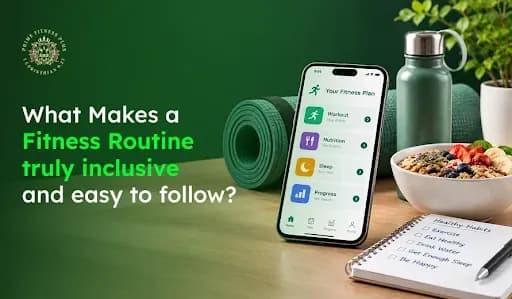
What makes a fitness routine truly inclusive and easy to follow?
An inclusive fitness routine starts with the person, not a fixed list of exercises. It considers physical abilities, mobility, comfort, health needs, available equipment, personal goals, and the person's preferred way of exercising. It also provides clear instructions and allows exercises to be adjusted as needed.
The goal is not to have everyone do the same workout. The goal is to provide each person with a safe and practical way to participate in physical activity.
What Does an Inclusive Fitness Routine Mean?
An inclusive fitness routine is a structured exercise plan that can be adjusted for people with different physical abilities and movement needs. Inclusive workout routines offer people different ways to perform movements while still working toward meaningful fitness goals.
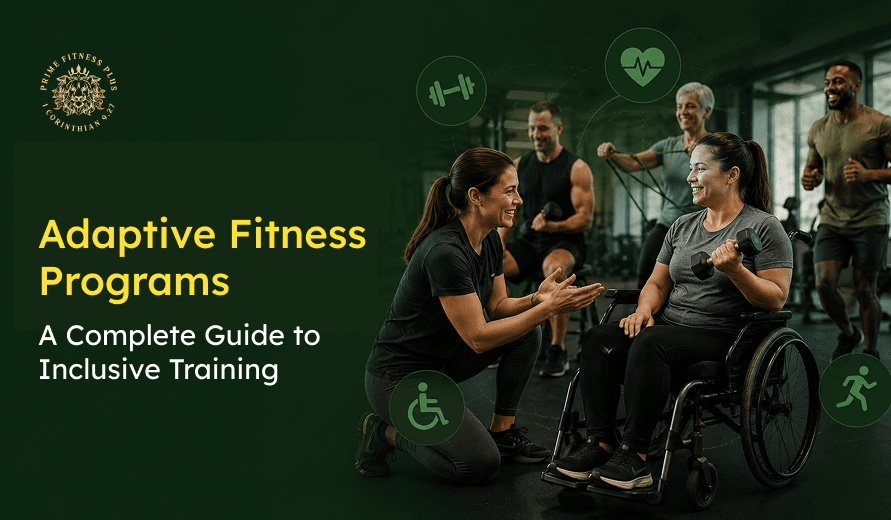
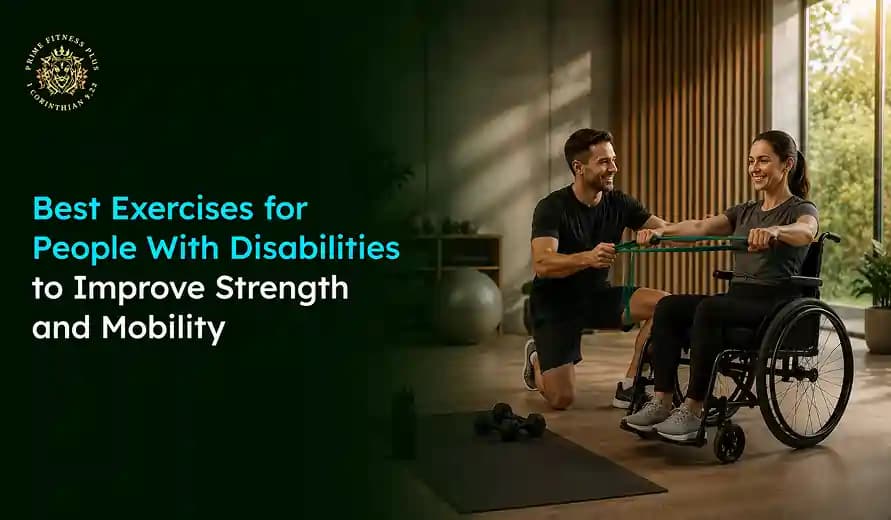
For example, one person may be able to perform a standing squat, while another may need to do a seated version. Someone with limited upper-body mobility may need a different exercise for strength training. A person who uses a wheelchair may focus on exercises that support upper-body strength, posture, flexibility, and daily movement.
These differences do not mean one person is exercising "better" than another. They simply show that fitness programs should accommodate different ways of moving.
A well-planned routine may include:
- Strength exercises
- Mobility movements
- Balance activities
- Cardiovascular exercise
- Stretching
- Flexibility work
- Functional movements
- Rest and recovery periods
The exercises can then be adjusted to the person's abilities and goals.
Why Is Accessibility Important in Fitness?
Accessibility is more than having a ramp at the entrance of a gym. It also applies to how exercise is taught and performed. Accessible fitness for all abilities means considering physical access, communication, equipment, exercise choices, and the person's comfort.
A workout can be difficult to follow if the instructions assume that everyone can stand, walk, grip equipment, move quickly, or get to the floor.
An accessible fitness program considers questions such as:
- Can the exercise be performed while seated?
- Is there enough space to move safely?
- Can the exercise be completed without specialized equipment?
- Are instructions clear and easy to understand?
- Can the movement be performed at a slower pace?
- Is there an alternative if a particular movement causes discomfort?
- Does the person have enough rest between exercises?
When these questions are considered from the start, more people can participate comfortably.
What Are the Main Features of Accessible Exercise Programs?
Several features can make accessible exercise programs easier to use and better suited to a wider range of people.
1. Clear and Simple Instructions
People should not have to guess what they are supposed to do.
Each exercise should explain the starting position, movement, repetitions, rest period, and any important safety points. Instructions should use everyday language rather than technical fitness terms.
For example, instead of giving a long technical explanation, a trainer might say:
"Sit tall in the chair. Place both feet on the floor. Slowly straighten one knee, then lower your foot back down."
Simple instructions make it easier for a person to understand the movement and to repeat it correctly.
2. Exercise Options
One exercise does not need to look the same for everyone.
A good routine can offer different versions of a movement. A standing exercise may have a seated option. A floor exercise may have a chair-based alternative. A resistance exercise may use a band, a light weight, or body weight, depending on the person's abilities..
These adaptive exercise modifications can make movements more practical for people with different mobility, strength, balance, or coordination needs.
Providing options also helps people remain active when their abilities change from day to day.
3. A Comfortable Pace
Inclusive exercise should not be based on speed alone.
Some people may need more time to complete a movement, transition between exercises, or recover after physical activity. A routine should allow reasonable rest periods and should not make anyone feel pressured to keep up with others.
A slower pace can still provide meaningful physical activity.
4. Realistic Goals
Fitness goals should relate to the person's everyday needs.
For one individual, the goal may be to improve strength for transfers from a chair to a bed. Another person may want better balance for walking around the home. Someone else may want to build endurance for shopping, working, or spending time with family.
Personal goals give a fitness routine a clear purpose and make it easier to track progress.
5. Adaptable Equipment
A fitness program does not always need a large collection of gym machines.
Resistance bands, light weights, chairs, stability supports, and household items can sometimes be used for various movements. The right equipment depends on the person's goals, abilities, and exercise setting.
A trainer should also consider whether a person can safely hold, reach, move, or position the equipment.
How Can Fitness Programs Support People With Disabilities?
People with disabilities have different needs, so there is no single workout plan that fits everyone. Fitness routines for different abilities should account for variations in mobility, strength, coordination, balance, endurance, and communication needs.
Someone with a mobility disability may benefit from seated strength exercises, stretching, upper-body exercises, and cardiovascular activities that match their abilities.
A person with a visual disability may benefit from detailed verbal instructions and clear descriptions of equipment placement.
Someone with a neurological condition may need slower movements, extra rest, balance support, or fewer exercises at a time.
People with intellectual or developmental disabilities may benefit from simple instructions, consistent routines, visual demonstrations, and predictable exercise sessions.
These examples show why an inclusive approach requires flexibility. The same program may need several versions to meet different participants' needs.
What Makes a Fitness Routine Easy to Follow?
A routine becomes easier to follow when a person knows what to expect.
A simple structure might look like this:
Warm-up: 5–10 minutes
Gentle movements prepare the body for the session.
Strength work: 15–20 minutes
Exercises focus on major muscle groups and daily movement needs.
Cardio or movement activity: 10–20 minutes
The activity can be walking, seated movement, cycling, or another suitable option.
Mobility and stretching: 5–10 minutes
Gentle movements can support range of motion and comfort.
Cool-down: 5 minutes
The session ends with slower movements and recovery time.
The exact timing can vary. What matters is having a routine that is clear enough for the person to follow without feeling overwhelmed.
How Can Trainers Make Workouts More Inclusive?
A trainer plays an important role in making fitness accessible.
Before creating a workout plan, the trainer should understand the person's goals, movement abilities, limitations, exercise history, and available equipment.
The trainer should also observe how the person responds to each exercise. If a movement is uncomfortable, difficult to control, or unsuitable, the exercise may need to be modified.
Good communication matters throughout the process. People should feel comfortable saying when something hurts, feels too hard, or does not make sense.
For people with disabilities, working with a trainer experienced in adaptive fitness can provide additional support. An adaptive personal trainer can modify exercises and help create personalised fitness routines tailored to the person's individual needs.
Why Consistency Matters More Than Complexity
A complicated workout is not automatically a better workout.
If a routine includes too many exercises, complex equipment, or unrealistic targets, a person may find it difficult to continue.
A simple routine that someone can repeat regularly may be more useful than an advanced program that is hard to maintain.
For example, a person may start with five or six movements that target strength, mobility, balance, and cardiovascular health. As their comfort and abilities change, the routine can be adjusted.
This approach makes exercise feel more manageable and provides the person with a clear path forward.
How Can Families and Caregivers Support Inclusive Exercise?
Families and caregivers can also help make physical activity a part of everyday life.
Support may include preparing a safe exercise area, assisting with equipment, reminding someone of scheduled workouts, or participating in the activity.
However, support should not undermine a person's independence. Whenever possible, people should be encouraged to move on their own and make choices about their exercise routine.
Small activities can also count. Walking around the home, practicing sit-to-stand movements, stretching, reaching exercises, or seated movements can add physical activity to the day.
What Should You Look for in an Inclusive Fitness Program?
When choosing a fitness program or trainer, ask practical questions before starting.
Consider:
- Does the program work with different physical abilities?
- Can exercises be modified?
- Does the trainer have experience with adaptive fitness?
- Are instructions easy to understand?
- Can the routine be adjusted as needs change?
- Is safety discussed before exercise begins?
- Are rest periods included?
- Does the program focus on personal goals?
- Can exercises be performed with the equipment available?
- Does the trainer listen to feedback?
The answers can help you decide whether a program is genuinely inclusive rather than merely using the word "inclusive" in its marketing.
Building a Routine That Works in Real Life
The best fitness routine is one that fits into a person's actual life.
Consider the person's schedule, home environment, transportation, equipment, energy level, and access to professional support.
For example, someone who cannot regularly travel to a gym may benefit from a home-based program. Someone who enjoys group activities may prefer an inclusive class. Another person may feel more comfortable with one-on-one personal training.
There is no requirement for fitness to happen in one specific place.
What matters is having a safe, practical, and repeatable way to stay active. This is an important part of inclusive wellness and fitness, in which physical activity is considered alongside comfort, independence, confidence, and everyday quality of life.
Final Thoughts
A truly inclusive fitness routine offers people multiple ways to participate in physical activity. It uses clear instructions, flexible exercises, appropriate pacing, realistic goals, accessible equipment, and regular feedback.
Most importantly, it recognizes that fitness does not look the same for everyone.
For people with disabilities and varying mobility needs, accessible exercise programs can make exercise more practical and comfortable. Whether the goal is greater strength, improved mobility, better balance, cardiovascular health, or greater independence in daily activities, the routine should be tailored to the individual.
Fitness becomes easier to follow when people are given choices rather than being expected to fit into a single workout.
A truly inclusive fitness routine is simple, adaptable, accessible, and built around the person using it.