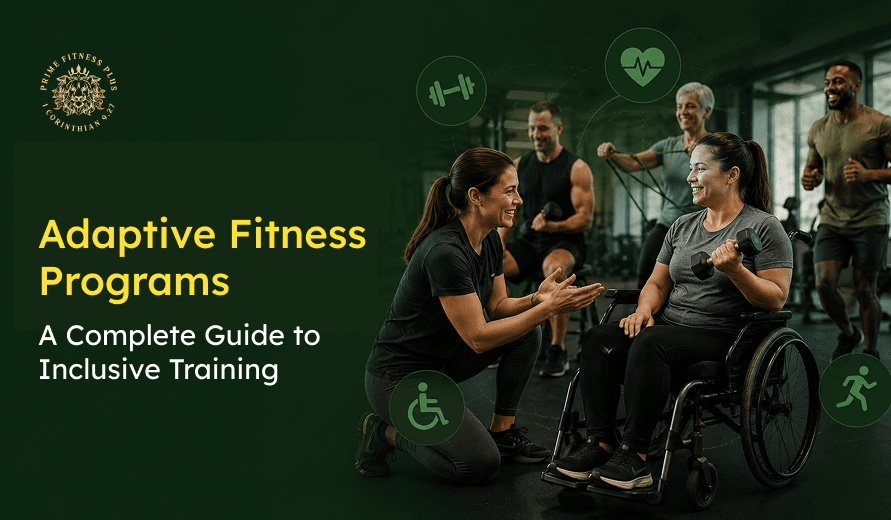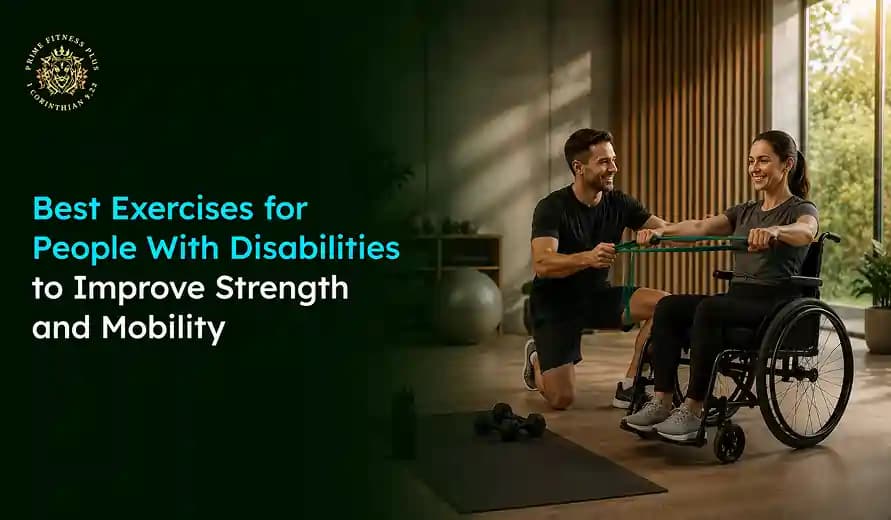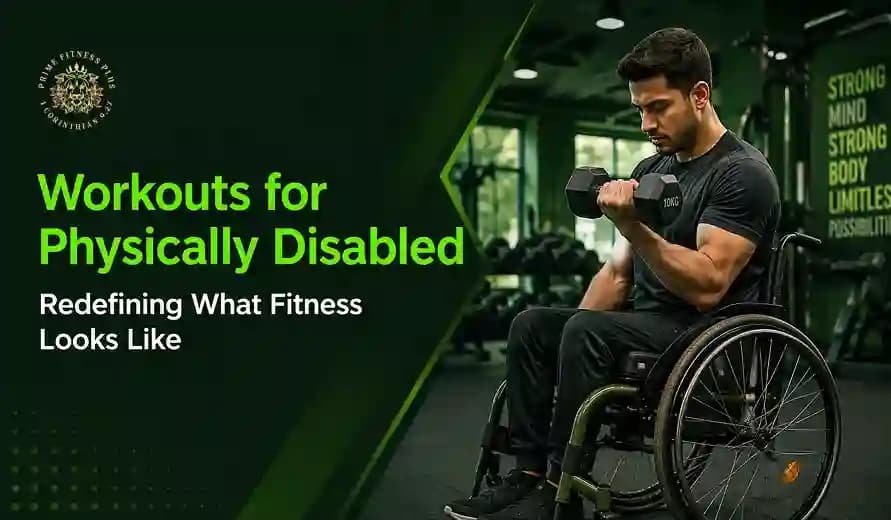
Fitness does not have a single definition. Every person has different abilities, goals, and ways of staying active. Workouts for physically disabled individuals show that movement is about improving health, building confidence, and supporting daily life rather than meeting a fixed standard. Whether someone uses a wheelchair, has limited mobility, lives with a limb difference, or is recovering from an injury, regular physical activity can be part of a healthy routine.
Many people think exercise is only for those who can run, lift heavy weights, or spend hours in a gym. That view leaves out millions of people living with physical disabilities. The truth is that movement can be adapted to suit different abilities, making fitness more inclusive for everyone. With the right approach, people can improve strength, flexibility, balance, and heart health while enjoying activities that suit their needs.
Today, more fitness centres, community groups, and adaptive trainers are making exercise accessible to everyone. Many home-based routines require little or no equipment. The goal is not to compare one person with another but to make steady progress safely and comfortably.
Why Fitness Should Be Different for Every Individual
No two disabilities are exactly alike. Even people with the same medical condition may have varying levels of mobility, strength, and endurance. Therefore, exercise plans should focus on what a person can do rather than what they cannot.
Some individuals may prefer chair-based exercises, while others enjoy resistance-band workouts or swimming. Some may need support from a caregiver or fitness professional, while others can exercise independently. The key is to choose activities that feel safe, enjoyable, and suitable for personal goals.
A flexible approach also helps people stay consistent. Instead of following a routine that feels difficult or uncomfortable, they can choose movements that suit their abilities and make exercise part of everyday life.
Benefits of Workouts for Physically Disabled Individuals
Regular physical activity supports many aspects of health. Small improvements over time often lead to better mobility, greater independence, and improved quality of life.
Builds Muscle Strength
Strong muscles make everyday tasks easier. Activities such as transferring from a wheelchair, carrying groceries, or reaching for household items often require upper-body and core strength. Gentle resistance training can support these movements.
Supports Heart Health
Cardiovascular exercise is not limited to walking or running. Chair-based cardio, wheelchair rolling, hand cycling, and water-based activities can improve circulation and support heart function. Regular movement may also help manage blood pressure and support overall wellness.
Improves Flexibility
Stretching exercises keep muscles and joints moving comfortably. Improved flexibility may reduce stiffness, improve posture, and make everyday movements feel smoother. This is especially helpful for people who spend long periods sitting.
Helps With Balance and Coordination
Many disabilities affect balance or body control. Exercises that focus on stability, controlled movement, and posture can improve coordination over time. Better balance may also reduce the risk of falls during daily activities.
Supports Mental Well-Being
Physical activity does more than strengthen the body. It can also improve mood, reduce stress, and foster a sense of achievement. Many people find that regular exercise boosts their confidence and positivity about their abilities.
Encourages Greater Independence
Simple improvements in strength and mobility can make everyday life easier. Tasks such as getting dressed, preparing meals, or moving around the home may become more manageable with regular physical activity.
Safety Tips Before Starting a Workout Routine
Starting slowly is one of the best ways to build a long-term exercise habit. People with physical disabilities may have different medical needs, so it is important to take a few safety steps before starting a new routine.
Speak With a Healthcare Professional
A doctor, physical therapist, or rehabilitation specialist can provide guidance based on a person's medical condition. They may suggest exercises to focus on and movements to avoid.
Warm Up Before Every Session
A proper warm-up prepares the muscles and joints for activity. Gentle arm circles, shoulder rolls, slow stretching, or easy chair-based movements can help the body get ready for exercise.
Listen to Your Body
Some muscle fatigue is normal during exercise, but sharp pain is not. If an activity causes discomfort, dizziness, or unusual pain, stop it immediately. Rest when needed and adjust the workout as necessary.
Stay Hydrated
Water plays an important role during physical activity. Drinking enough fluids before, during, and after exercise helps the body perform comfortably and safely.
Wear Comfortable Clothing
Loose-fitting clothing and supportive footwear, when needed, allow easier movement. For wheelchair users, clothing that reduces friction can also improve comfort during longer workouts.
Use Proper Equipment
Resistance bands, lightweight dumbbells, stability balls, or wheelchair-friendly exercise tools should be in good condition and used properly. Equipment should match the individual's strength and mobility levels.
Choosing the Right Workout
The best workout is one that suits personal abilities, health needs, and interests. There is no single routine that suits everyone.
Before choosing an exercise plan, consider factors such as current fitness level, range of motion, medical advice, available equipment, and personal goals. Some people aim to build strength, while others focus on flexibility, endurance, or staying active throughout the week.
Exercises for people with disabilities are available in many forms, from seated strength training and stretching routines to swimming, wheelchair sports, yoga, and resistance-band exercises. Trying different activities can help people find what they enjoy most.
Those new to fitness should start with short sessions of about 10 to 15 minutes. As comfort and strength improve, workout duration and intensity can gradually increase. Little, steady progress is often more valuable than trying to do too much at once.
Another helpful option is to work with trainers who specialise in Adaptive Fitness. These professionals understand diverse mobility needs and can recommend safe movements tailored to individual abilities. They can also suggest modifications to traditional exercises so that more people can participate with confidence.
Most importantly, fitness should feel welcoming rather than stressful. Progress is measured by personal improvement, not by comparing results with others. Every completed workout is another step towards better health, greater confidence, and a more active lifestyle.
Best Workouts for Physically Disabled Individuals
The right workout depends on a person's mobility, medical condition, and fitness goals. Many activities can be adapted to suit different abilities while still delivering meaningful physical and mental health benefits. The key is to focus on safe movement and steady progress.
Chair-Based Strength Training
Chair workouts are a great option for people with limited mobility or wheelchair users. These exercises help strengthen the arms, shoulders, chest, back, and core without requiring standing.
Examples include:
- Seated shoulder presses
- Bicep curls with light dumbbells
- Resistance band rows
- Seated chest presses
- Overhead arm raises
Starting with light resistance and controlled movements helps reduce the risk of strain.
Resistance Band Exercises
Resistance bands are affordable, portable, and suitable for a wide range of ability levels. They provide gentle resistance that helps strengthen muscles while supporting joint movement.
Popular exercises include:
- Band pull-aparts
- Seated rows
- Leg extensions
- Chest presses
- Shoulder external rotations
Resistance bands are commonly used in Exercise Programs for People with Disabilities because they allow movements to be adjusted according to strength and mobility.
Wheelchair Cardio
Cardiovascular exercise is important for heart health and endurance. Wheelchair users have several options to keep the body moving.
Examples include:
- Wheelchair rolling at a comfortable pace
- Wheelchair sports
- Arm cycling machines
- Shadow boxing while seated
- Seated aerobic routines
Regular cardio sessions can also help improve stamina for everyday activities.
Stretching and Flexibility Exercises
Stretching keeps muscles flexible and joints moving easily. It may also reduce muscle tightness that develops after prolonged periods of sitting.
Simple stretches include:
- Neck stretches
- Shoulder stretches
- Wrist circles
- Hamstring stretches
- Calf stretches using a towel
- Side body stretches
Hold each stretch gently without bouncing, and stop if pain arises.
Water-Based Exercise
Swimming and water-based workouts reduce pressure on joints while allowing people to move more freely. The natural buoyancy of water makes many movements easier than on land.
Benefits include:
- Better joint mobility
- Improved muscle strength
- Increased endurance
- Reduced impact on the body
Many community pools also offer adaptive aquatic fitness classes.
Yoga and Gentle Movement
Yoga can be adapted to different mobility levels. Chair yoga and supported yoga use simple poses that focus on flexibility, breathing, and body awareness.
Benefits include:
- Better posture
- Greater flexibility
- Improved balance
- Stress relief
- Better body control
Many instructors offer classes specifically designed for individuals with disabilities.
Sample Weekly Workout Plan
This sample routine can be adjusted based on individual ability and medical guidance.
Monday
- Chair strength training (20–30 minutes)
- Gentle stretching
Tuesday
- Wheelchair cardio or seated aerobic exercises (20 minutes)
Wednesday
- Rest or light stretching
Thursday
- Resistance band workout
- Core exercises while seated
Friday
- Chair yoga or flexibility exercises
Saturday
- Swimming or another enjoyable physical activity
Sunday
- Rest, breathing exercises, or light stretching
Consistency matters more than long workout sessions. Even brief periods of movement several days a week can make a meaningful difference.
Common Mistakes to Avoid
People often get excited when starting a new fitness routine, but avoiding common mistakes helps keep workouts safe and enjoyable.
Doing Too Much Too Soon
Trying long or difficult workouts immediately may cause soreness or injury. Start with manageable sessions and gradually increase activity over time.
Skipping Warm-Ups
Cold muscles are more likely to strain. Spending a few minutes preparing the body before exercise is always worthwhile.
Ignoring Pain
Exercise should not cause sharp or persistent pain. If discomfort persists, stop the activity and consult a healthcare professional.
Comparing Yourself With Others
Every person's abilities are different. Progress should be measured by personal improvement rather than by someone else's performance.
Forgetting Recovery Time
Rest allows muscles to recover. Including recovery days helps reduce fatigue and supports long-term progress.
Building a Long-Term Fitness Habit
Creating a routine is often easier when exercise fits naturally into daily life. Setting realistic goals, tracking progress, and celebrating small achievements help sustain motivation.
Many people also enjoy exercising with family, friends, support groups, or adaptive fitness communities. Encouragement from others often makes workouts more enjoyable.
Technology can also support consistency. Fitness apps, wearable activity trackers, and online adaptive exercise classes offer people more options to stay active at home or while travelling.
Remember that every workout need not be perfect. Missing a day is normal. Returning to the routine the next day matters most.
Final Words
Workouts for Physically Disabled remind us that fitness is not measured by speed, heavy lifting, or complex exercises. It is about moving in ways that support health, independence, and confidence.
Every person deserves access to physical activity that respects their abilities and personal goals. Whether the routine includes chair exercises, swimming, stretching, resistance bands, or Inclusive Fitness Programs, regular movement can support physical and mental well-being.
Starting with simple exercises, following safe practices, and staying consistent can lead to meaningful improvements over time. Fitness is for everyone, and every step towards a more active lifestyle is worth celebrating.